
NAIROBI, Kenya – What began as a move to protect Iranian civilians and what the United States described as “foreign interests” from Iranian security forces—who allegedly killed between 3,000 and 30,000 civilians within the first 48 hours of nationwide demonstrations in January 2026—evolved into an unexpected 108-day war that brought much of the world to a standstill.
[spacer height=”20px”]
From exchanges of warnings and threats to the deployment of military firepower and armed drones, and ultimately to a ceasefire and mediation efforts, the conflict defined modern-day warfare, diplomacy, and conflict resolution. The war began on February 28, 2026, when the United States and Israel launched a joint military campaign against Iran, codenamed Operation Epic Fury.
[spacer height=”20px”]
More than 12 countries were affected by the regional conflict involving Iran, the United States, and Israel. The widespread violence and retaliatory strikes resulted in a death toll exceeding 5,000 people, including Iran’s Supreme Leader and members of his family, while tens of thousands more were injured.
[spacer height=”20px”]
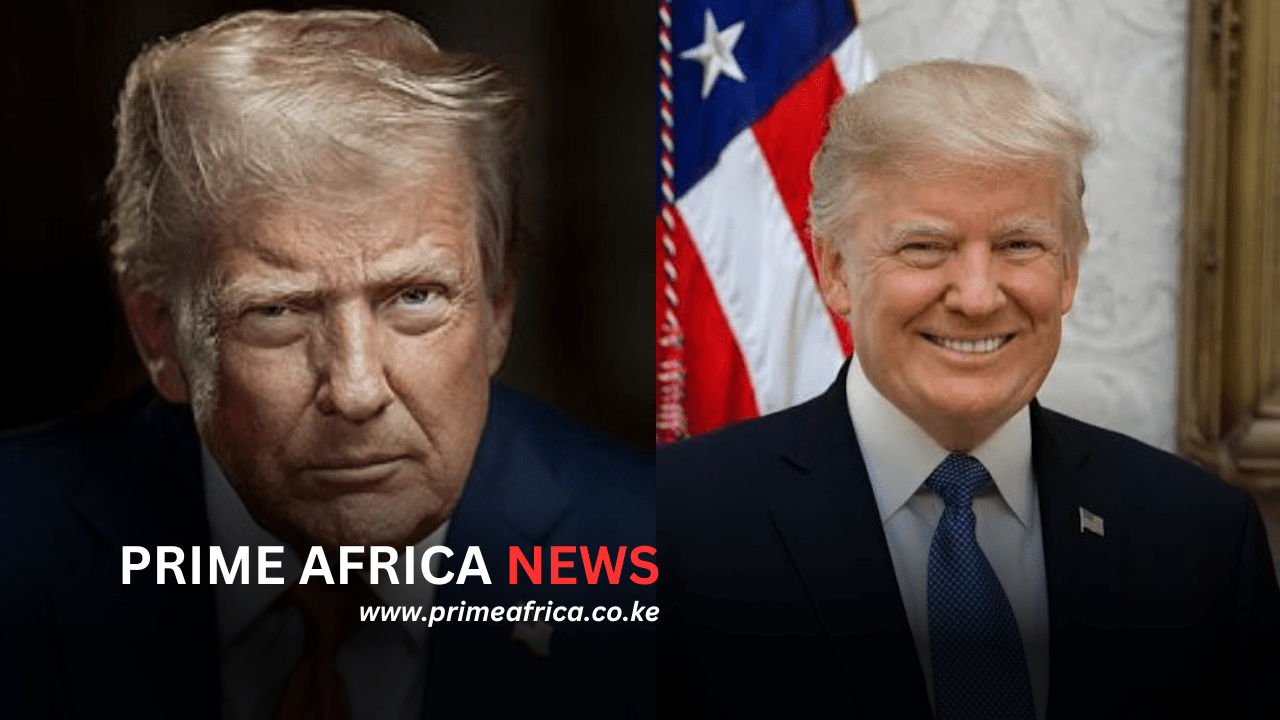
President Donald Trump’s handling of the U.S.-Iran conflict—which culminated in a tentative peace memorandum aimed at ending the nearly four-month confrontation—demonstrated a combination of unpredictability, strategic calculation, crisis management, and a renewed push for peace.
[spacer height=”20px”]
Trump’s management of the conflict and the subsequent preliminary peace agreement of 2026 offer important lessons in leadership, crisis response, military strategy, and diplomacy. Analysts, military strategists, and foreign policy experts at Prime Africa identify five key leadership lessons from President Donald Trump:
[spacer height=”20px”]
1. Peace Ultimately Prevails
Perhaps the most important lesson is that peace remains the most sustainable outcome of any conflict. Despite the deployment of military resources and escalating tensions, Trump eventually acknowledged that peaceful negotiations were more effective than military might in achieving a lasting diplomatic solution. The path toward dialogue and negotiation ultimately became the preferred avenue for resolving the dispute, the conflict underscored the reality that sustainable peace can only be secured through dialogue and mutual understanding.
[spacer height=”20px”]
2. Resilience and Strategic Optimism
Major international crises rarely follow a predictable path. Throughout the conflict, diplomatic efforts encountered numerous challenges and periods of uncertainty. Yet continued engagement by all parties kept the possibility of a negotiated settlement alive. Trump departed from conventional diplomatic approaches, viewing many traditional methods as contributors to prolonged stalemates in historical conflicts. Instead, he pursued a transactional style of peace negotiation that allowed both parties to present their concerns and secure guarantees in exchange for long-term peace commitments.
[spacer height=”20px”]
3. Courage and Patriotism
The conflict underscored the significance of decisive leadership during periods of instability. Leaders are often required to make difficult choices under immense pressure while balancing domestic expectations, security concerns, and international obligations. Trump demonstrated significant political courage by challenging decades of diplomatic deadlock and projecting American influence decisively during a period of heightened global uncertainty. Supporters argue that his willingness to make difficult decisions reflected a strong commitment to protecting national interests.
[spacer height=”20px”]
4. Prioritizing Concrete Outcomes
Another notable lesson was the focus on tangible results. In complex geopolitical disputes, prolonged negotiations can sometimes delay meaningful progress. His approach emphasized achieving rapid, measurable results—such as reopening strategic shipping routes, reducing regional instability, and ending blockades—rather than becoming entangled in prolonged preliminary negotiations. The lesson is that effective leadership often requires balancing process with practical outcomes.
[spacer height=”20px”]
5. Inclusive Diplomatic Engagement and Breaking Bureaucratic Inertia
The conflict also demonstrated the value of engaging multiple stakeholders in peace efforts. Modern diplomacy increasingly requires the involvement of regional partners, international mediators, and strategic allies. One lesson from the conflict is that strong political will and fast-paced mediation can help unlock stalled negotiations. By utilizing unconventional diplomatic channels and special envoys, an administration can accelerate dialogue and bring adversarial parties to the negotiating table more quickly.
[spacer height=”20px”]
The U.S.-Iran 108-day war will likely be remembered not only for its military dimension but also for the diplomatic efforts that eventually brought both sides toward a negotiated settlement. Whether praised or criticized, President Donald Trump’s role in the conflict offers valuable lessons on leadership under pressure, the limits of military power, and the enduring importance of peace as the ultimate objective of international relations.
[spacer height=”20px”]
About The Author