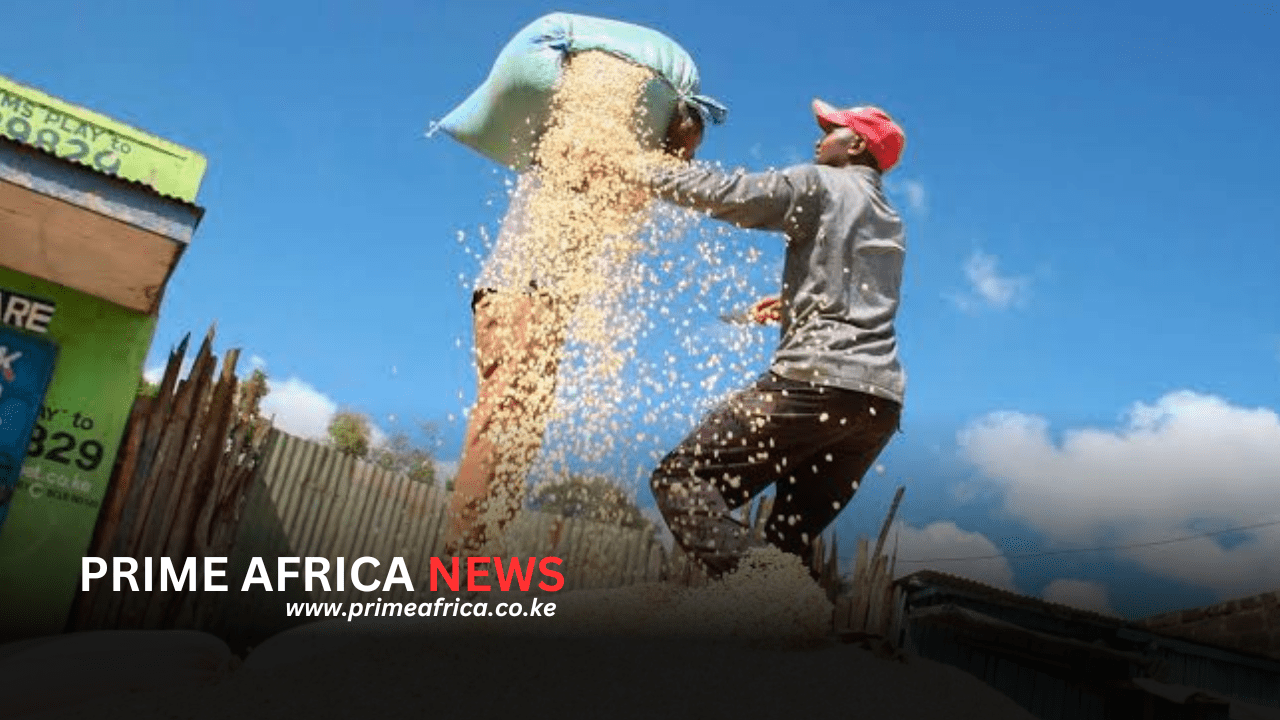

NAIROBI – Kenyan Agriculture CS Mutahi Kagwe is considering a proposal to allow duty-free importation of three million metric tonnes of white maize as Kenya battles its lowest maize production in seven years. The move is aimed at preventing a supply crunch and containing further increases in the price of unga.
The Cereal Millers Association (CMA) has asked the Government to gazette the duty-free import window for nine months, saying millers need adequate time to secure supplies, arrange financing and transport grain into the country.
CMA Chief Executive Officer Paloma Fernandes warned that maize production has fallen sharply, with only six major producing counties expected to deliver more than one million bags this season.
“We cannot afford not to have maize,” CS Kagwe said.
The Government is also pushing for the gazettement of 360,000 metric tonnes of yellow maize specifically for animal-feed manufacturers.
The intervention is expected to shift feed producers away from white maize, freeing more food-grade maize for human consumption and easing pressure on unga prices.
Zambia and Tanzania have emerged as potential sources, although high transport costs and possible export restrictions remain concerns. Kagwe has called for negotiations with Zambia to reduce the cost of maize and make imports more competitive.
The CS has warned importers against bringing in maize that fails Kenya’s food safety requirements, particularly moisture and aflatoxin standards.
He has also called for faster laboratory testing and streamlined border clearance, saying delays of several days increase transport, storage and financing costs that are eventually passed on to consumers.
Meanwhile, the Government is working to rebuild strategic grain reserves, with the National Cereals and Produce Board reporting storage capacity equivalent to about two million 90-kilogramme bags.
Millers have also asked the Government to clear about KSh4 billion they say remains outstanding from a previous subsidy programme.
With maize production falling and pressure building across the food market, the Government is now weighing a twin strategy: increase yellow maize supplies for animal feeds while opening the door to duty-free white maize imports to protect unga supplies and prices.
About The Author