
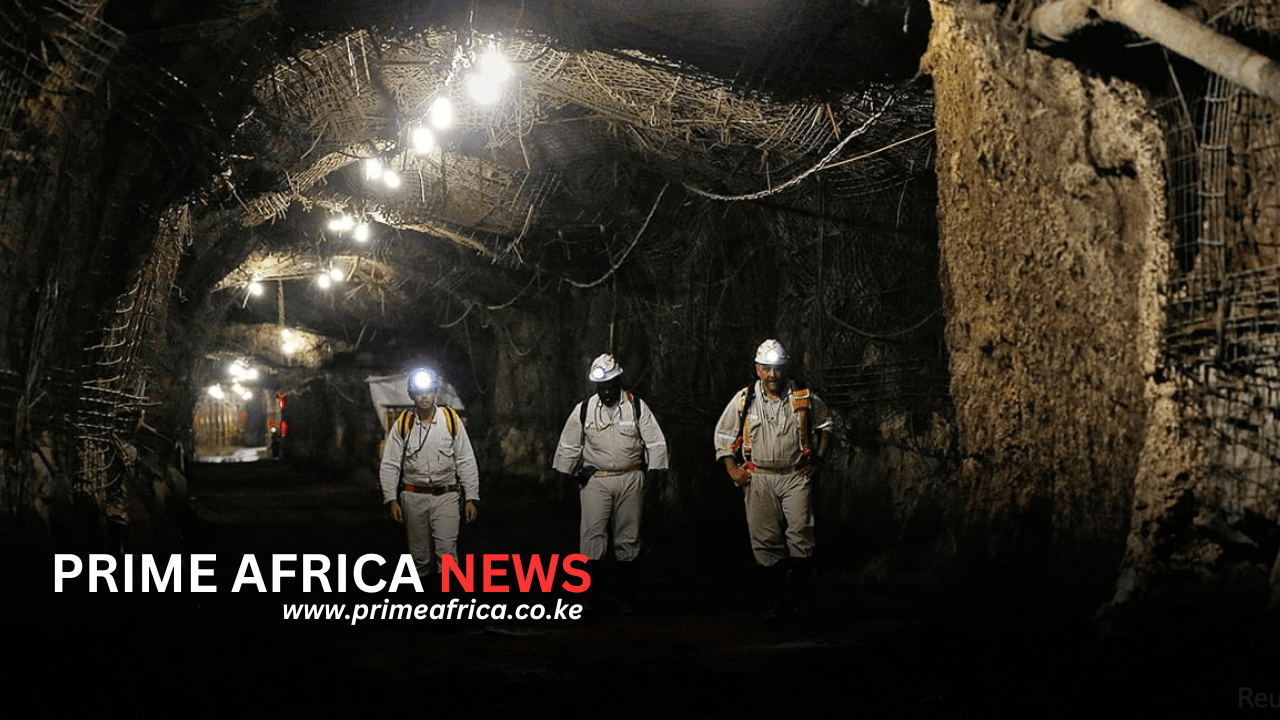

Nairobi, Kenya – Two multi-billion-dollar rail projects are quietly reshaping the future of Africa’s mineral wealth. One heads west to the Atlantic Ocean backed by the United States and Europe. The other stretches east to the Indian Ocean with strong Chinese support. At stake are vast reserves of copper, cobalt and other critical minerals needed to power the global energy transition.
The Lobito Rail Corridor, estimated to cost up to $6 billion, is expected to be completed by 2030. The 1,700-kilometre line will transport copper and cobalt from the Democratic Republic of Congo (DRC) and Zambia to Angola’s Atlantic port of Lobito. Western funding aims to upgrade existing rail and expand annual capacity to 4.6 million metric tons.
On the eastern side, China-backed rehabilitation of the 1,860-kilometre TAZARA railway will link Zambia and the DRC to Tanzania’s Indian Ocean port. With an investment of about $1.4 billion, the line’s capacity is set to increase to 2.4 million tons annually, offering shorter shipping times to China and Asian markets.
These projects symbolize intensifying competition between global powers to secure supply chains for the minerals driving industrial economies and renewable energy technologies.
Africa in the Middle – But With More Leverage
Unlike during the colonial era, African nations today have greater agency. Governments can choose partners, negotiate better terms and demand local value addition, jobs and infrastructure development.
However, success will depend on governance, coordination and policy consistency — areas where many African countries still face challenges.
Western countries tend to favour private operators backed by public financing and risk guarantees. China, on the other hand, often deploys a more integrated model where its firms explore, build, finance, operate and transport minerals under one umbrella.
U.S. Shifts Strategy on Critical Minerals
At this week’s Mining Indaba in Cape Town, the United States signaled a shift from combative rhetoric to investment diplomacy. U.S. officials focused on trade partnerships, guaranteeing mineral offtake agreements and de-risking mining projects to attract investors.
The proposed U.S. strategic “vault” of critical minerals signals serious intent. Meetings involving more than 50 countries suggest Washington is eager to secure stable African supply chains.
But whether this effort will meaningfully compete with China’s long-standing footprint remains an open question.
Kenya’s Rare Earth Potential: Mrima Hill in Focus
As global demand for critical minerals rises, Kenya is emerging as a potential strategic player.
The discovery of rare earth minerals at Mrima Hill in Kwale County placed Kenya on the global map of future-facing minerals. Rare earth elements are crucial for electric vehicles, wind turbines, defence technologies and advanced electronics.
However, the project has been stalled for years due to licensing disputes and regulatory hurdles.
Local leaders in Kwale have repeatedly intervened, demanding transparency, environmental safeguards and guarantees that communities benefit directly from any mining activity. They have pushed for clarity on revenue sharing, land rights and environmental protections before full-scale extraction begins.
The debate around Mrima Hill reflects a broader national question: How can Kenya attract investment while ensuring local communities are not sidelined?
Investor Frustration Over License Reapplication
Kenya’s mining sector has faced mounting frustration from investors following the government’s directive requiring companies to reapply for mining licenses under revised regulatory frameworks.
While authorities argue the move aims to clean up the sector and ensure compliance, investors say the prolonged uncertainty has delayed projects, increased costs and eroded confidence.
Some firms have reported multi-year delays in approvals, unclear timelines and shifting requirements. Industry stakeholders warn that inconsistent policy signals risk pushing capital toward competing African jurisdictions with more predictable regulatory environments.
The rare earth potential at Mrima Hill is one example of opportunity constrained by policy uncertainty.
The Bigger Question for Africa
Across the continent, investment in rail, ports and mines is accelerating. Competition between Western nations and China may ultimately benefit African states by driving better terms and infrastructure development.
But the outcome will depend on whether African governments can negotiate strategically, strengthen institutions and ensure value addition happens locally rather than exporting raw minerals with limited downstream benefit.
For Kenya, the lesson is clear: the world wants Africa’s minerals. The question is whether Kenya can create a stable, transparent and competitive environment that turns mineral wealth into long-term national prosperity.
About The Author

