
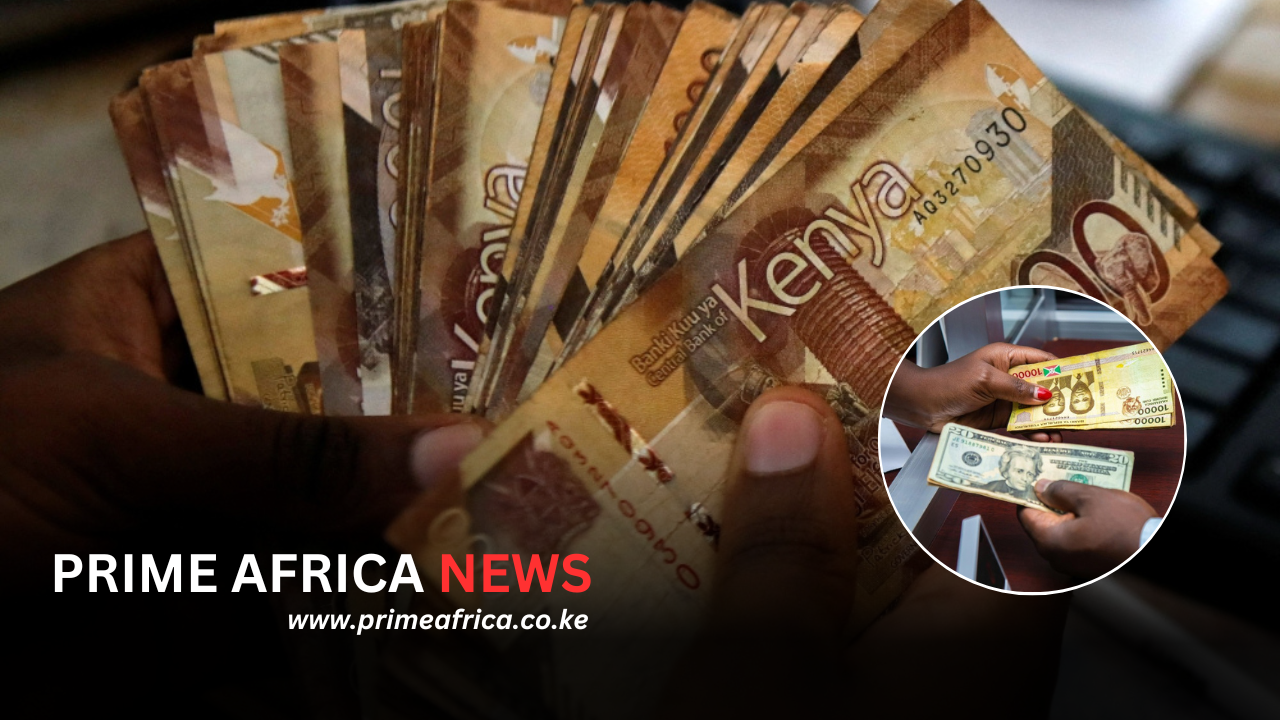

Africa’s longstanding dream of reducing its dependence on the U.S. dollar for trade is becoming a reality, thanks to homegrown financial systems like the Pan-African Payments and Settlement System (PAPSS), which are now operational across multiple countries. The shift promises to cut trade costs drastically and boost intra-African commerce, long hampered by a dollar-dominated financial infrastructure.
Launched in January 2022, PAPSS allows businesses in different African countries to transact in their local currencies, eliminating the need to convert to U.S. dollars. This innovation is already in operation in 15 countries—including Kenya, Zambia, Tunisia, and Malawi—and has enrolled 150 commercial banks, according to PAPSS CEO Mike Ogbalu.
“Our goal, contrary to what people might think, is not de-dollarisation,” Ogbalu clarified. “African economies simply struggle with availability of global currencies to settle transactions. We are providing a solution to that problem.”
Traditionally, even payments between neighboring African nations would be routed through overseas correspondent banks, incurring high fees and long delays. The United Nations Conference on Trade and Development estimates that trade in Africa is 50% more expensive than the global average—largely due to this outdated system.
A recent report by Mauritius-based MCB Group revealed that 84% of Africa’s trade is with external partners. Homegrown systems like PAPSS are designed to reverse that trend. The benefits are significant: PAPSS estimates that a $200 million intra-African transaction could cost between 10% to 30% of its value using the traditional system. Using local currencies, that figure could fall to just 1%.
That could translate into annual savings of up to $5 billion in hard currency, Ogbalu told Reuters.
Global Shifts, Local Solutions
The movement toward local currency systems in Africa mirrors similar efforts in countries like China and Russia, who are pursuing financial systems less reliant on Western institutions. While geopolitical tensions and sanctions have accelerated their push, African advocates are emphasizing the practical benefits—chiefly cost reduction and financial sovereignty.
“A hard-currency loan imposes a burden that makes it difficult for [African businesses] to succeed,” said Ethiopis Tafara, Vice-President for Africa at the International Finance Corporation (IFC), which has begun issuing loans in local currencies to reduce currency risk for African enterprises.
Syracuse University finance professor Daniel McDowell agrees that the existing dollar-based system has become less effective for African nations. “It’s costlier, and it no longer serves the continent’s growing economic integration.”
Trump’s Tariff Threats and Political Undercurrents
The resurgence of Donald Trump to the U.S. presidency has introduced a volatile element to the global financial landscape. Trump has made it clear that he views any move away from the dollar—whether by BRICS nations or otherwise—as a threat to U.S. dominance.
“There is no chance that BRICS will replace the U.S. Dollar in international trade,” Trump wrote in January on Truth Social. “Any country that tries should say hello to tariffs, and goodbye to America!”
South Africa, currently chairing the G20, is using its platform to push for regional financial reforms. “Some of the most expensive corridors for cross-border payments are actually found on the African continent,” South African Reserve Bank Governor Lesetja Kganyago noted during a G20 meeting in Cape Town. “For us to function as a continent, it’s important that we start trading and settling in our own currencies.”
Yet, observers caution that even Africa’s practical, non-political motives may still be interpreted through a geopolitical lens.
“Africa will struggle to distance itself from more politically motivated de-dollarisation efforts,” McDowell warned. “The perception is likely to be that this is about geopolitics.”
Looking Ahead
Despite global headwinds and political sensitivities, Africa’s push toward localized trade systems is gaining traction. With the July G20 finance ministers’ meeting on the horizon, African leaders are hoping for concrete international support for their efforts to reshape the continent’s financial landscape.
For now, systems like PAPSS signal a pragmatic and homegrown solution to a longstanding problem—positioning Africa not just to trade more efficiently, but to assert greater economic independence in an increasingly fragmented world.
About The Author

