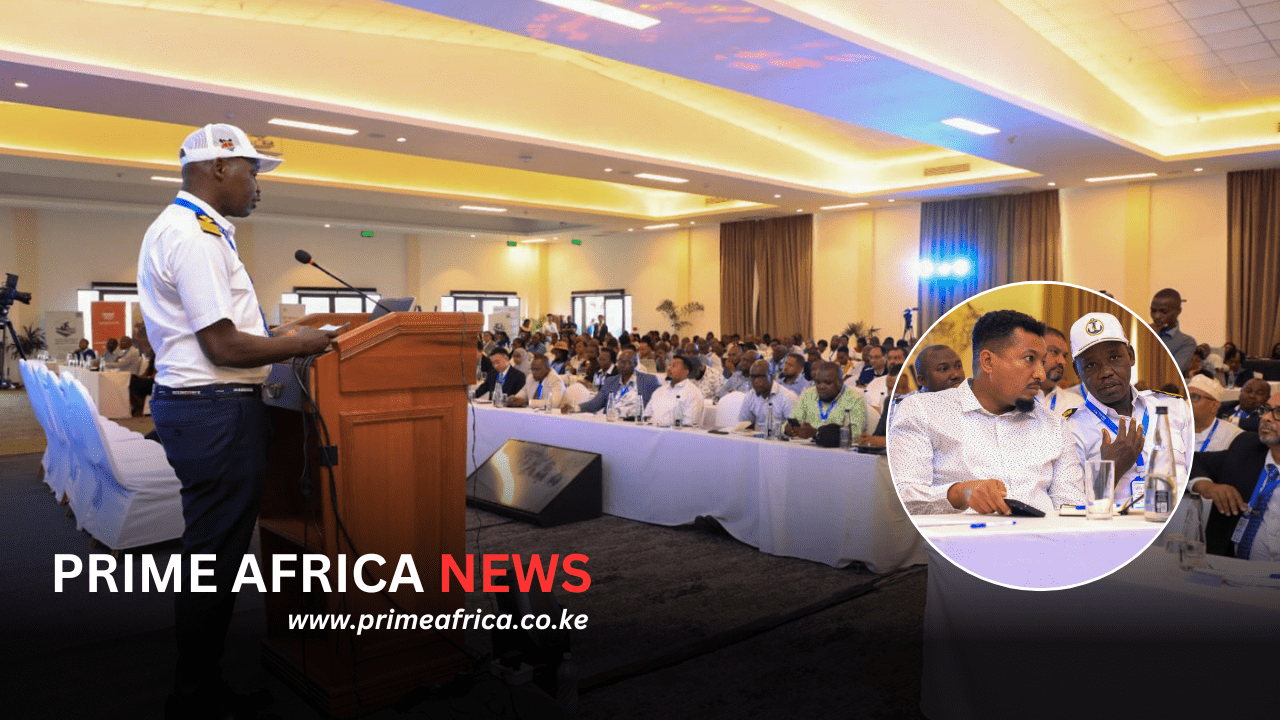

MOMBASA, Kenya — Kenya Ports Authority (KPA) Managing Director Captain William Ruto has lauded the launch of the inaugural International Trade and Logistics Summit (ITLS) in Mombasa, describing it as a timely platform to shape the future of trade and logistics across the East African region.
The summit, convened by the Kenya National Chamber of Commerce and Industry (KNCCI) and the Kenya International Freight and Warehousing Association (KIFWA), brought together key stakeholders, government representatives, and industry players to deliberate on ways to enhance regional trade efficiency and competitiveness.
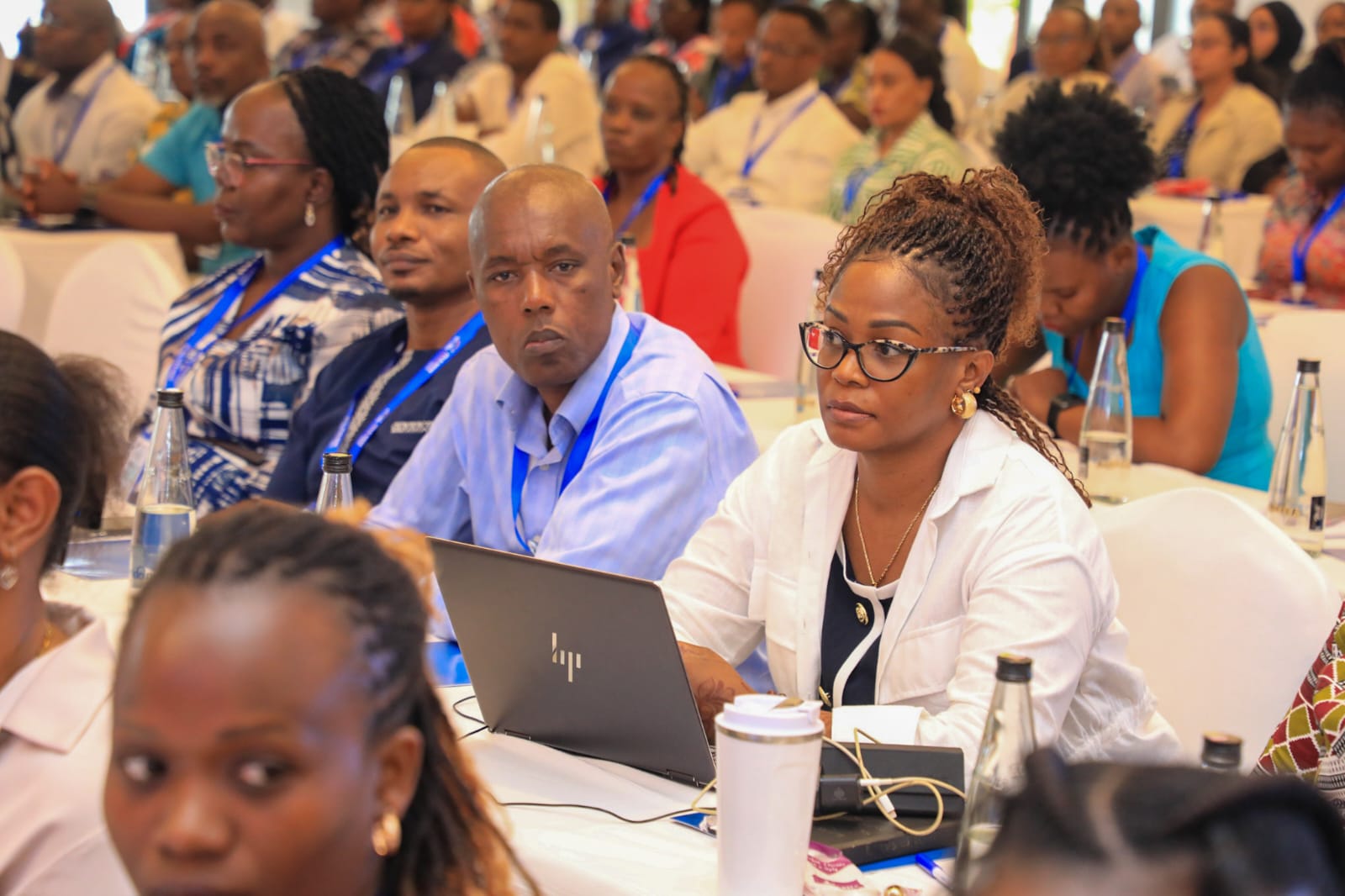
Captain Ruto commended the organizers for hosting the event in Mombasa — a city that is home to one of Africa’s busiest and most strategic seaports — noting that the gathering comes at a pivotal moment when the global logistics landscape is undergoing rapid technological transformation.
“It is crucial for the continent to embrace these changes so that we can lead the way in transforming the industry,” said Ruto.
He emphasized that trade and logistics form the backbone of global commerce — connecting producers to consumers and enabling nations to access essential goods and services. In the African context, and particularly within the East African region, these sectors are vital economic enablers for sustainable growth and transformation.
As the continent moves to fully implement the African Continental Free Trade Area (AfCFTA), Ruto underscored the need for seamless, integrated, and resilient supply chains, stressing that for hinterland countries, access to efficient ports and transport corridors remains essential for unlocking trade potential and promoting inclusive growth.
He noted that efficient logistics systems, supported by intermodal and multimodal transport networks, are key to reducing the cost of doing business and enhancing regional competitiveness.
“Efficient logistics also attract both local and foreign investment,” he added. “Investors prioritize strong supply chain infrastructure that supports industrial development and helps economies move up the value chain.”
With the East African Community (EAC) boasting a combined market of over 220 million people, Ruto said the significance of logistics continues to grow in tandem with efforts to deepen regional and continental integration through the EAC Common Market and the AfCFTA.
However, he acknowledged that the sector faces emerging global challenges — from supply chain disruptions and escalating fuel costs to climate change and geopolitical uncertainties — all of which demand innovation and adaptability.
Ruto emphasized the importance of adopting cutting-edge technologies such as artificial intelligence, big data analytics, and automation, which he said are redefining service delivery and operational efficiency in the logistics industry.
“At the Kenya Ports Authority, we are proud to be at the forefront of this transformation. We sit at the very center of logistics, facilitating exporters and importers from across the globe,” he stated.
The KPA boss highlighted the Authority’s ongoing investments to modernize and expand both its hard and soft infrastructure. These include the construction of new cargo terminals and oil facilities, as well as greenfield projects like the Port of Lamu, Shimoni Fish Port, and the Dongo Kundu Special Economic Zones.
At the Port of Mombasa, which continues to record a steady rise in vessel traffic and cargo volumes, Ruto revealed that the Authority is currently constructing Berth 19B, with plans underway for Berths 23 and 24 to further expand container handling capacity.
On the equipment side, KPA has been matching infrastructure upgrades with investments in new machinery, including cranes, terminal tractors, and reach stackers to enhance operational efficiency.
From January to September 2025, the Port of Mombasa handled 32.86 million metric tons of total cargo throughput — a 9.6 percent increase from 29.97 million metric tons recorded in the same period last year. Container traffic also rose to 1.55 million TEUs, up from 1.46 million TEUs in 2024, representing a growth of 6.2 percent.
“These impressive numbers reflect our collective resolve to work closely with all stakeholders to further enhance efficiency and productivity,” said Ruto.
“We understand that our role goes beyond port operations. We are an integral part of the broader trade and logistics ecosystem, and we are committed to working with governments, agencies, private sector players, development partners, and regional bodies to build a more agile, sustainable, and inclusive trade environment.”
The inaugural ITLS marks a significant milestone in advancing East Africa’s logistics agenda, reinforcing Mombasa’s status as a pivotal gateway for regional and continental trade.
About The Author