
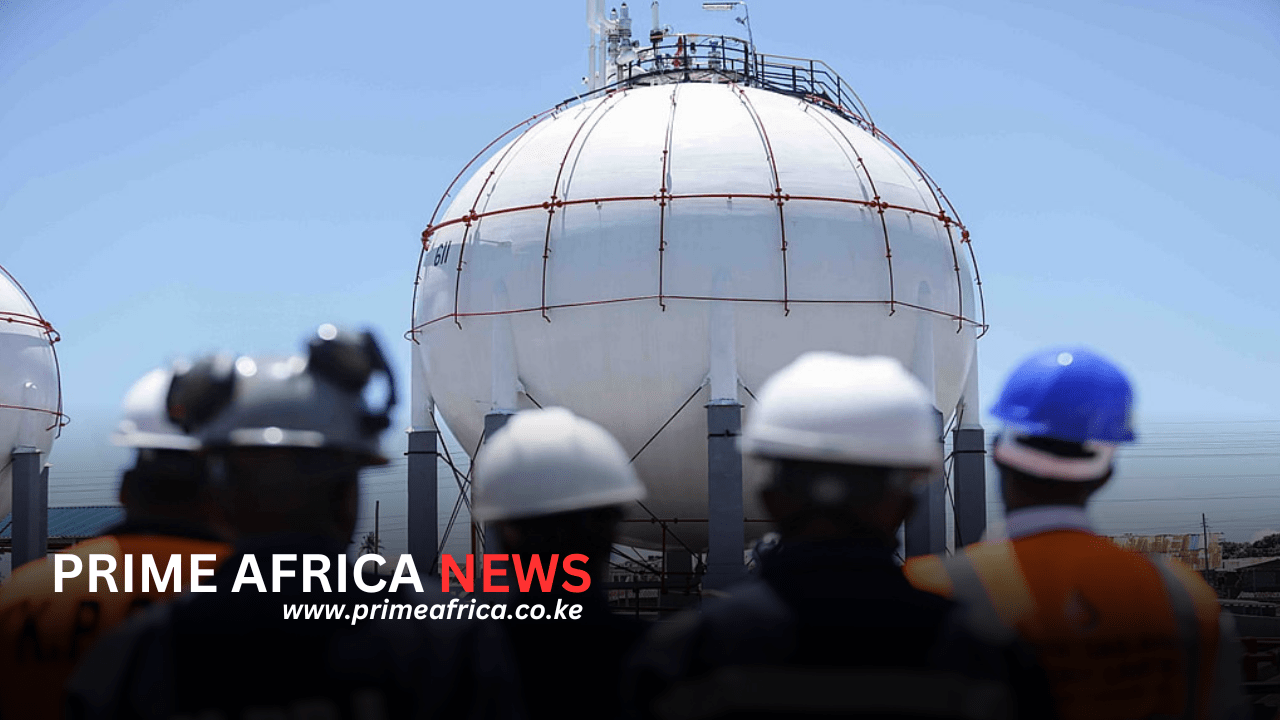

Malindi, Kenya — Kenya’s energy sector has received a significant boost after the Environment and Land Court in Malindi cleared the way for continued operations at the Lake Gas Vipingo Liquefied Petroleum Gas (LPG) terminal, a strategic facility credited with stabilising LPG supply and prices across the country.
In a judgment delivered on December 10, 2025, the court set aside earlier orders by the National Environment Tribunal (NET) that had revoked the terminal’s Environmental Impact Assessment (EIA) licence. The ruling allows the facility to continue operating, while directing the National Environment Management Authority (NEMA) to conduct a comprehensive environmental audit to confirm ongoing compliance.
The court held that although public participation is a constitutional cornerstone of environmental governance in Kenya, revoking an EIA licence issued in 2019 for a project that is already complete and operational was disproportionate and contrary to public interest. The judge noted that no scientific evidence had been presented to demonstrate that the terminal posed environmental harm, despite the scale of investment and the project’s national importance.
The dispute arose after an appeal was filed before the NET in February 2024 challenging the approval of the EIA licence granted to Lake Gas Limited. The Tribunal ruled that public participation during the licensing process was inadequate and ordered the cancellation of the licence. Lake Gas and its partners appealed the decision, arguing that the challenge had been filed more than five years after the licence was issued and long after construction had been completed.
In its determination, the court agreed that the appeal had been lodged outside statutory timelines and underscored the need for legal certainty, particularly for capital-intensive projects that support national development. It observed that investors must be protected from prolonged legal disputes once regulatory approvals have been granted and relied upon in good faith.
Rather than ordering a shutdown of the facility, the court directed NEMA to carry out an environmental audit within three months to assess whether the operations of the Vipingo terminal align with the original EIA study and to establish whether any unforeseen environmental impacts have emerged. The audit is also expected to recommend corrective measures where necessary.
The Vipingo LPG Terminal was commissioned in June 2025 and is fully licensed by the Energy and Petroleum Regulatory Authority (EPRA). The facility operates within a regulatory framework coordinated by the State Department of Petroleum, whose oversight and policy direction have been central to strengthening Kenya’s LPG infrastructure, improving market stability, and accelerating the transition to clean cooking energy.
Since becoming operational, the terminal has received four LPG vessels and established a reliable import cycle of about 10,000 metric tonnes every 10 to 15 days. Lake Gas says the terminal is key to its strategy of supplying up to 300,000 metric tonnes of LPG annually to the Kenyan market.
Industry analysts note that the entry of Lake Gas into Kenya’s LPG import and storage market has significantly enhanced supply security and expanded national and regional storage capacity. Increased competition has contributed to a drop in LPG prices of more than 30 per cent, making clean cooking fuel more affordable to households, small businesses, and industries.
In a statement following the ruling, Lake Gas welcomed the court’s decision, saying it guarantees uninterrupted operations and continued delivery of affordable, safe, and reliable LPG to customers across Kenya. The company also called for legal reforms to protect strategic national projects from attempts to block competition through prolonged litigation.
Lake Gas expressed appreciation to the Ministry of Energy and Petroleum, the State Department of Petroleum, the County Government of Kilifi, regulatory agencies, financial partners, community stakeholders, and customers for their support during what it described as a period of unwarranted negative publicity driven by competing interests.
The company reaffirmed its commitment to environmental stewardship, regulatory compliance, transparency in community engagement, and world-class operational safety as it continues to support Kenya’s clean energy transition.
The ruling is expected to have far-reaching implications for Kenya’s investment climate, signalling the judiciary’s preference for balanced and proportionate remedies in environmental disputes while safeguarding both public interest and sustainable development.
About The Author
