
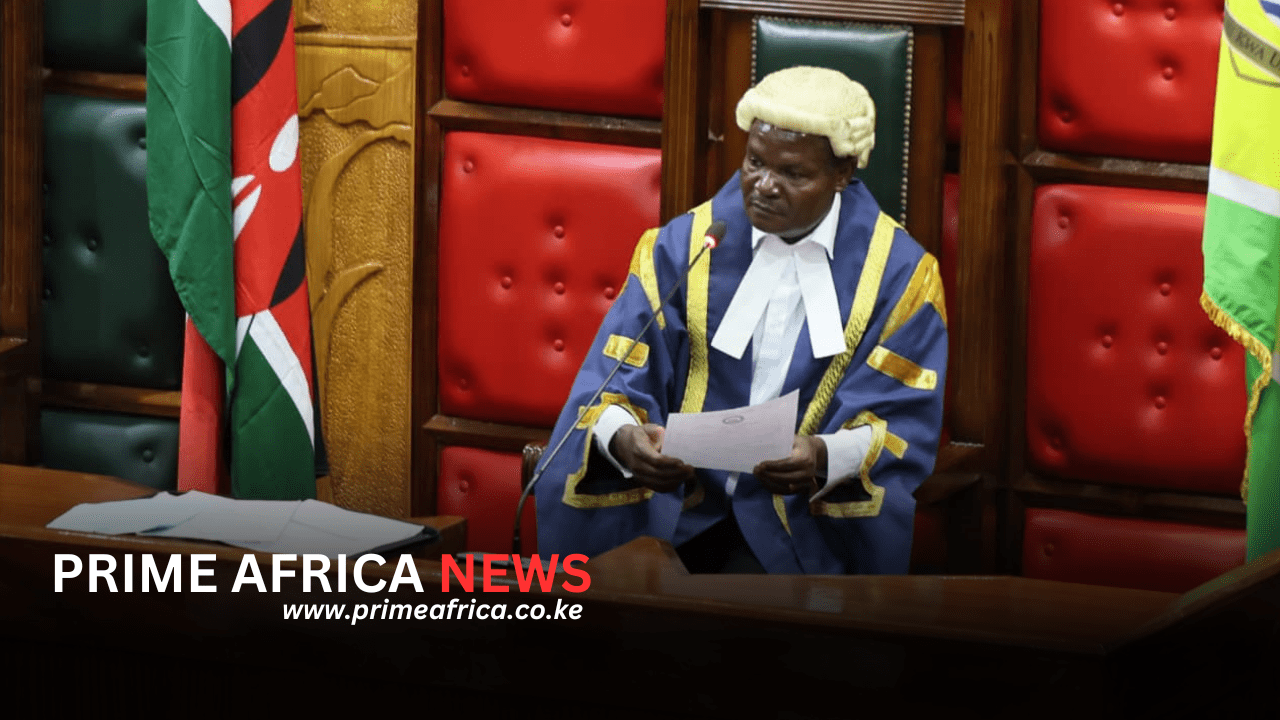

Nairobi City, Kenya -The Nairobi City County Assembly has approved the formation of a 21-member special committee that will spearhead public participation forums across all 85 wards in the capital regarding the proposed KSh80 billion cooperation framework between the national government and the Nairobi City County Government.
The committee, which will be chaired by Assembly Speaker Ken Ng’ondi, is expected to begin its work immediately and conclude consultations within 11 days—three days ahead of the 14-day deadline required for the framework to take effect. The expedited timeline reflects the urgency attached to the agreement, which is being described as one of the largest intergovernmental financing arrangements in Nairobi’s recent history.
The Nairobi County Assembly has approved a 21-member special committee to spearhead public participation across all 85 wards on the KSh80 billion cooperation framework between the national government and Nairobi City County Government.
According to documents tabled before the Assembly, the KSh80 billion allocation is earmarked for transformative infrastructure and service delivery projects aimed at addressing long-standing development gaps in the capital.
The breakdown includes:
-
KSh3.7 billion for modernization and expansion of street lighting infrastructure to enhance security and support a 24-hour economy.
-
KSh1.5 billion for the procurement and installation of electricity transformers to strengthen last-mile connectivity in underserved neighborhoods.
-
KSh5 billion for water treatment and supply improvements to tackle chronic water shortages.
-
KSh9 billion for the construction of a 27-kilometre sewer line along the northern corridor to expand sanitation coverage.
-
KSh4 billion for waste management reforms, including improved garbage collection systems and landfill management.
Additional sectors expected to benefit include road infrastructure upgrades, affordable housing development, and broader urban renewal initiatives.
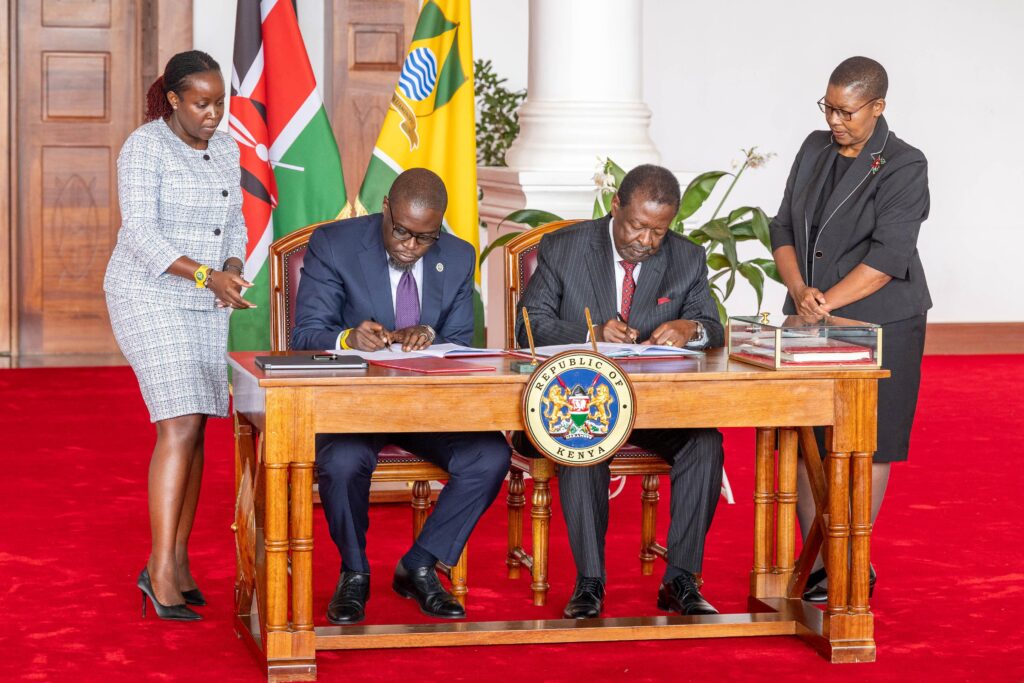
The investment is projected to significantly boost Nairobi’s economic competitiveness. As East Africa’s largest urban economy and a regional hub for business, diplomacy, and innovation, Nairobi has faced mounting pressure to modernize its infrastructure in line with rapid population growth and urban expansion.
Speaking to journalists, Ng’ondi said previous administrations had failed to fully implement constitutional provisions requiring collaboration between the national government and the capital city.
“We have been doing a disservice to the city of Nairobi. Sections 5 and 6 of the Urban Areas and Cities Act (amended 2019) clearly outline the classification criteria for cities and the process for establishing urban areas. It is mandatory for the national government and a capital city to work together,” he stated.
Ng’ondi emphasized that the agreement does not amount to a transfer of devolved functions to the national government. Instead, he described it as a structured development partnership designed to accelerate service delivery while maintaining the autonomy of the county government.
The move, however, faced resistance from a section of Members of the County Assembly (MCAs), including the Kileleshwa ward representative, who argued that the entire assembly should be involved in the process.
The dissenting MCAs urged colleagues to treat the matter as being in the voters’ interest rather than politically driven.
The approved committee will monitor cooperation between the county and national governments, focusing on critical projects such as:
-
Waste management
-
Road infrastructure
-
Street lighting
-
Housing construction
-
Water supply
Lawmakers emphasized that the framework represents development cooperation—not a transfer of county responsibilities to the national government.
With the proposal now adopted, the special committee is set to begin public engagement as Nairobi positions itself for a major infrastructure transformation.
About The Author

Bill Otieno
Bill Otieno is a Social Entrepreneur, Executive Director of InfoNile Communications Limited and a Journalist at Large. Email : bill.otieno@infonile.africa
