
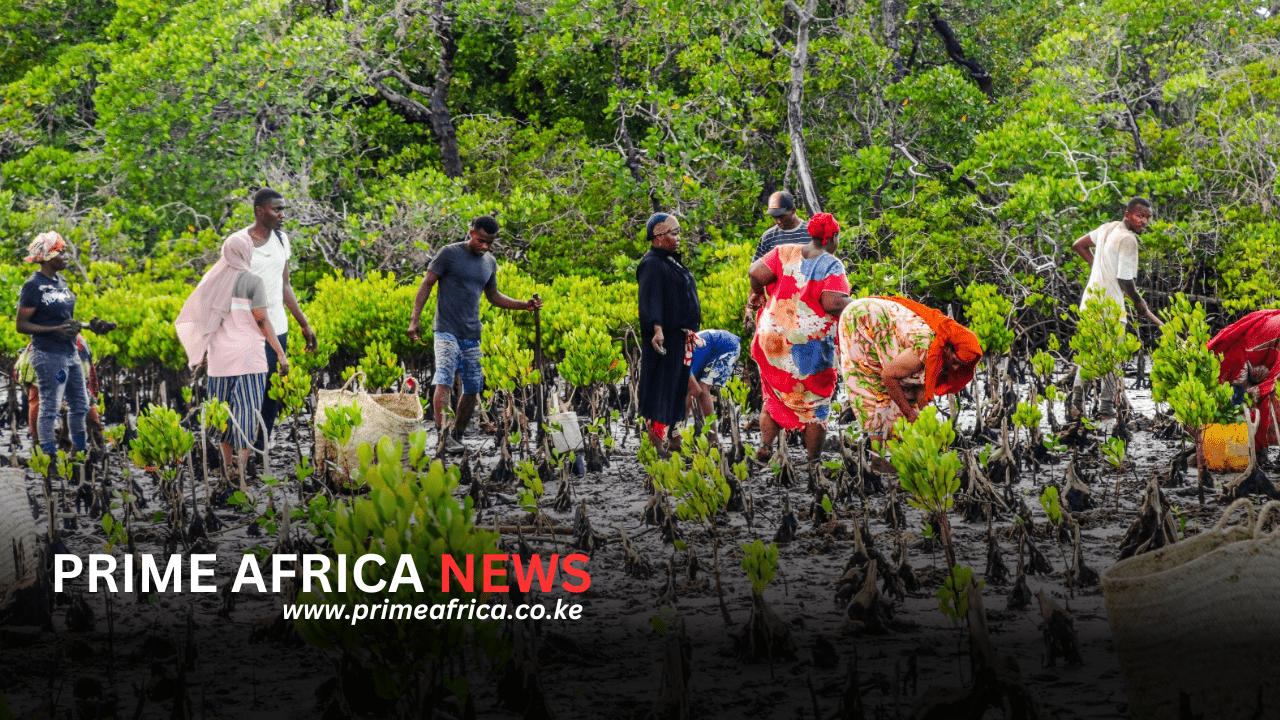

Kilifi, Kenya– Stakeholders in mangrove conservation have raised concern over the growing trend of record-breaking tree planting campaigns, warning that many mangrove restoration projects are failing because they ignore critical ecological conditions.
According to World Wide Fund for Nature Kenya (WWF-Kenya), up to 80 percent of mangrove planting initiatives fail when restoration efforts are not guided by scientific research and proper ecological assessment.
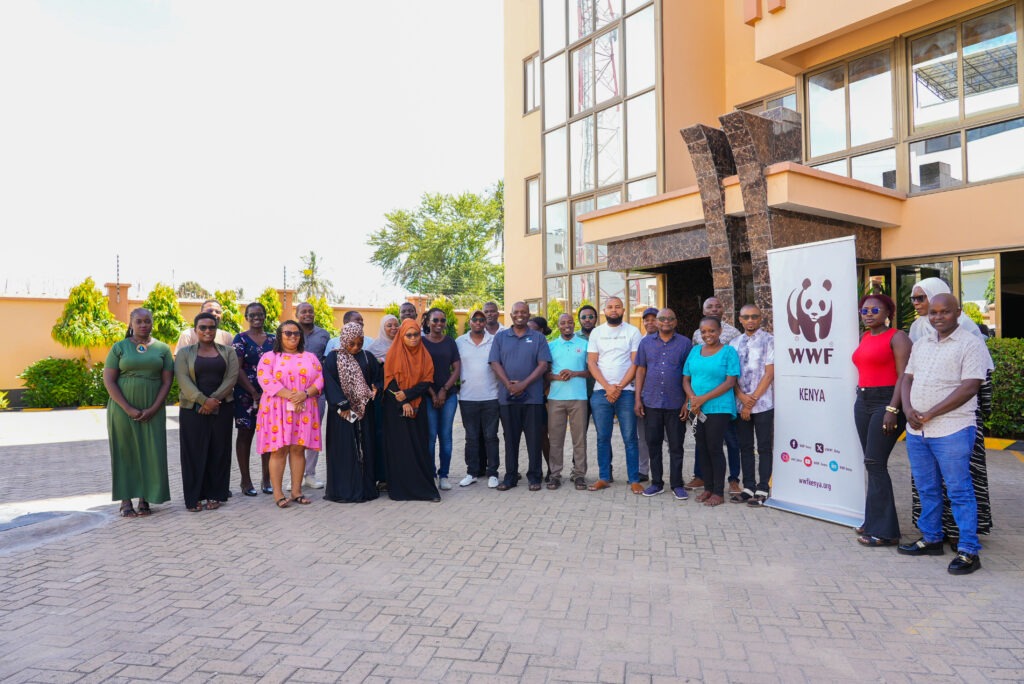
The organization is now calling on journalists and media practitioners to promote science-based mangrove restoration approaches and reference key national technical documents when reporting on conservation efforts.
These include the National Mangrove Ecosystem Restoration Guidelines and the National Mangrove Ecosystem Management Plan, which provide a framework for effective restoration and management of mangrove ecosystems across the country.
In recent years, mangrove restoration has often been associated with large-scale planting campaigns, with some groups attempting to set records for the highest number of mangroves planted within a day or even an hour.
However, conservation experts warn that such efforts—although well intentioned—can undermine genuine restoration work.
“While these efforts often stem from genuine intentions to support conservation, such record-driven approaches can overlook the ecological conditions necessary for mangroves to survive,” WWF-Kenya noted.
The organization warned that without proper site assessment, restoration of natural tidal flows, and a clear understanding of ecosystem dynamics, many planting initiatives are likely to fail.
Promoting Community-Based Ecological Mangrove Restoration
Conservation practitioners are now advocating for Community-Based Ecological Mangrove Restoration (CBEMR), an approach that focuses on restoring the natural ecological conditions that allow mangrove forests to regenerate naturally.
CBEMR emphasizes:
-
Restoring natural tidal flows
-
Understanding site-specific ecological conditions
-
Involving local communities as custodians of mangrove ecosystems
Experts say the approach has proven effective because it helps communities identify the root causes of mangrove destruction while empowering them to protect and sustainably manage the forests.
Planting Should Be the Last Option
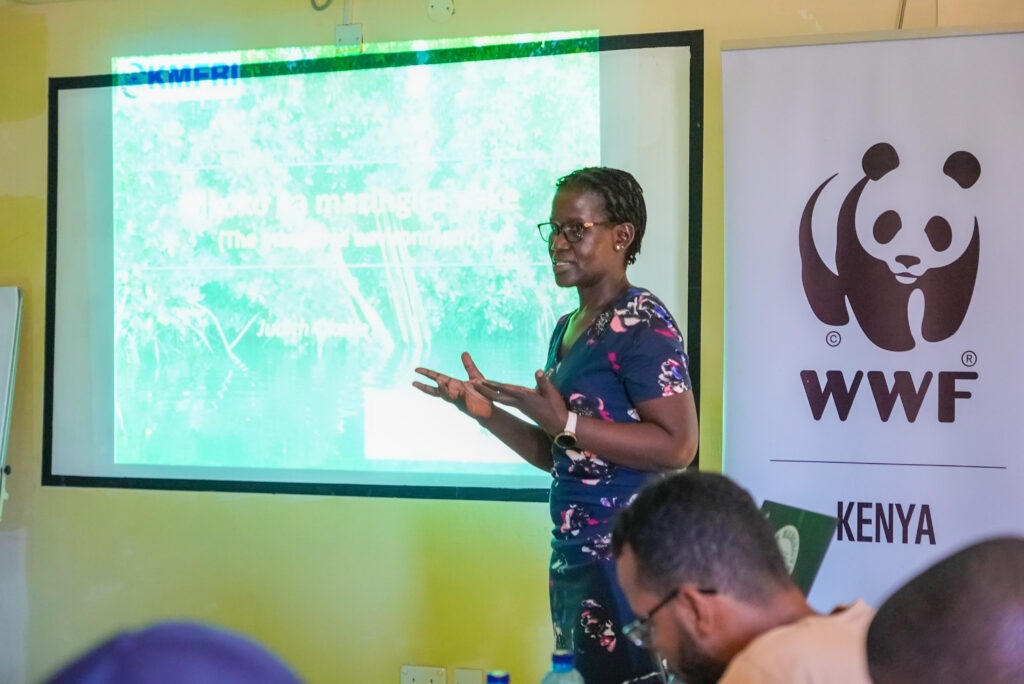
Speaking during the forum, Dr. Judith Okello, a scientist from the Kenya Marine and Fisheries Research Institute and chairperson of the National Mangrove Ecosystem Management Plan, emphasized that planting mangroves should only be considered as a last resort.
According to Dr. Okello, in areas where mature mangrove trees still produce seeds and tidal water flows freely, natural regeneration can occur without human intervention.
“We don’t need to plant mangroves in areas where the forest has been destroyed if there are mature trees producing seeds and natural tidal flows are still functioning. Such areas can restore themselves naturally,” she explained.
Kilifi Women Farmers Reap Gains from “Schools Without Walls” Initiative
Redirecting Conservation Resources
Stakeholders are also urging organizations and donors interested in restoration to invest in scientific assessments before launching planting initiatives.
Henry Komu, a research scientist at the Kenya Forestry Research Institute, said many resources are wasted on seedlings that fail to survive due to poor planning.
“We want all stakeholders to support mangrove restoration, but they must do so the right way. Funds used to buy seedlings could instead help identify and address the causes of mangrove destruction,” Komu said.
“Save Our Mangrove Now” Initiative
The Save Our Mangrove Now Initiative, led by WWF-Kenya, has brought together several conservation organizations including:
-
Kenya Forestry Research Institute
-
Kenya Marine and Fisheries Research Institute
-
Wetlands International Eastern Africa
-
Wildlife Clubs of Kenya
-
The National Mangrove Management Committee
The initiative aims to ensure restoration efforts follow the National Mangrove Ecosystem Restoration Guidelines, which provide technical guidance on how and where mangroves should be restored.
Understanding Mangrove Ecosystems
Experts also highlighted the importance of understanding the natural zoning of mangrove species.
For example:
-
Sonneratia alba typically grows closest to the shoreline
-
Rhizophora mucronata grows slightly inland
-
Avicennia marina, which tolerates higher salinity levels, is usually found further inland
Failure to follow this natural layout when planting mangroves often leads to near-zero survival rates.
Media Engagement in Kilifi
The conservation stakeholders spoke during a media engagement forum held in Mtwapa, where journalists from Kwale County, Mombasa County, and Kilifi County gathered to strengthen their understanding of mangrove restoration and improve environmental reporting.
The forum emphasized the critical role of the media in promoting accurate, science-based reporting on mangrove conservation in Kenya’s five coastal counties where the ecosystems are found.
Experts believe that informed reporting can help shift public focus from quantity-driven planting campaigns to sustainable restoration practices that protect mangrove ecosystems for future generations.
About The Author

