
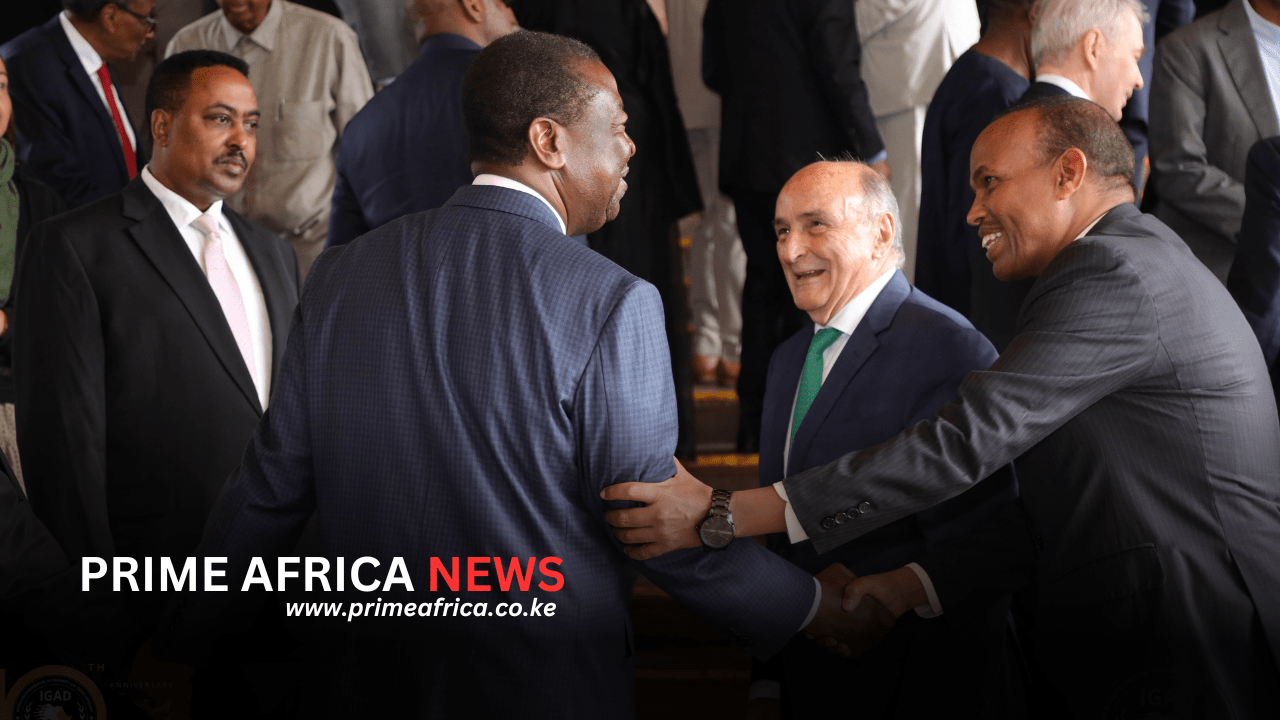

The Intergovernmental Authority on Development (IGAD) has called for a fundamental reimagining of peace mediation in Africa, warning that the international order that once supported diplomatic conflict resolution is steadily weakening.
Speaking during the IGAD Mediation Reflection Conference in Nairobi, IGAD Executive Secretary Dr. Workneh Gebeyehu said the global environment has changed dramatically, making mediation increasingly difficult in an era defined by geopolitical rivalry, fragmented authority, and declining trust among states.
“We are not simply living through a period of crisis. We are living through a transformation,” he told delegates, stressing that legitimacy in mediation can no longer be assumed but must be earned through political engagement and sustained trust-building.
Dr. Gebeyehu noted that the foundations that once sustained peace efforts—shared norms, functioning multilateralism, and cooperation among nations—are being eroded, creating new challenges for regional organizations seeking to broker peace.
He described mediation as IGAD’s most visible political responsibility, saying the success of the regional bloc should be measured not by commitments made, but by conflicts prevented and peace achieved.
“The Horn of Africa is not facing isolated crises, but an interconnected system of conflict that is increasingly regionalized and shaped by external actors,” he warned.
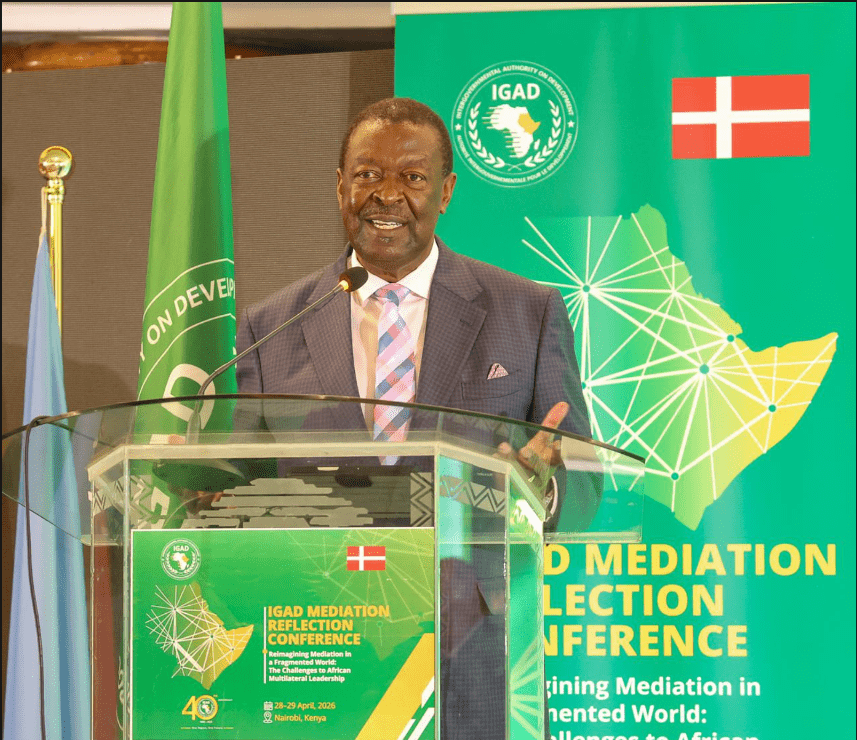
The conference also heard from Kenya’s Prime Cabinet Secretary and Foreign Affairs Cabinet Secretary Musalia Mudavadi, who raised concerns over what he described as the growing commercialization of peace processes.
“There is a new dynamic taking shape in mediation where the process has become transactional. People are now benefiting from conflicts and war,” Mudavadi said.
He criticized leaders and actors who have turned mediation into a bargaining tool, warning that such practices weaken the credibility of peace initiatives and prolong instability.
Calls for stronger ownership of regional peace efforts also featured prominently, with Dr. Gebeyehu urging member states to provide greater financial support for IGAD’s mediation programs.
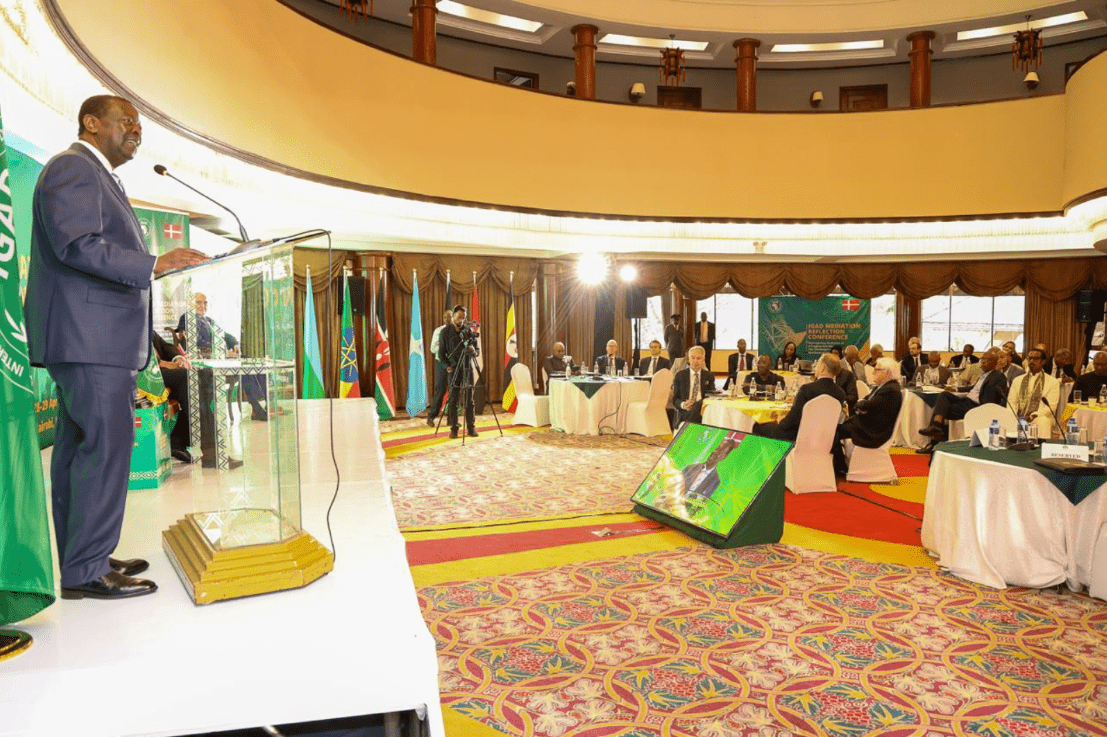
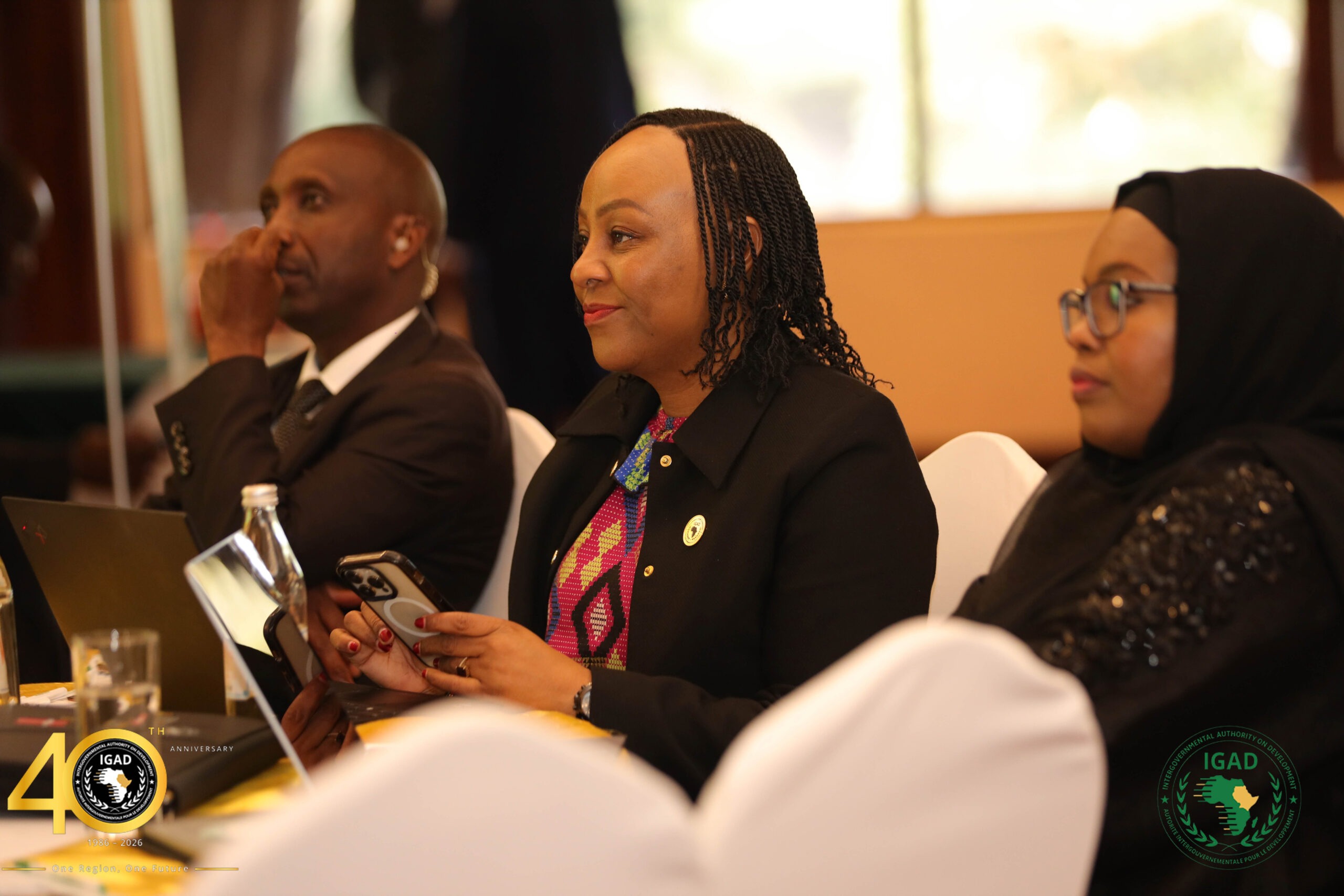
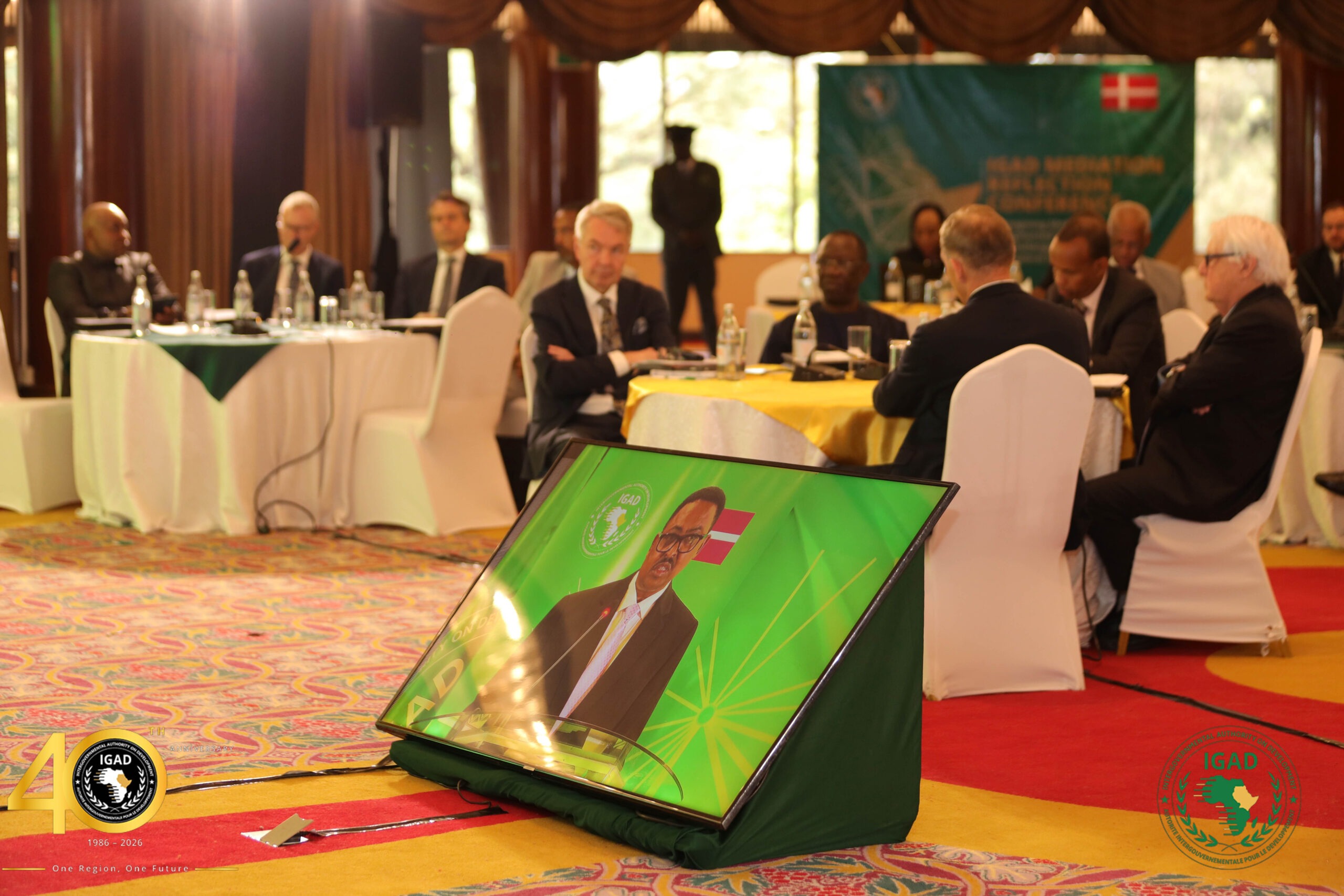
“Sustainable peace cannot be achieved without inclusivity. Member states must fund IGAD programs like mediation,” he said.
Discussions at the conference focused heavily on the ongoing war in Sudan and the conflict in the Democratic Republic of the Congo, with delegates warning against the normalization of prolonged wars and unresolved crises.
Participants argued that mediation efforts have been undermined to the point where even ceasefire calls are routinely ignored, while weak accountability mechanisms and limited public awareness around investigations into crimes against humanity continue to test the credibility of regional peace efforts.
According to the IGAD Executive Secretary, modern conflicts are increasingly fragmented and sustained by war economies, making them harder to resolve using conventional mediation frameworks.
Turning specifically to Sudan, Dr. Gebeyehu delivered one of the strongest messages of the conference, openly acknowledging the shortcomings of current efforts.
“Despite sustained efforts, we have neither halted the fighting nor secured a credible political process. This is failure, and it must be acknowledged,” he said.
He warned that Sudan risks becoming the epicenter of a wider crisis—not only of war itself, but of the erosion of mediation as a trusted tool for conflict resolution—unless regional and international actors align behind a coherent and politically grounded peace strategy.
Dr. Gebeyehu called for mediation to be reclaimed as a political strategy rather than reduced to crisis management, insisting that peacebuilding must prioritize legitimacy, coordination, and long-term solutions.
He concluded by urging leaders and institutions to act with urgency and courage, emphasizing that the Horn of Africa requires not conflict management, but lasting resolution.
The conference is expected to influence future regional peace frameworks and strengthen African-led approaches to mediation in an increasingly complex global landscape.
About The Author

