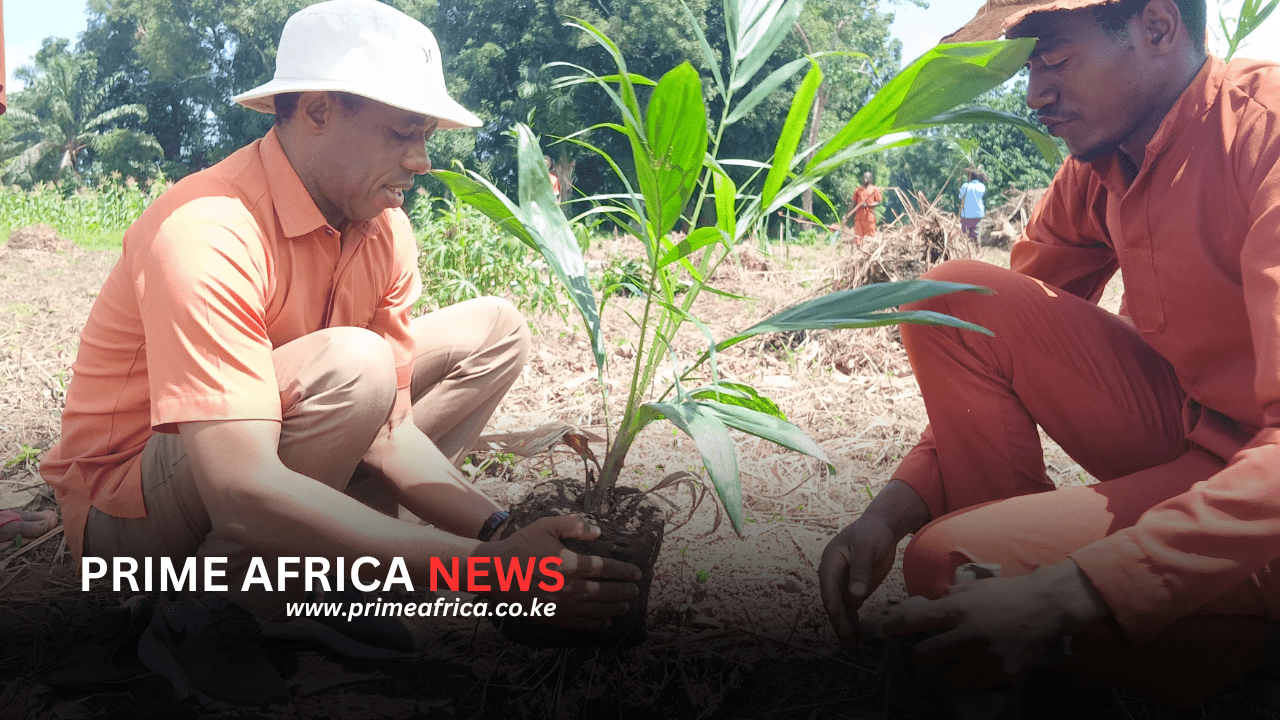

Western Equatoria State – The Azande Kingdom has launched a major agricultural initiative aimed at strengthening food production, creating jobs, and promoting economic development through large-scale palm oil farming in Western Equatoria State.
The project, unveiled on Saturday at the Royal Palace in Bazungua, will see the planting of 35,000 palm oil trees under the leadership of His Royal Majesty King Atoroba Peni Rikito Gbudue.
According to the kingdom’s leadership, the initiative is designed to encourage sustainable agriculture while expanding employment opportunities for young people and supporting local industries that rely on palm oil products.
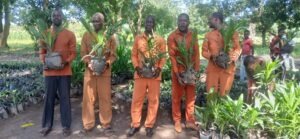
Speaking during the launch ceremony, King Atoroba Peni Rikito Gbudue described agriculture as the backbone of the local economy and urged households across the kingdom to actively participate in farming and tree planting initiatives.
The monarch said the project seeks to empower communities through long-term economic activities while reducing poverty and promoting self-reliance among residents, especially the youth.
Palm oil produced from the plantations is expected to support a wide range of industries, including the manufacturing of cooking oil, soap, margarine, cosmetics, shampoo, toothpaste, candles, processed foods, animal feed, industrial lubricants, and biofuel products.
The Prime Minister of the Azande Kingdom, who also attended the event, reaffirmed the kingdom’s commitment to agricultural expansion, noting that the initiative would enhance food security and open up new economic opportunities for local communities.
Youth leaders also welcomed the project, describing it as a significant step toward involving young people in productive economic activities.
“We have joined the King in launching the palm oil project as youth. We are committed to planting more trees across the kingdom in support of agriculture and development,” said youth representative Madabayo Friday.
The palm oil initiative is expected to be implemented in phases, with communities across Western Equatoria State encouraged to establish additional plantations as part of a broader strategy to strengthen agricultural production and value addition in the region.
About The Author