


NAIROBI, Kenya – A major international summit aimed at advancing peace, protecting journalists, and strengthening humanitarian support systems will be held in Nairobi this October, bringing together global leaders, media professionals, humanitarian actors, diplomats, technology experts, and policymakers to address the growing dangers facing journalists operating in conflict zones.
The Global Press Peace Summit 2026, officially known as the Nairobi International Summit on Peaceful Resolution of Conflicts: Protecting Journalists and Strengthening Humanitarian Support Systems, is being organized by Infornile Communications Ltd in partnership with University of Nairobi and Ecopark Global Initiative and is set to take place at the University of Nairobi (UON) on 25th-27th November 2026 under the theme: “Silencing the Guns, Amplifying the Truth.”
The summit comes at a time when journalists and media workers around the world are increasingly becoming direct targets of violence while covering wars, armed conflicts, political unrest, and humanitarian crises.
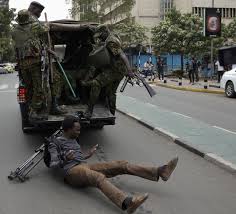
Organizers say the summit has been inspired by the alarming increase in deliberate attacks against journalists, media workers, and humanitarian personnel operating in conflict and war zones across different parts of the world.
Over the past several years, dozens of journalists have lost their lives while reporting from frontlines, with many others injured, detained, displaced, threatened, kidnapped, or subjected to digital surveillance and intimidation.
Press freedom organizations, media rights advocates, and international human rights groups have repeatedly expressed concern over what they describe as a worsening environment for journalists covering conflicts. Calls for justice and accountability have continued to grow as families, colleagues, and advocacy groups seek answers for journalists who have been killed, injured, or unlawfully targeted while carrying out their professional duties.
Media experts warn that attacks on journalists not only endanger individual lives but also undermine public access to information, weaken accountability, and obscure the realities of conflicts and humanitarian emergencies.
“When journalists are silenced, societies lose access to truth. Entire communities become invisible, humanitarian crises go underreported, and opportunities for peaceful conflict resolution become more difficult to achieve,” Said Bill Otieno, Press Freedom Advocate and one of the organizers.
The three-day summit seeks to transform global concern into coordinated action by creating a platform for dialogue and collaboration among key stakeholders.
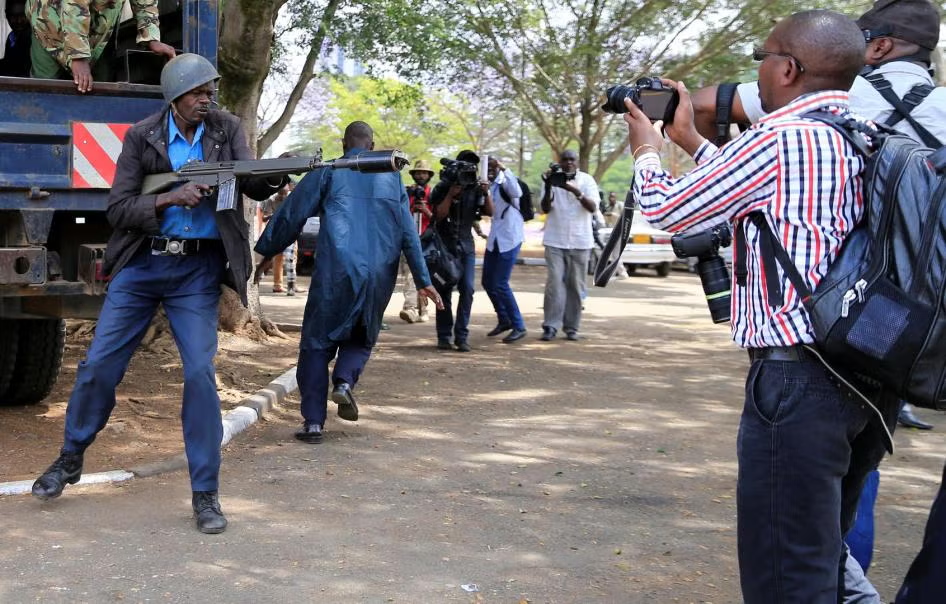
Participants will deliberate on strategies to strengthen protections for journalists and humanitarian workers while exploring innovative approaches to conflict prevention, peacebuilding, and safe reporting.
The summit will focus on:
- Advancing international dialogue on peaceful conflict resolution.
- Strengthening global frameworks for the protection of journalists and humanitarian personnel.
- Promoting accountability and justice for attacks against media professionals.
- Enhancing digital security and safety measures for journalists.
- Building stronger partnerships among governments, media organizations, humanitarian agencies, technology companies, and civil society.
- Developing sustainable support systems for frontline reporters operating in high-risk environments.
One of the anticipated outcomes of the summit will be the adoption of the Nairobi Declaration on Peaceful Resolution of Conflicts, a landmark advocacy document expected to call for stronger international legal protections for journalists and humanitarian workers.
The declaration will be submitted to the United Nations and other international institutions as part of broader efforts to strengthen global commitments to press freedom and the protection of civilians working in conflict environments.
The summit will also produce evidence-based policy recommendations informed by a baseline survey involving journalists from Kenya and the wider East African region.
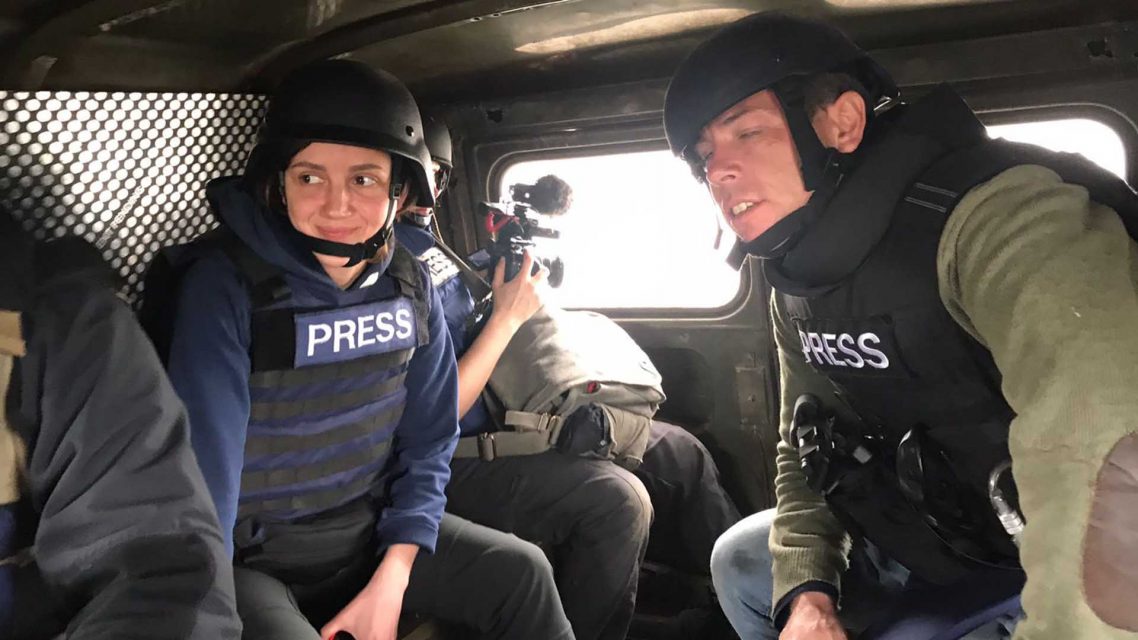
Organizers say a key component of the summit will be practical capacity building for journalists who regularly work in hostile environments.
Participants will receive specialized training in:
- Hostile environment awareness.
- Emergency and crisis response.
- Digital security and cyber protection.
- Trauma resilience and mental health support.
- Field logistics and risk management.
The training is expected to equip journalists with life-saving skills while helping media organizations strengthen safety protocols for their staff.
The summit is expected to attract participation from media houses, press freedom organizations, governments, United Nations agencies, diplomatic missions, humanitarian organizations, technology and telecommunications companies, academic institutions, development partners, and journalists from around the world.
Organizers believe the gathering will help establish stronger international partnerships aimed at protecting press freedom, improving humanitarian response systems, and advancing peaceful approaches to conflict resolution.
Experts attending the summit are expected to underscore the critical role of independent journalism in promoting transparency, accountability, human rights, and democratic governance.
By protecting journalists, stakeholders argue, societies benefit from improved access to credible information, stronger early warning systems during crises, reduced misinformation, and enhanced protection for vulnerable populations affected by conflict.
As preparations for the summit continue, organizers are calling on governments, development partners, civil society organizations, media institutions, and the international community to support efforts aimed at ensuring that journalists can carry out their work safely and without fear.
“The world cannot afford information blackouts where truth becomes the first casualty of conflict,” organizers said.
The Global Press Peace Summit 2026 seeks to send a clear message that protecting journalists is not solely a media issue but a global responsibility essential to peace, justice, humanitarian action, and sustainable development.
To Register : Click here
Call for Papers: Click here
How To support : Click here
Exhibitor Village : Click here
About The Author

