
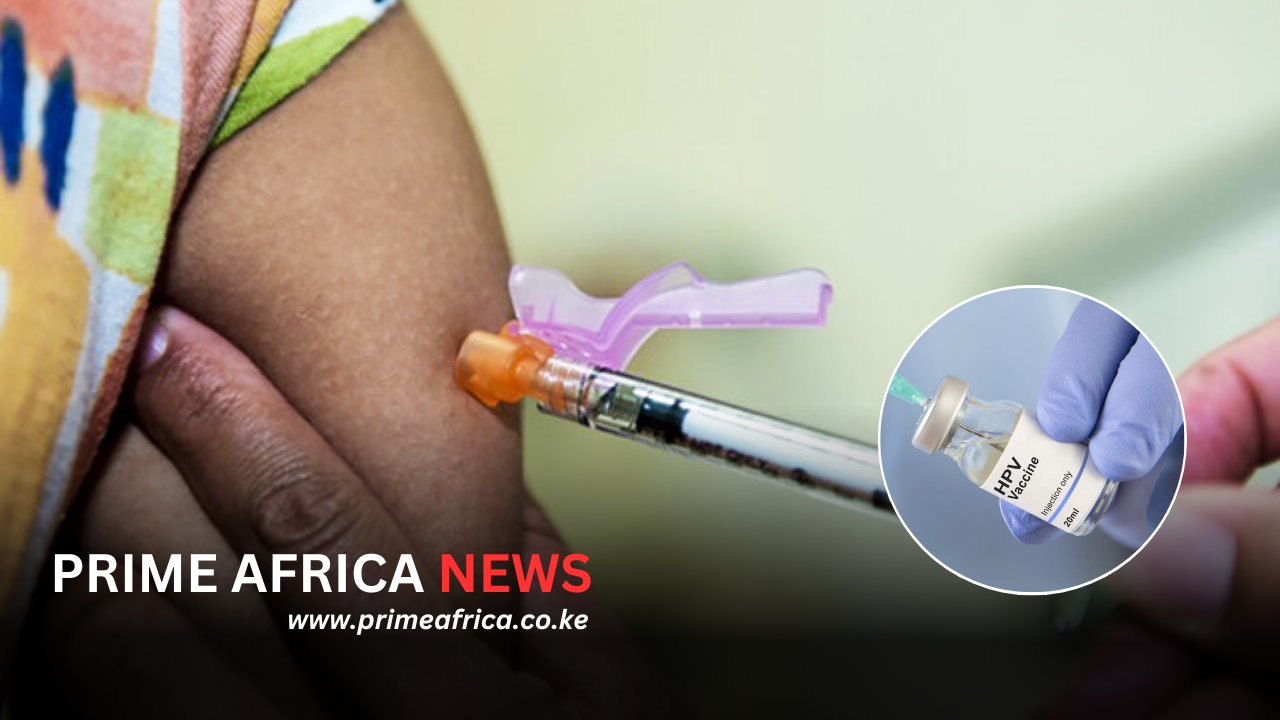

China has officially become the second country in the world—after the United States—to develop and approve a homegrown nine-valent human papillomavirus (HPV) vaccine, marking a pivotal moment in global efforts to combat cervical cancer.
The new vaccine, known as Cecolin 9, was developed by researchers from Xiamen University in collaboration with the Xiang An Biomedicine Laboratory and Wantai BioPharm. Its approval heralds a new era for cervical cancer prevention, especially in low- and middle-income countries, where high costs have long kept advanced HPV vaccines out of reach.
The nine-valent vaccine provides protection against nine strains of HPV and is proven to prevent approximately 90% of cervical cancer cases. This represents a major advancement compared to the bivalent and quadrivalent vaccines—currently in use in countries like Kenya—which offer about 70% protection.
A Game Changer for Africa
For Kenya, where cervical cancer remains one of the leading causes of cancer-related deaths among women, the emergence of Cecolin 9 could be transformative. The country’s Ministry of Health estimates thousands of new cervical cancer cases each year, many detected at advanced stages due to limited access to preventive screening and vaccines.
Kenya launched a school-based HPV vaccination programme in 2019, primarily targeting 10-year-old girls with the bivalent vaccine. Despite commendable progress, challenges persist. Vaccine hesitancy, logistical barriers, and constrained supply continue to hamper nationwide uptake.
Health experts say Cecolin 9, if made available at a more affordable price point, could significantly boost Kenya’s vaccination efforts—particularly in underserved and rural communities.
“This is an opportunity to bridge the equity gap in access to cancer prevention,” said Dr. Miriam Nyongesa, a Nairobi-based public health expert. “A more affordable, highly effective vaccine like Cecolin 9 could accelerate our progress toward eliminating cervical cancer.”
China’s Global Health Push
The approval of Cecolin 9 follows a series of rigorous clinical trials involving more than 11,000 volunteers. It builds on China’s earlier success with a bivalent HPV vaccine developed in 2019, which has already received World Health Organization (WHO) prequalification and is now used in over 20 countries.
Beijing’s growing investment in global health innovation positions China as an emerging leader in equitable vaccine access—especially for the Global South.
If Cecolin 9 secures WHO prequalification and enters the global market, its affordability and accessibility could reshape cervical cancer prevention strategies across Africa and beyond.
Kenya’s Path Forward
As Kenya pushes forward with its universal health coverage agenda, the timing of this breakthrough could not be more critical. Expanding access to effective and affordable HPV vaccines aligns with the country’s strategic goals to reduce its cancer burden and improve women’s health outcomes.
Government officials and health advocates are now watching closely to see how soon Cecolin 9 could be included in the WHO’s global procurement lists—potentially paving the way for broader distribution in Kenya through Gavi-supported mechanisms.
For girls growing up in Kenya’s underserved communities, this development offers more than scientific progress. It offers hope.
About The Author

