
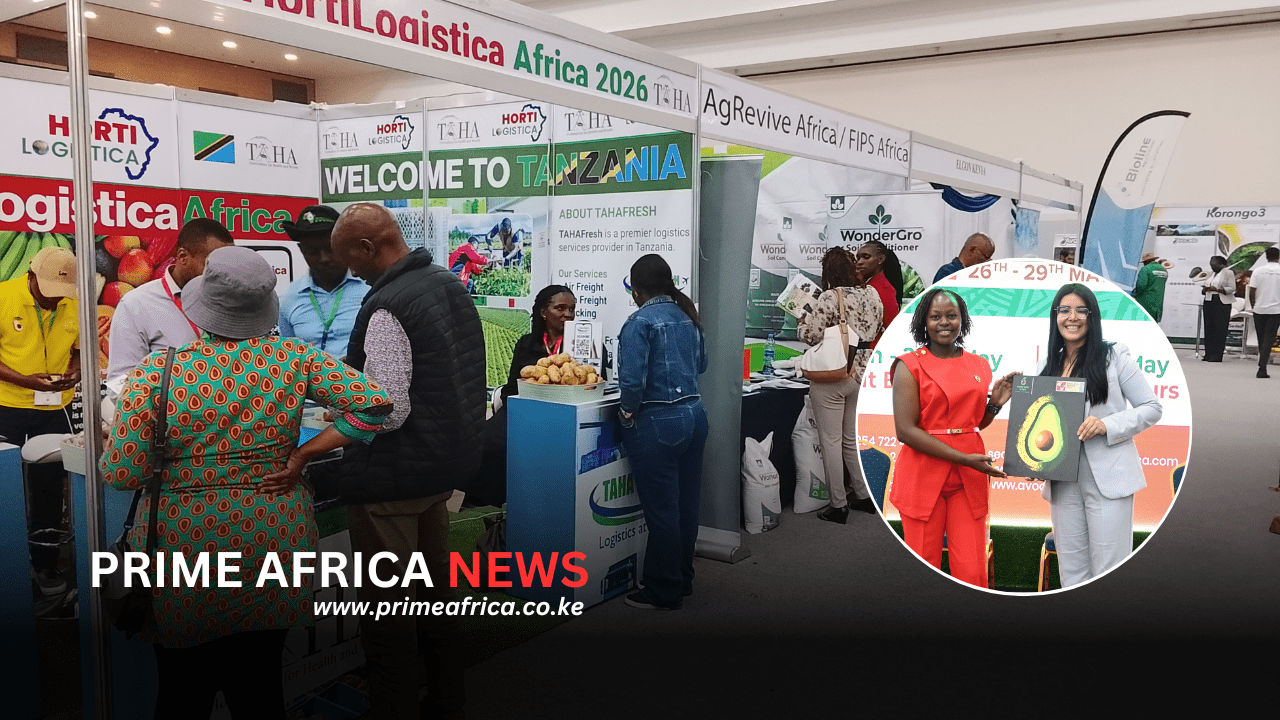

NAIROBI, Kenya – Kenya is this week hosting the sixth edition of Avocado Africa 2026, the continent’s largest international gathering focused on the avocado and fresh produce value chain, as the country positions itself for another major expansion in exports, value addition and global market access.
The four-day summit, running from May 26 to 29 at the Sarit Expo Centre in Nairobi, has brought together farmers, exporters, investors, policymakers, researchers and agribusiness leaders from across Africa, Europe, Asia, the Middle East and the Americas.
Organised by the Avocado Society of Kenya in partnership with regional and international stakeholders, the congress is themed “Innovation, efficiency and sustainability” and features high-level conferences, technical workshops, exhibitions, policy dialogues and business networking sessions aimed at strengthening Africa’s avocado industry.
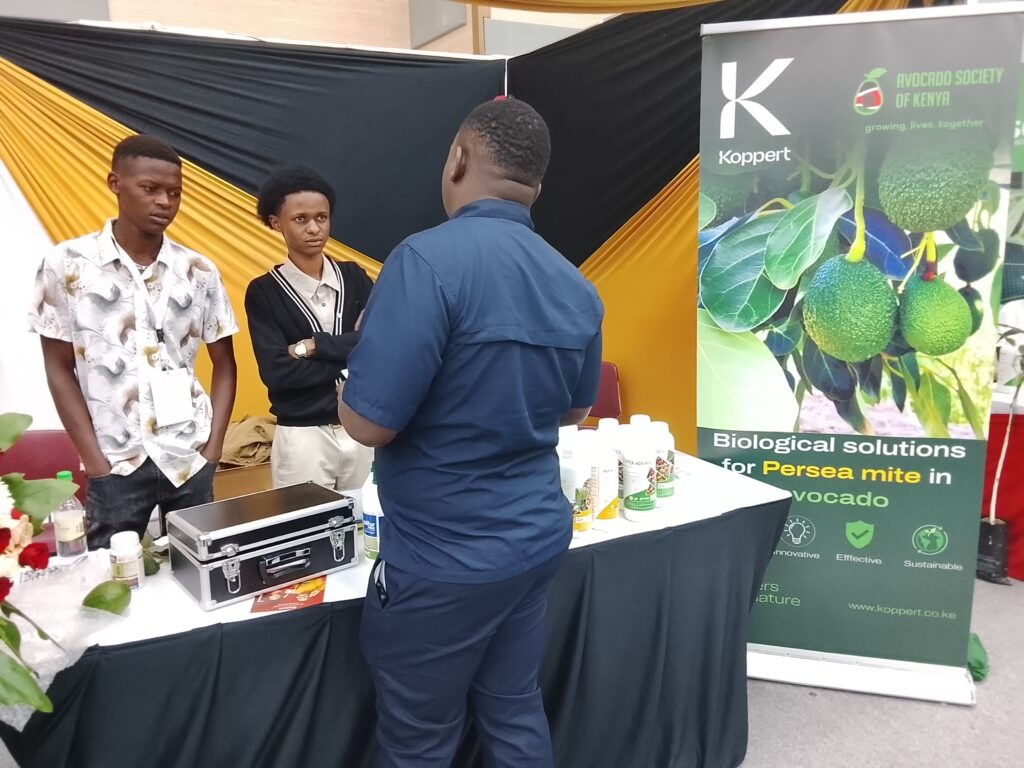
The event comes at a pivotal moment for Kenya’s avocado sector, which continues to register strong growth despite recent regulatory disruptions linked to fruit quality concerns.
According to projections by the United States Department of Agriculture (USDA) Foreign Agricultural Service office in Nairobi, Kenya’s avocado production is expected to rise by 4.8 per cent to approximately 727,000 metric tonnes in 2026, up from an estimated 694,000 tonnes recorded in 2025 — the highest production level in the country’s history.
Exports are forecast to increase by 7.4 per cent to 130,000 metric tonnes in 2026, while export revenues are projected to reach KES 25.4 billion, equivalent to roughly US$170 million.
Naoura Company Expands Footprint in Africa’s Booming Avocado Oil Industry Amid Record Export Growth
Industry stakeholders attribute the anticipated growth to expanding harvested acreage, improved orchard productivity, increased adoption of premium Hass avocado varieties and stronger demand from key international markets, particularly in Asia and the Middle East.
Speaking during the opening of the congress, Avocado Society of Kenya Chief Executive Officer Ernest Muthomi described the summit as a critical platform for driving investment and trade across Africa’s horticultural sector.
“Avocado Africa 2026 is more than an exhibition. It is a gateway for trade, innovation and investment across the avocado value chain because Africa has a unique opportunity to strengthen its position as a global supplier of high-quality fresh produce,” said Muthomi.
The congress is also spotlighting emerging opportunities in value-added processing, especially avocado oil production, which has experienced rapid expansion over the past two years.
Industry data shows avocado oil processing volumes increased sharply from 3,326 tonnes in 2024 to 10,188 tonnes in 2025 as processors responded to growing international demand from the food, pharmaceutical and cosmetics industries.

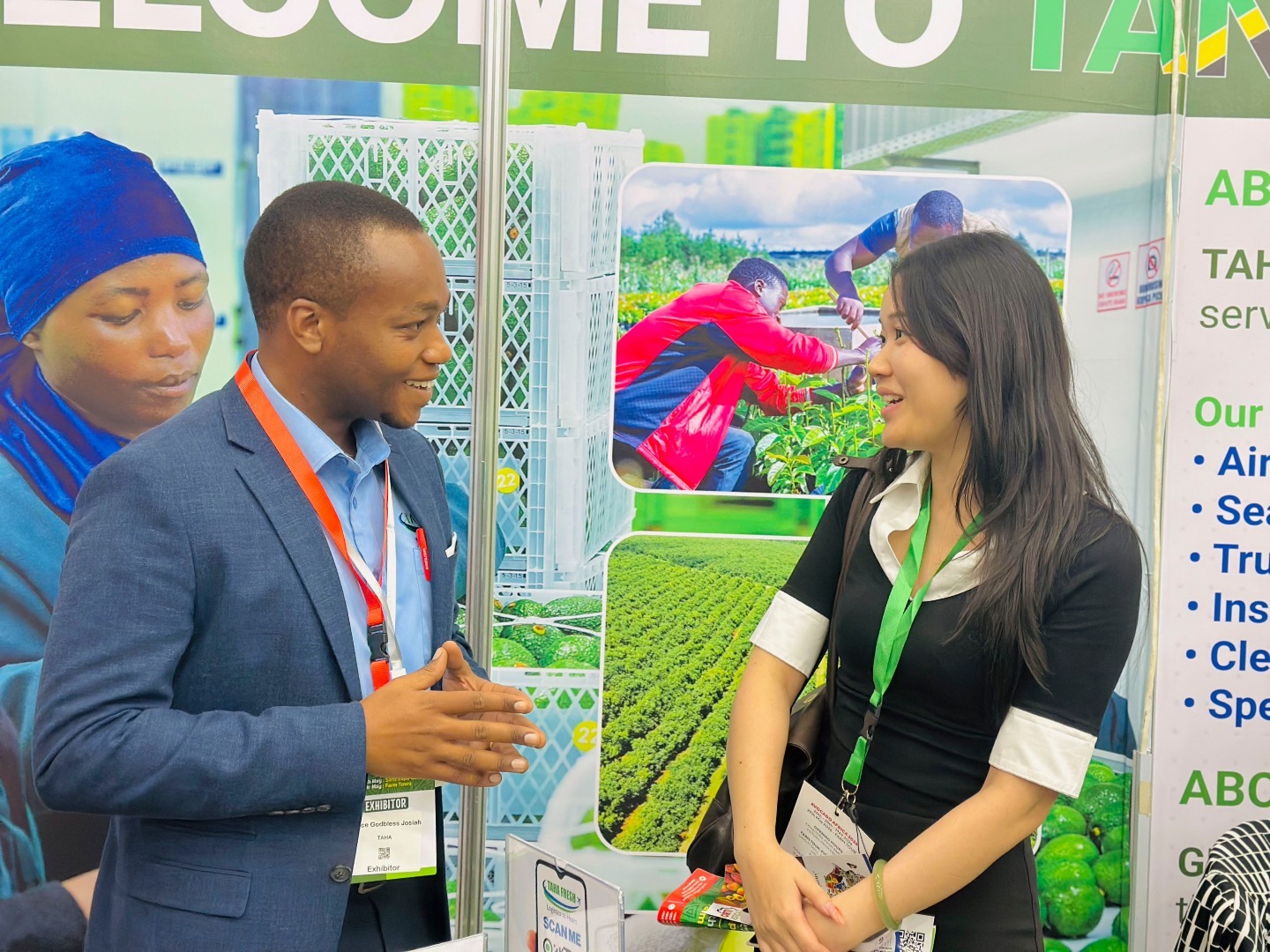
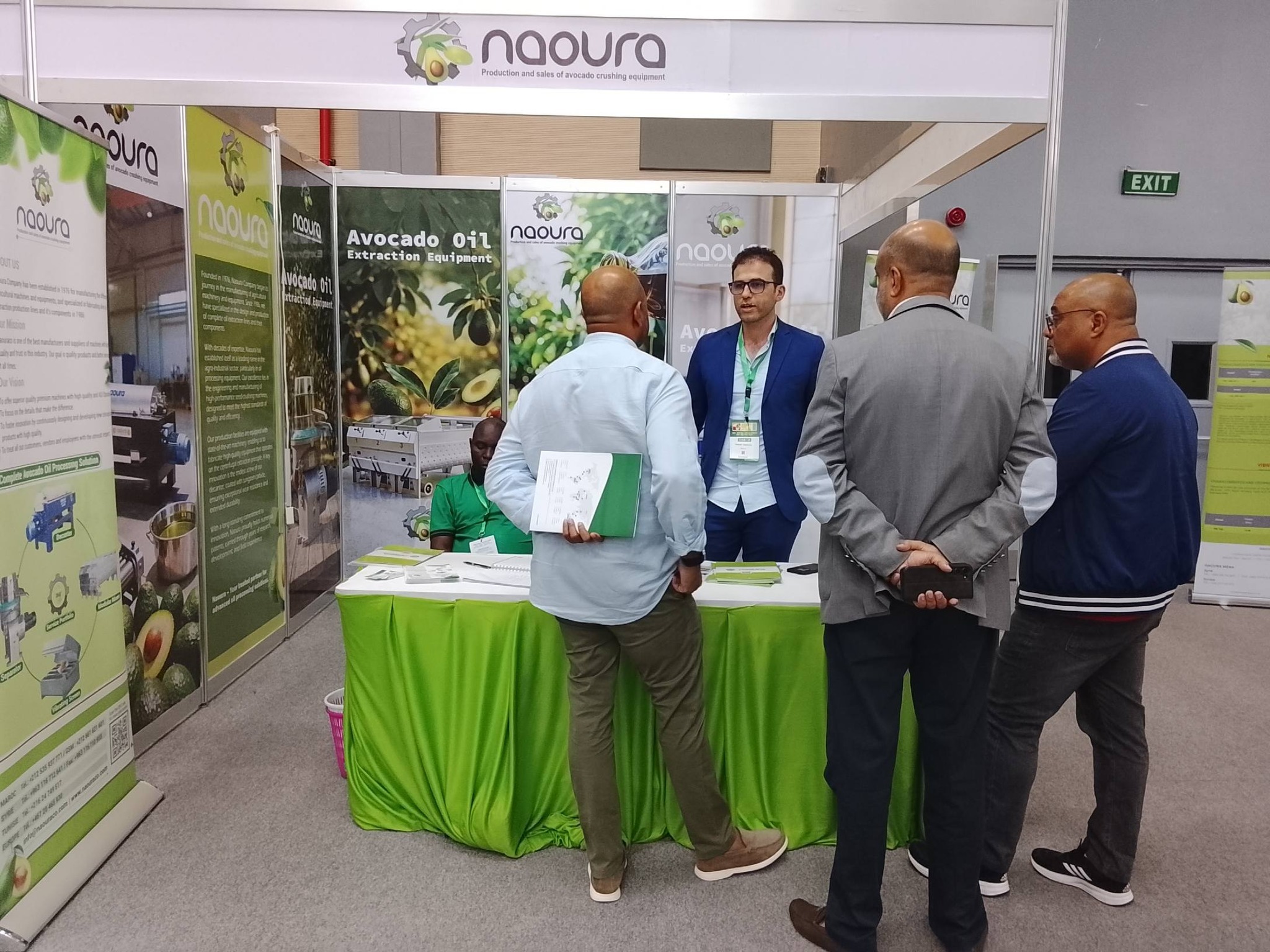
Some Kenyan firms are now refining avocado oil for pharmaceutical and cosmetic applications, with processed oil reportedly fetching prices up to four times higher than fresh fruit in global markets.
To accelerate investments in processing, the Kenyan government has introduced tax incentives for companies establishing avocado processing facilities within Special Economic Zones.
Despite the positive outlook, the sector has faced significant challenges over quality compliance and export standards.
Kenya’s 2025 avocado export season was temporarily suspended following concerns over immature fruit reaching international buyers, raising fears about reputational damage in key export destinations.
As a result, avocado exports in 2025 declined to an estimated 121,000 metric tonnes, representing a 23.4 per cent year-on-year drop.
In response, the Agriculture and Food Authority (AFA) reopened the 2025/2026 export season on April 2, 2026 after field inspections confirmed improved fruit maturity levels in major producing regions.
Authorities have since introduced stricter regulatory measures aimed at improving traceability and safeguarding Kenya’s reputation in global markets.
Under the new rules, all exporters must undergo mandatory packhouse inspections, provide lists of registered suppliers and comply with traceability requirements linking shipments to harvest origin and timing.
Transporting avocados using open trucks and pick-up vehicles has also been banned, while exporters or agents found harvesting immature fruit risk losing their export licences.
At the Jomo Kenyatta International Airport cargo terminal, inspectors from the Horticultural Crops Directorate are now conducting oil-content verification tests and rejecting consignments that fail to meet maturity standards.
Fresh avocados destined for export are required to meet dry matter content thresholds ranging between 20 and 24 per cent depending on the variety.
Even with the tighter regulatory environment, exporters say early-season prices in 2026 have improved compared to last year, supported by tighter supply, stronger demand from China and the Middle East, and improved fruit quality.
As global demand for avocados and avocado-derived products continues to grow, industry leaders attending Avocado Africa 2026 say Kenya is increasingly positioning itself not only as Africa’s leading avocado exporter but also as a strategic processing and value-addition hub for international markets.
About The Author

