
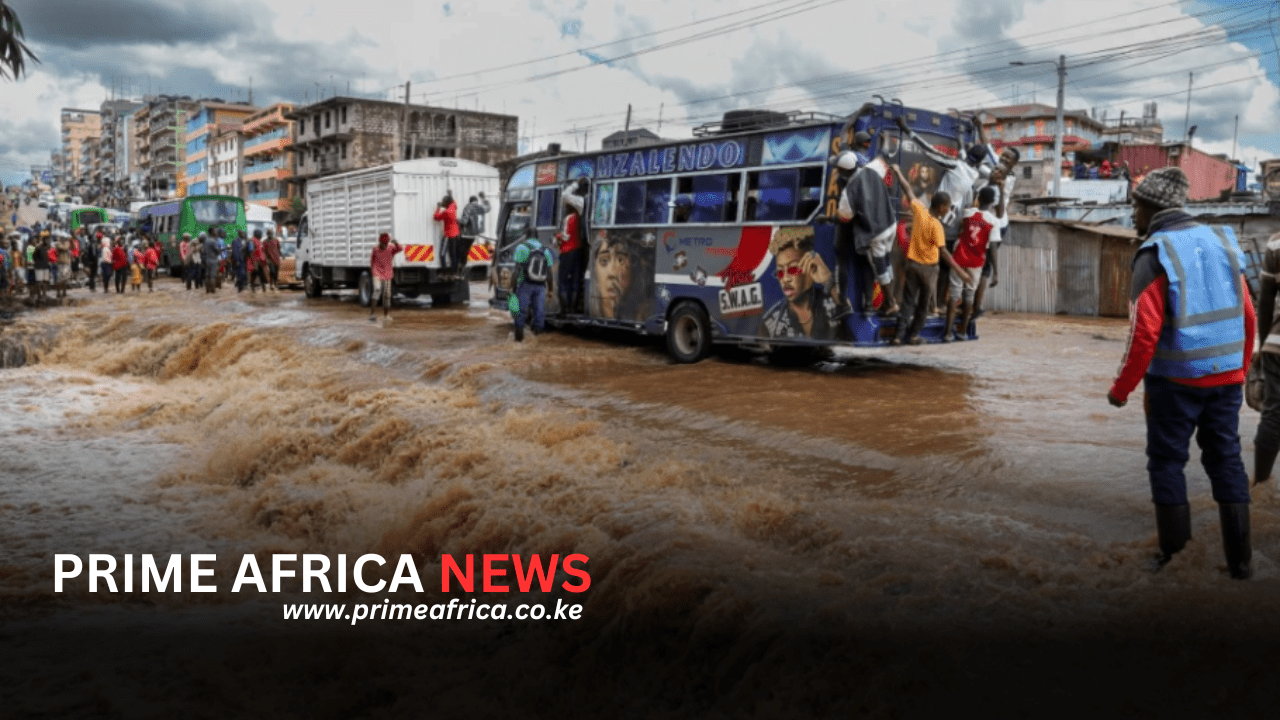

Nairobi, Kenya – The Kenyan government has issued an early health warning, urging citizens to prepare for a possible outbreak of waterborne diseases during the upcoming March–April–May (MAM) 2026 long rains.
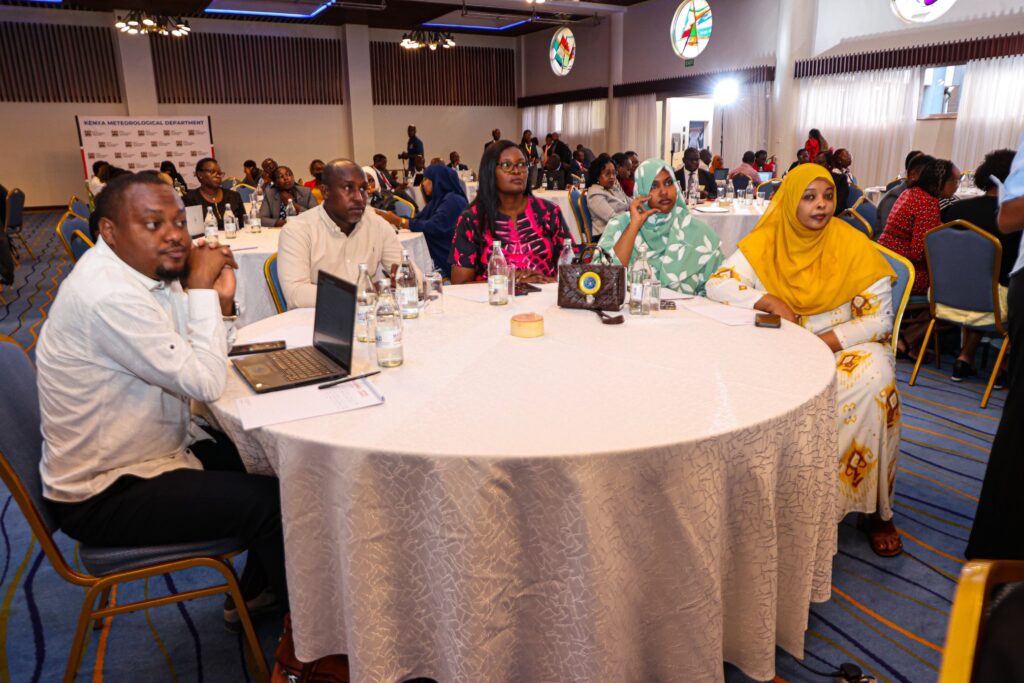
Speaking during the 12th National Climate Outlook Forum held in Nairobi, officials from the State Department of Health cautioned that prolonged and intense rainfall could heighten the risk of diseases such as cholera, typhoid and malaria, particularly in regions expected to receive near to above-average rainfall.
Populations living in the Lake Victoria Basin, Rift Valley, Nairobi and Central Kenya were advised to take preventive measures, including ensuring proper drainage systems, practicing safe waste disposal, treating drinking water and acquiring mosquito nets to curb malaria infections.
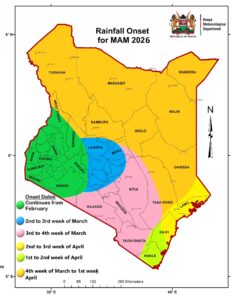
At the same forum, the Kenya Meteorological Department painted a mixed picture as the country heads into the critical MAM 2026 rainy season. The outlook comes at a worrying time, following the poor performance of the October–December 2025 short rains, which exacerbated drought conditions and deepened food insecurity in several parts of the country.
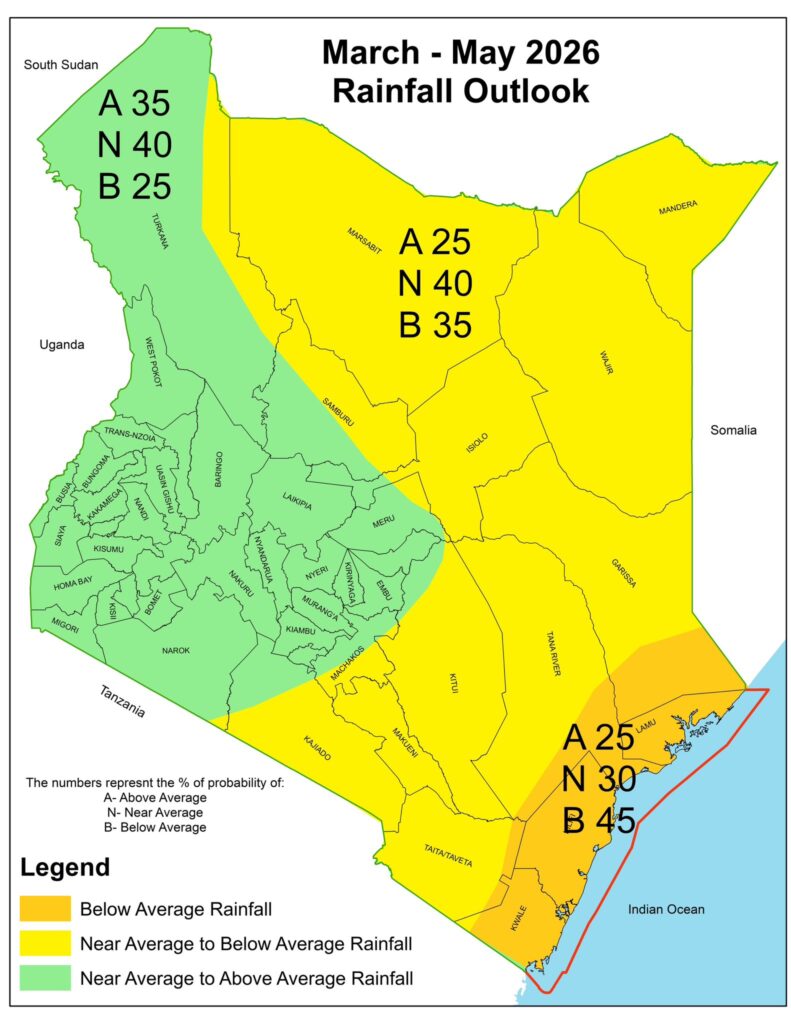
According to the department’s forecast, north-western Kenya is expected to receive near to above-average rainfall, while north-eastern Kenya is likely to experience near to below-average rainfall. The coastal region is also projected to record near to below-average rainfall distribution.
Meteorologists warn that the uneven rainfall patterns will bring both positive and negative impacts. While some areas may benefit from improved water availability, others could face flooding, disease outbreaks, or continued dryness. Temperature forecasts for the March–May season further indicate heightened climate variability, compounding the risks.
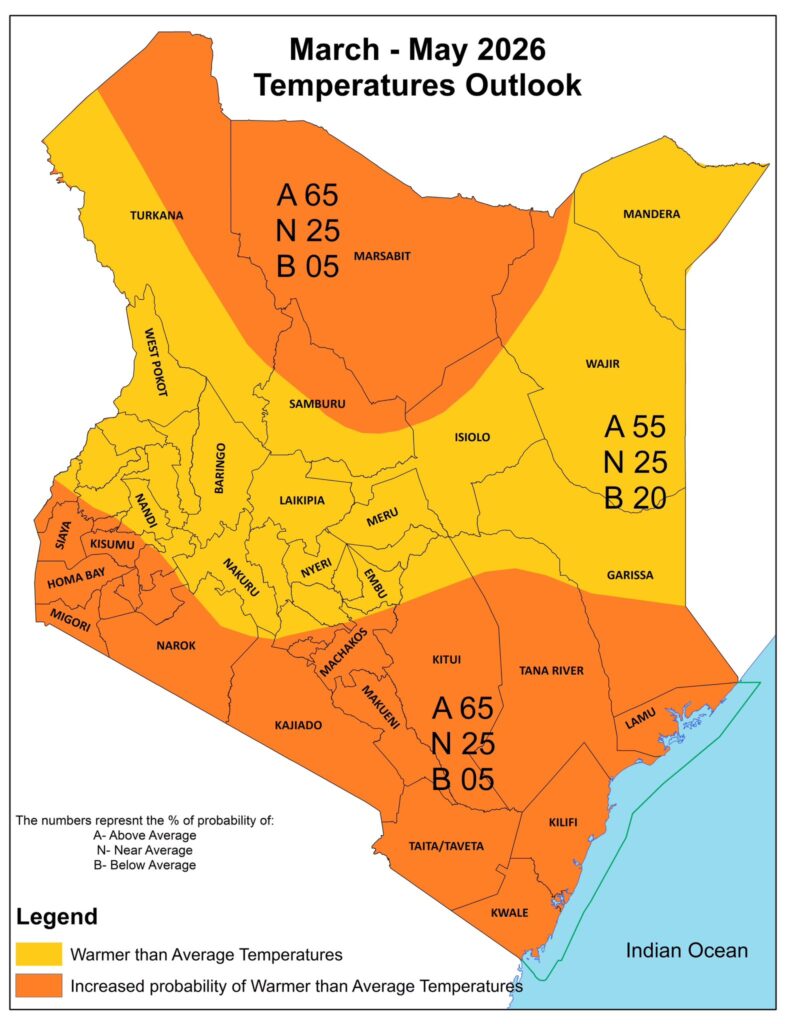
The Meteorological Department also cautioned that agricultural productivity may be affected, with poor crop regeneration likely in some regions, potentially leading to food and water scarcity if mitigation measures are not put in place.
As planners, farmers and health authorities brace for the uncertain season ahead, the government is calling for coordinated preparedness efforts to minimize health risks and protect livelihoods amid the evolving climate challenges.
About The Author

