

Dar es Salaam, Tanzania — Tanzania’s Prime Minister Mwigulu Nchemba has urged citizens to remain indoors on December 9, the country’s Independence Day, amid heightened security and growing fears of nationwide protests over the government’s handling of post-election violence.
In a video message shared through the government’s official X (formerly Twitter) account, Nchemba asked Tanzanians to stay at home unless they have emergencies or essential duties, warning that any planned demonstrations would be unlawful.
The call comes after online mobilisation efforts encouraged citizens to stage protests over the deadly crackdown on anti-government demonstrations that followed the October general elections. According to the United Nations, hundreds of people were likely killed during the unrest, which erupted after key opposition candidates were barred from contesting the polls.
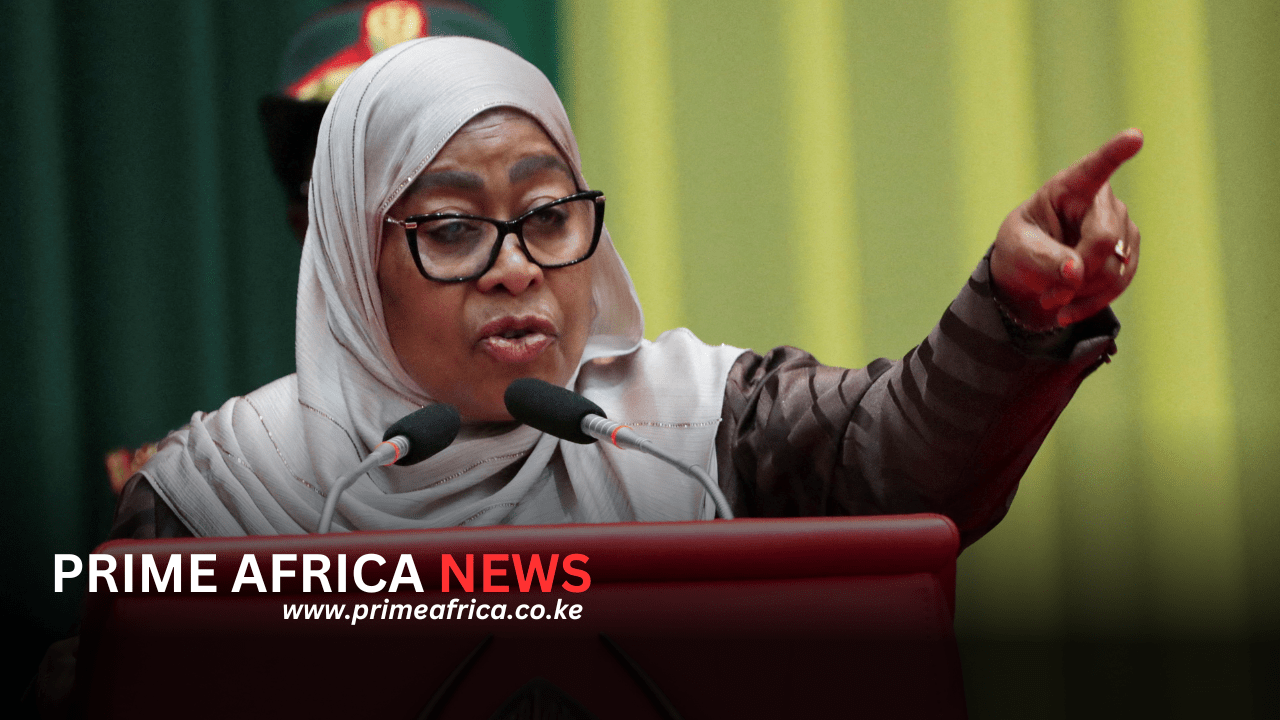
President Samia Suluhu Hassan was declared the winner with nearly 98 percent of the vote, a result opposition leaders and civil society groups have described as illegitimate.
While the government has acknowledged that lives were lost during the unrest, it has strongly denied that security forces used excessive force. Police said that any demonstrations planned for December 9 would be illegal because organisers failed to submit a formal request as required by law.
Security has been significantly tightened in major cities, with large deployments of police and military units reported across Dar es Salaam and Arusha in the days leading up to Independence Day.
President Hassan has since established a commission to investigate the events surrounding the election violence but has rejected allegations of abuses by security agencies, maintaining that some protesters were attempting to destabilise and overthrow the government.
Meanwhile, the United States has announced it is reviewing its relationship with Tanzania, citing concerns over violence against civilians, restrictions on free speech, limitations on religious freedom, and barriers to foreign investment.
About The Author

