
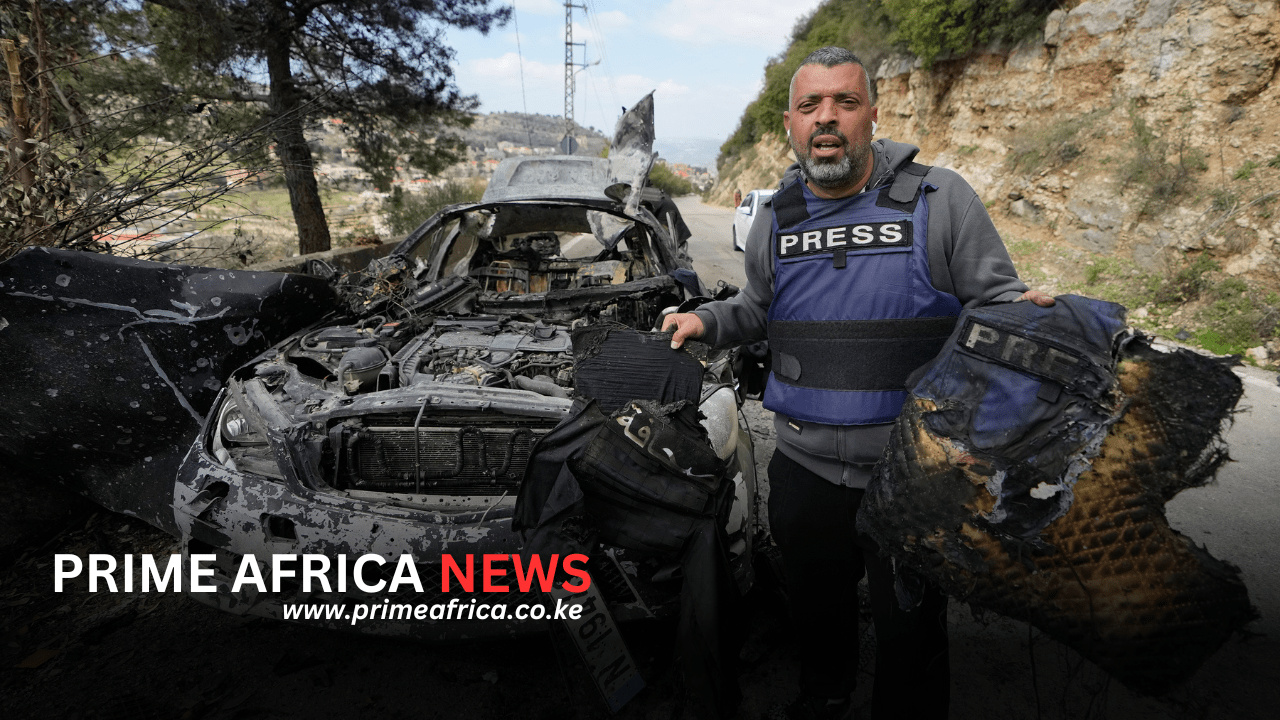

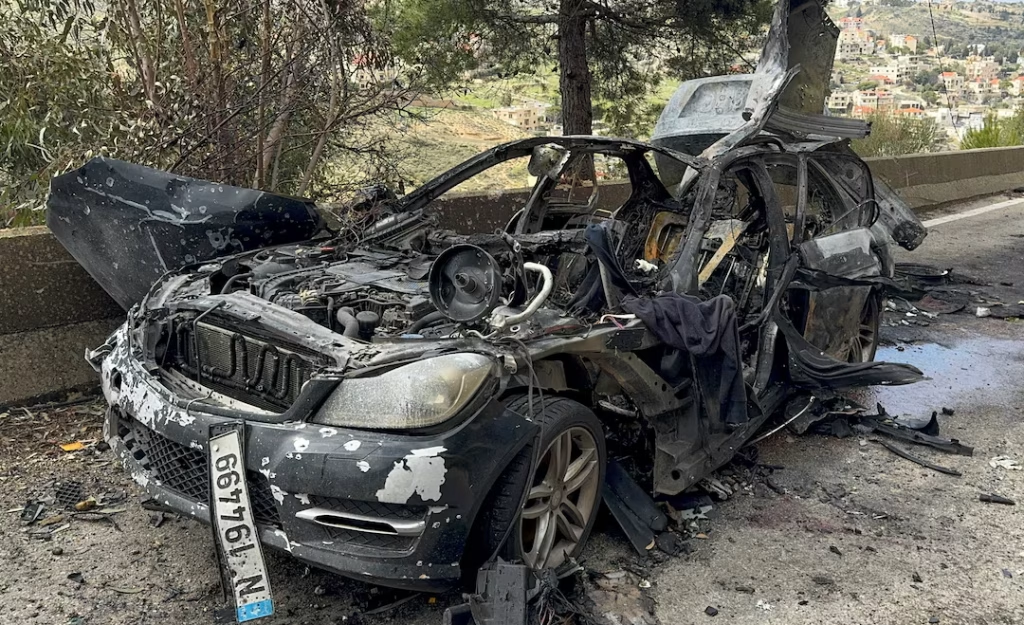
BEIRUT, Lebanon — The global media community is in mourning today following a devastating Israeli airstrike that killed three journalists in southern Lebanon. The attack, which targeted a vehicle near the city of Jezzine on Saturday, marks a grim escalation in the ongoing conflict and has ignited a firestorm of international condemnation.
[spacer height=”20px”]
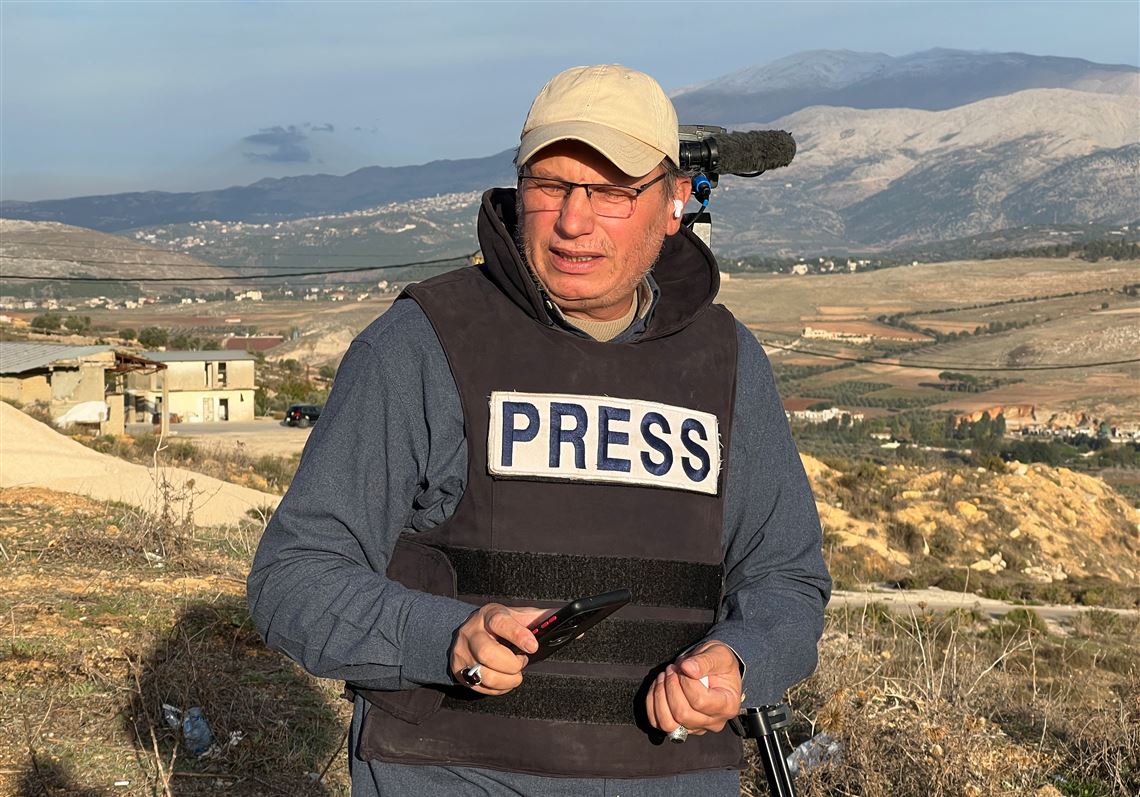
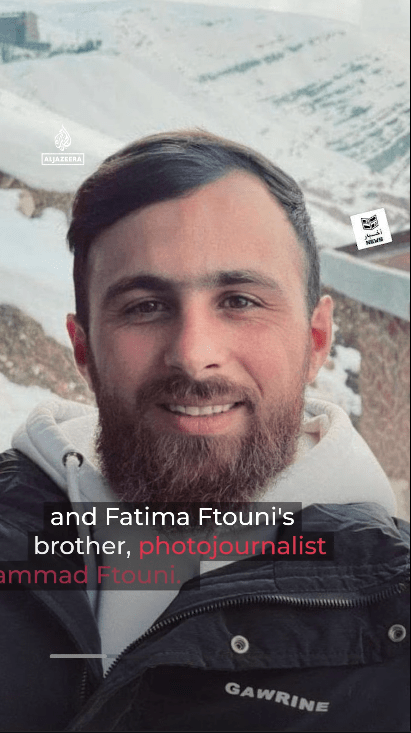
The deceased have been identified as Ali Shuaib, a veteran correspondent for Al-Manar TV; Fatima Fatouni, a reporter for Al-Mayadeen; and their cameraman, Mohamad Fatouni.
[spacer height=”20px”]
A Targeted Strike on the Press?
[spacer height=”20px”]
The strike occurred on the Al-Barad road in Jezzine while the journalists were reportedly traveling to cover the escalating hostilities in the south. While the Israeli military admitted to the killing of Ali Shuaib—alleging without providing evidence that he was an intelligence operative—it has remained silent on the deaths of the other two media professionals.
[spacer height=”20px”]
Lebanese leadership reacted with swift and stinging rebukes:
-
President Joseph Aoun: Termed the attack a “blatant crime that violates all international norms” and called for immediate intervention from global bodies.
-
Prime Minister Nawaf Salam: Urged for strict adherence to international law, describing the incident as an affront to the sovereignty of the press.
-
Information Minister Paul Morcos: Announced that Lebanon is preparing an official complaint to the UN Security Council.
[spacer height=”20px”]
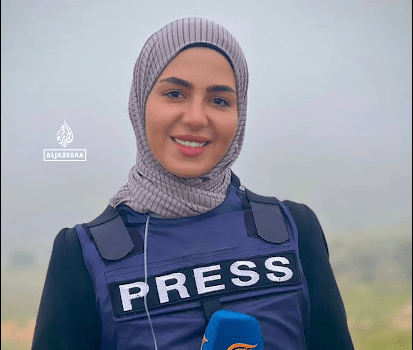
[spacer height=”20px”]
The Syndicate of Workers in Visual and Audio Media in Lebanon issued a poignant statement, calling the strike a “transparent attempt to silence free voices and obscure serious human rights violations.”
[spacer height=”20px”]
[spacer height=”20px”]
This latest tragedy comes at a time of heightened sensitivity for African media. Just days ago, a Kenya-based journalist published a widely circulated open letter to global leaders, warning that the “deliberate targeting of journalists in conflict zones is becoming a normalized tool of war.”
[spacer height=”20px”]
The letter, which has been trending across Nairobi’s media circles and international press freedom forums, argued that the failure to hold perpetrators accountable in one region emboldens aggressors in another. The author called for a “universal shield” for those carrying cameras and notebooks, emphasizing that “when the messenger is killed, the truth is buried with them.”
[spacer height=”20px”]
The deaths of Shuaib and the Fatounis are being cited by African media watchdogs as a “dark confirmation” of the fears raised in that letter.
[spacer height=”20px”]
Since dawn on Saturday, Israel has launched airstrikes and artillery attacks on 42 towns and cities across Lebanon. According to the Lebanese Health Ministry, the offensive that began on March 2 has now resulted in:
-
1,142 Deaths
-
3,315 Injuries
[spacer height=”20px”]
As Lebanon prepares its case for the UN, the global journalism fraternity stands at a crossroads, questioning whether the “Press” vest still offers any protection in the modern theater of war.
[spacer height=”20px”]
About The Author
