
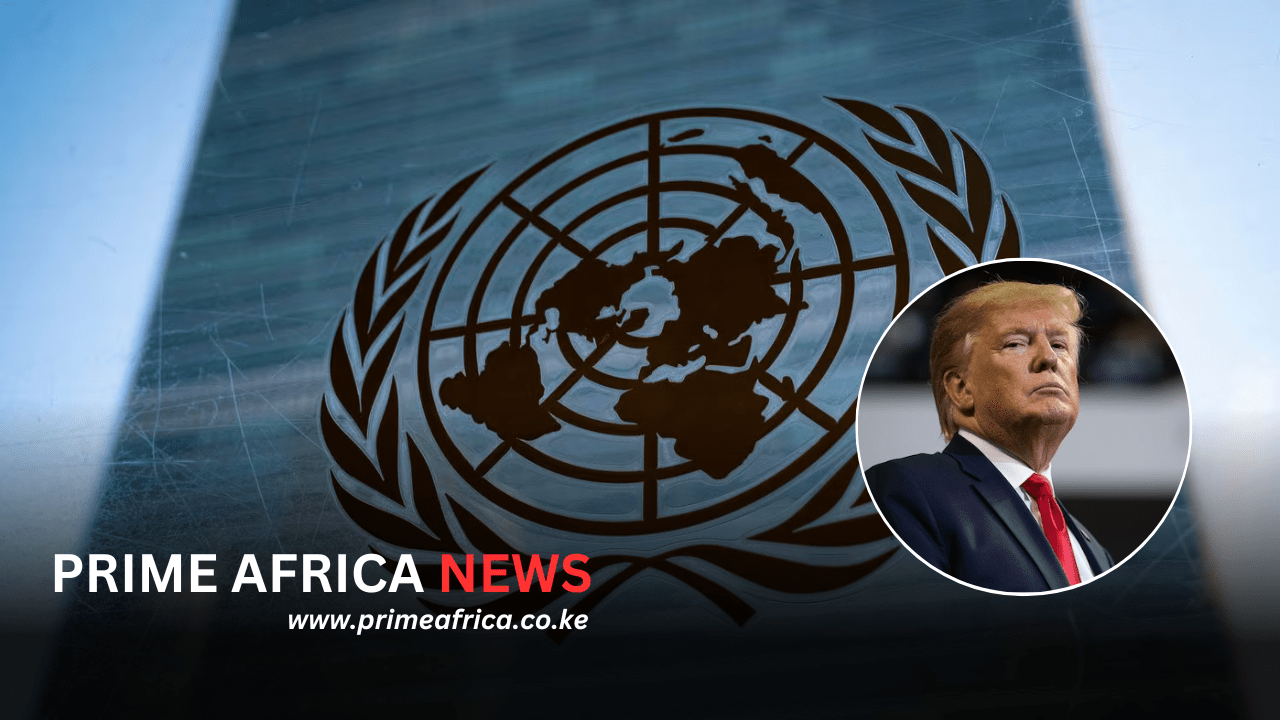

Washington, D.C. — The United States has announced a major shift in its foreign policy engagement, ordering an immediate withdrawal from dozens of international and United Nations-affiliated organizations, citing national interest concerns.
In a memorandum addressed to the heads of executive departments and agencies, the President directed all U.S. government entities to begin the process of withdrawing from the listed organizations “as soon as possible,” following a comprehensive review led by the Secretary of State.
The directive follows Executive Order 14199, issued on February 4, 2025, which mandated a full assessment of U.S. participation and funding of international intergovernmental organizations and treaties. According to the memorandum, the Secretary of State has now submitted his findings, concluding that continued membership in certain organizations is “contrary to the interests of the United States.”
After consultations with Cabinet officials, the President approved the recommendations and ordered an end to U.S. participation, funding, or support for the affected bodies, subject to existing laws and appropriations.
Wide-Ranging Withdrawals
The decision affects 35 non-UN organizations and 31 United Nations entities, spanning climate change, energy, human rights, migration, democracy promotion, gender equality, and environmental protection.
Among the notable non-UN organizations targeted are the Intergovernmental Panel on Climate Change (IPCC), the International Renewable Energy Agency (IRENA), the International Union for Conservation of Nature (IUCN), and the International Institute for Democracy and Electoral Assistance.
On the UN side, the United States will cease participation or funding to bodies including the UN Framework Convention on Climate Change (UNFCCC), UN Women, the UN Population Fund (UNFPA), UN Conference on Trade and Development (UNCTAD), and several regional economic commissions under the UN Economic and Social Council (ECOSOC).
The directive also covers UN offices focused on children in armed conflict, sexual violence in conflict, peacebuilding, oceans, water, gender equality, and climate-related programs.
Immediate Effect, Ongoing Review
For United Nations entities, the memorandum clarifies that withdrawal will involve ceasing participation or funding to the extent permitted by law, acknowledging that some commitments may be governed by existing legal frameworks.
While the current list is extensive, the President noted that the review process is ongoing, signaling that additional organizations could face similar action in the future.
“The Secretary of State shall provide additional guidance as needed to agencies when implementing this memorandum,” the document states.
Legal and Budgetary Limits
The memorandum emphasizes that the directive will be implemented in line with U.S. law and available funding, and does not override the statutory authority of federal agencies or the Office of Management and Budget.
It also specifies that the order does not create any enforceable legal rights for third parties against the U.S. government.
The Secretary of State has been instructed to publish the memorandum in the Federal Register, formalizing the decision.
Global Implications
Analysts say the move represents one of the most significant rollbacks of U.S. engagement with multilateral institutions in recent years and could have far-reaching implications for global cooperation on climate change, development, human rights, and security.
Reactions from international partners and the affected organizations are expected as the United States begins implementing the withdrawals.
About The Author

