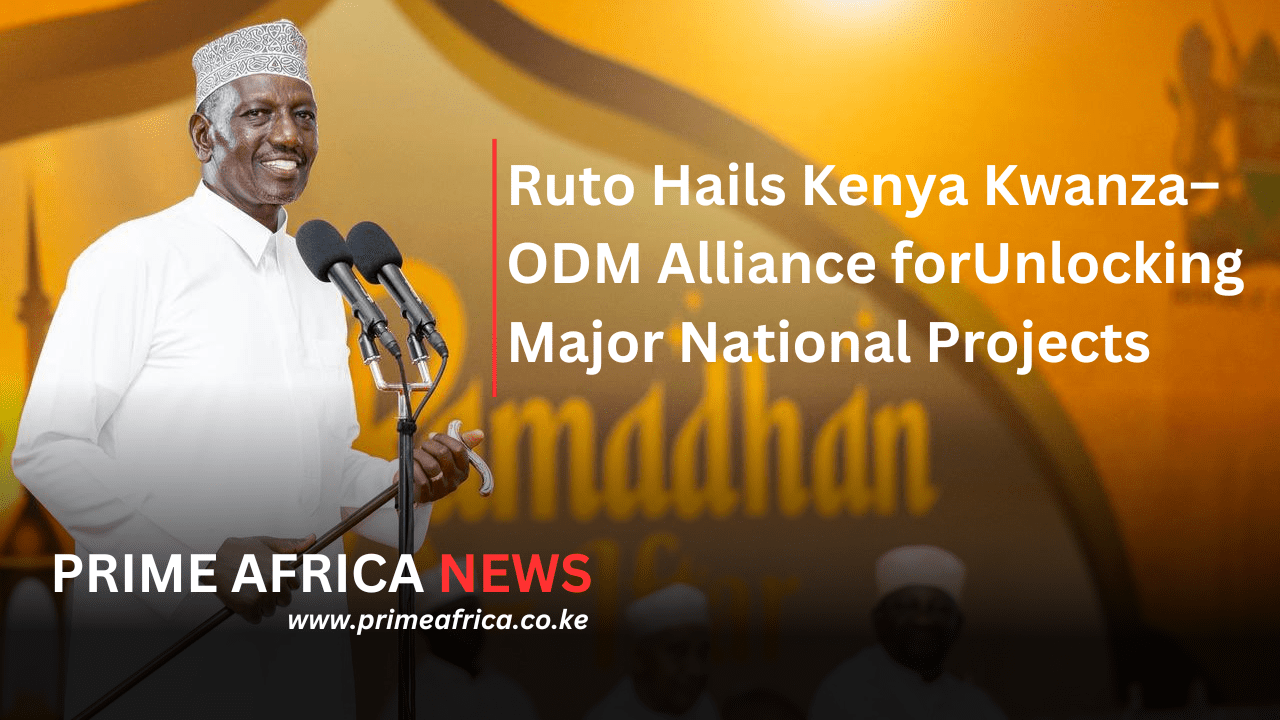

Mombasa, Kenya – William Ruto has credited the Broad-Based Government for enabling what he described as some of the most consequential legislation in Kenya’s development history, including the establishment of the National Infrastructure Fund and the rollout of the Kenya Pipeline Company Initial Public Offering (IPO).
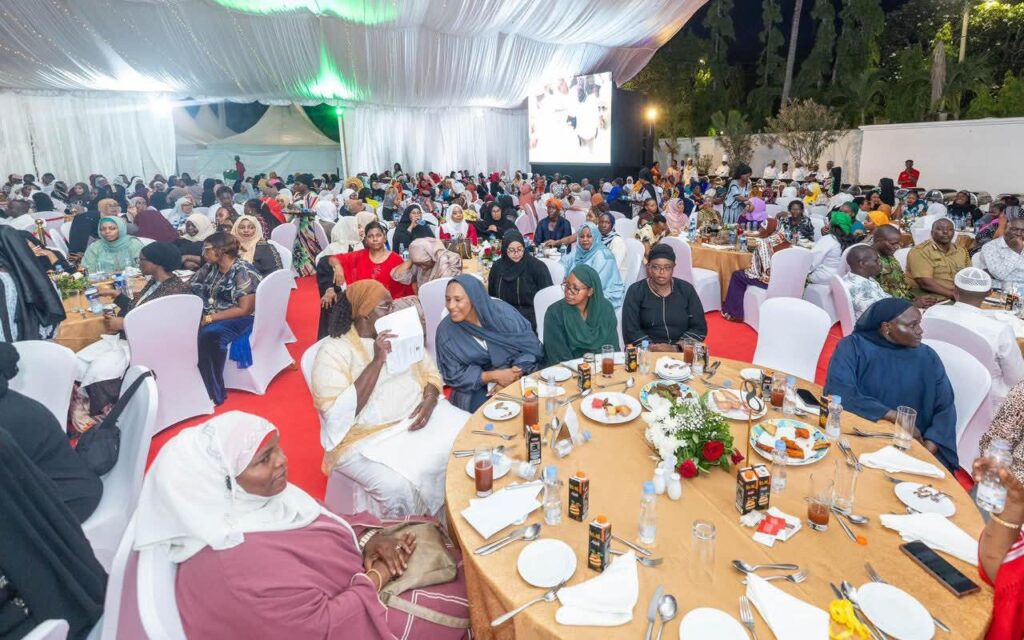
Speaking on Friday during an Iftar dinner for members of the Muslim community at State House Mombasa, the President said the cooperation between the ruling Kenya Kwanza Alliance and the opposition Orange Democratic Movement had created the political goodwill necessary to push through long-delayed national projects.
According to the President, several initiatives that had remained stalled for years due to political divisions are now being implemented because of the unity forged under the Broad-Based Government.
“For those of you who may not have the responsibility of leading from a national standpoint, you don’t understand what unity can do,” President Ruto said.
President Ruto also cited the successful listing of the Kenya Pipeline Company at the Nairobi Securities Exchange as another milestone made possible through political cooperation.
He revealed that plans to privatise the company date back to the administration of former President Mwai Kibaki but had stalled for years due to a lack of consensus and political will.
“That shows you the power of unity. As a leader, I don’t take it for granted when leaders and citizens come together,” Ruto said.
The President added that bold leadership and national unity were essential in making difficult decisions that would shape Kenya’s economic future.
The President said the newly established National Infrastructure Fund would also play a crucial role in correcting decades of underdevelopment in northern Kenya.

He referenced Sessional Paper No. 10 of 1965, a post-independence policy framework that critics argue sidelined arid and semi-arid regions from major national development investments.
Under the new plan, the government has identified 12 dams to be funded through the National Infrastructure Fund, with about 60 percent of them planned for northern Kenya.
“That is the future of agricultural and food security interventions in Kenya,” the President said.
Ruto further announced that the government will continue expanding the issuance of national identity cards and passports to residents of northern Kenya who historically faced challenges accessing such documents.
“We are correcting injustices of the past, righting the wrongs meted out against fellow citizens because of prejudice,” he said.
During the Iftar gathering, President Ruto reassured Kenyan Muslims that they are equal citizens whose participation in government and national life is a constitutional right.
“As Muslims, the positions you hold in government today are not favours; they are rights you are entitled to as all other citizens of Kenya,” he said.
At the same time, the President urged Muslim religious leaders to work with the government in tackling rising cases of drug and alcohol abuse among young people.
He warned that the growing vice poses a serious threat to Kenya’s youth and the country’s future.
“I ask religious leaders and parents to pray and protect our children, and to also take the necessary steps so that we don’t lose the future of our nation,” President Ruto said.
The remarks come as the government intensifies social and economic reforms aimed at strengthening national cohesion, expanding infrastructure, and addressing long-standing regional inequalities.
About The Author