
NAIROBI, Kenya – African leaders, scientists, and policymakers have called for urgent and coordinated action to protect the continent’s oceans from the escalating impacts of climate change, pollution, and overfishing, warning that millions of livelihoods and coastal communities are increasingly at risk.
The appeal was made during the 9th Session of the UNESCO Intergovernmental Oceanographic Commission Sub-Commission for Africa and Adjacent Island States (IOCAFRICA), which brought together representatives from 38 African member states to discuss sustainable ocean management and the future of Africa’s blue economy.
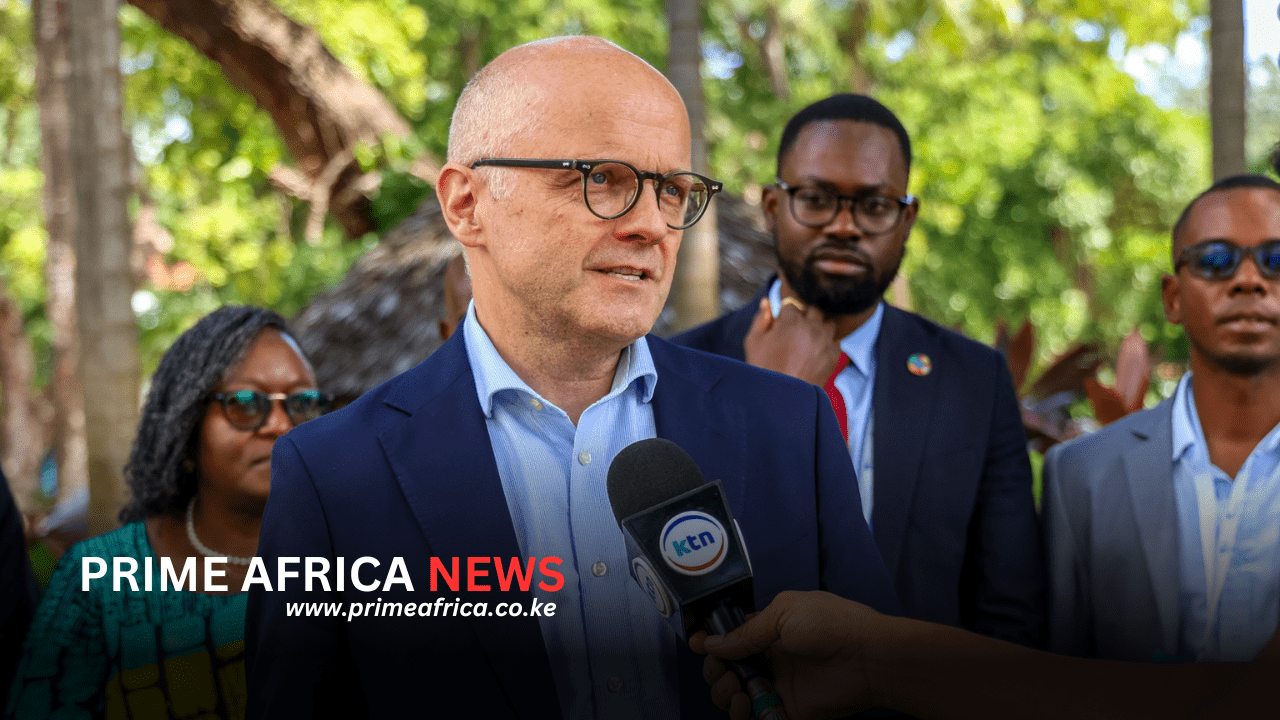
Speaking at the gathering, Vidar Helgesen, Executive Secretary of UNESCO’s Intergovernmental Oceanographic Commission, said Africa’s oceans are facing unprecedented pressures from climate change, biodiversity loss, pollution, and unsustainable fishing practices.
“Africa is surrounded by three oceans. The question before us is how we can best utilize the opportunities they provide while safeguarding them for future generations,” Helgesen said.
He noted that changing ocean conditions are already affecting coastal communities, with fishermen reporting declining fish stocks and shifts in marine ecosystems. Climate change, he added, is disrupting weather patterns across the continent, while pollution and overfishing continue to threaten marine biodiversity and economic stability.
“The ocean is one. It is shared,” Helgesen emphasized, stressing that many challenges affecting African coastal nations originate beyond national borders and require stronger international cooperation.
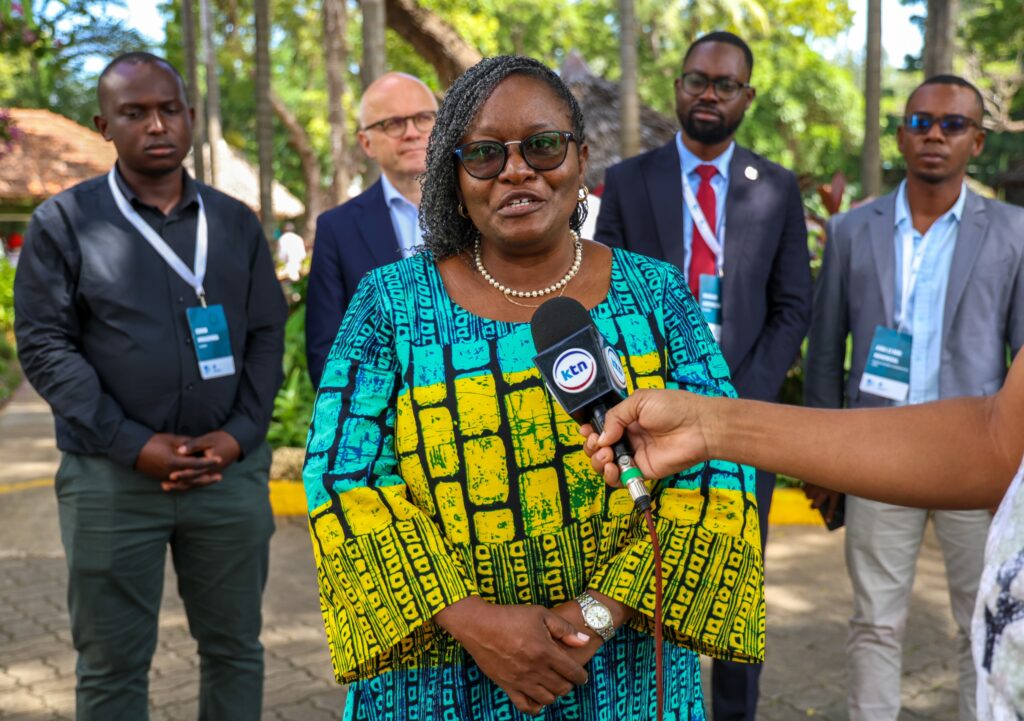
Chair of IOCAFRICA, Hellen Gichuhi, said the meeting aimed to ensure Africa’s priorities are reflected in global discussions on ocean governance and resource management.
“Africa wants equity. Africa wants good governance. Africa wants to be able to access and sustainably utilize its resources,” she said.
Gichuhi highlighted key challenges facing the continent, including climate change, coastal erosion, degradation of mangrove ecosystems, and declining fish populations. She underscored the importance of scientific research and evidence-based policymaking in addressing these issues.
“We need data collection, and we need to be able to use that data to make informed decisions because science-based decisions will ultimately benefit communities,” she said.
A major focus of the discussions was marine spatial planning, a management tool designed to help governments allocate and utilize ocean resources sustainably while balancing environmental, social, and economic interests. Several African countries have already begun developing or finalizing marine spatial plans with support from IOCAFRICA.
Meanwhile, IOCAFRICA Secretariat Head Ibukun Adewumi described the meeting as a critical platform for African nations to identify shared priorities for ocean conservation and blue economy development.
He said scientific research, ocean observation systems, and accessible marine data are essential for developing practical solutions, including early warning systems that can help fishermen and coastal communities prepare for hazardous ocean conditions.
Adewumi also called for greater investment in youth participation within the blue economy, emphasizing innovation, entrepreneurship, and technology-driven solutions.
“We understand that we have a generation of African youth that are capable, innovative, and able to transform the ocean space,” he said.
Despite the challenges facing the continent’s marine environment, Adewumi rejected suggestions that Africa lacks sufficient information to address ocean-related issues, arguing that the continent possesses substantial data resources but needs stronger systems for data management, interpretation, and sharing.
The three-day meeting is expected to produce recommendations aimed at strengthening ocean governance, advancing marine science, and accelerating sustainable blue economy initiatives across Africa and its island states.
As climate-related impacts on oceans continue to intensify, delegates agreed that stronger regional cooperation, science-driven policies, and sustainable resource management will be critical to safeguarding Africa’s marine ecosystems and securing the livelihoods of future generations.
About The Author