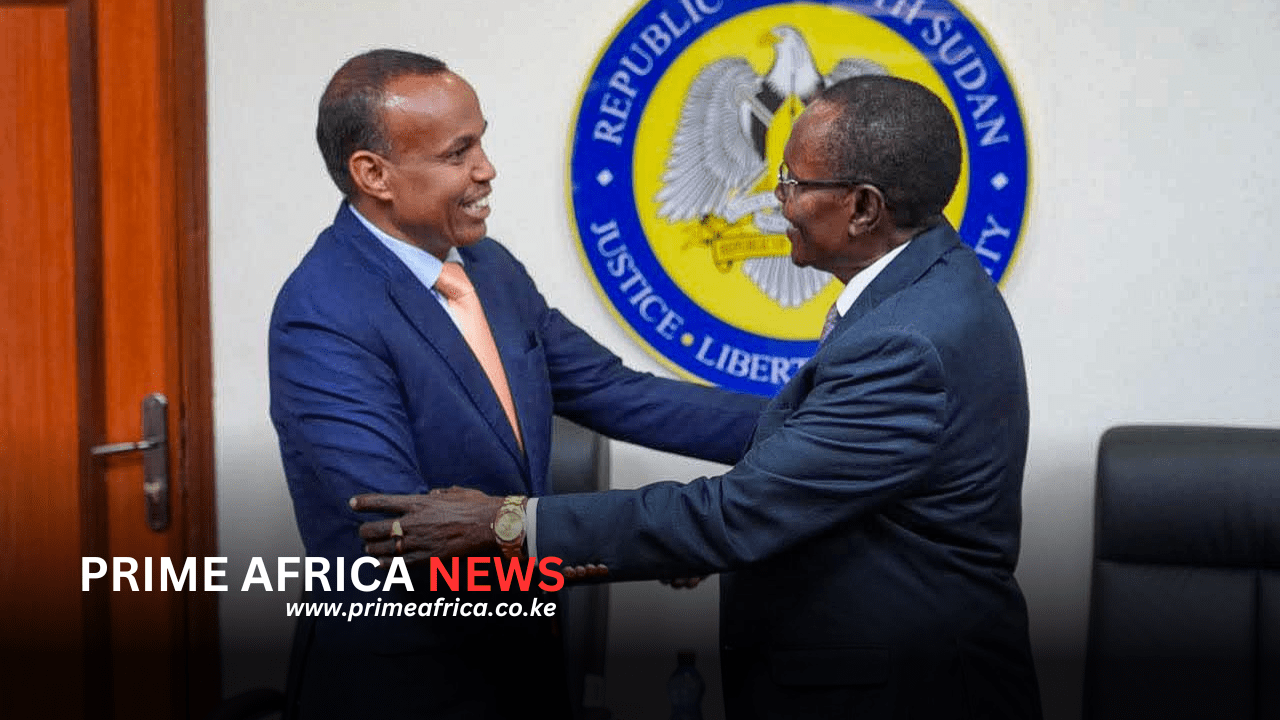

JUBA, South Sudan – The Intergovernmental Authority on Development (IGAD) has called on South Sudanese citizens to actively participate in the country’s constitution-making process, emphasizing that a permanent constitution must reflect the aspirations, values, and collective vision of all South Sudanese.
The National Constitutional Review Commission (NCRC) Civic Education and Public Constitutions Workshop supported by Max Planck Foundation for International Peace and the Rule of Law organized under the theme: “Together for a People Driven Constitution,” brought participants from different Institutions including Judiciary, Public Attorneys, Bar Association, Accademia, Federation of Women Lawyers, Persons with disability, and the implementing partners.
Speaking at the opening of a workshop on civic education and public participation in the constitution-making process in Juba, IGAD Special Envoy to South Sudan, Ambassador Moussa Jama Ali, described constitution-making as a critical nation-building exercise that goes far beyond drafting legal provisions.
“Constitution-making is much more than a legal exercise. It is fundamentally a nation-building process,” Ambassador Ali said. “For a young nation such as South Sudan, the importance of a permanent constitution cannot be overstated. It is the social contract through which communities and citizens express their shared commitment to live together in peace, dignity, and mutual respect.”
The workshop was organized by the National Constitutional Review Commission (NCRC) with support from the Government of Japan, the Max Planck Foundation, and UN Women. Ambassador Ali commended the NCRC for advancing one of the most important tasks of the country’s transitional period and praised Japan for its continued support to peacebuilding, democratic governance, and institutional development in South Sudan.
He stressed that the legitimacy of a constitution depends not only on its content but also on how it is developed.
“The process determines its legitimacy, credibility, and public ownership,” he said. “Citizens must understand the process, contribute their views, and see their aspirations reflected in the final outcome. A constitution that belongs to the people is more likely to be respected, defended, and sustained by the people.”
The IGAD envoy said civic education and public consultations are essential to ensuring an inclusive and participatory process, adding that IGAD remains committed to supporting the constitutional review process and broader implementation of South Sudan’s revitalized peace agreement.
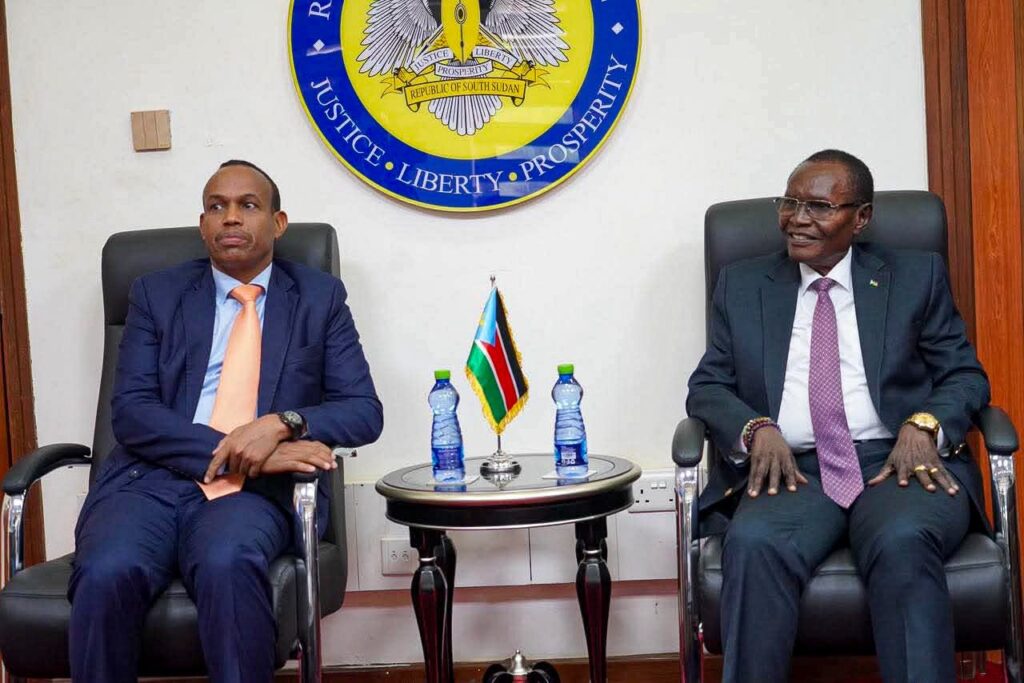
Reflecting on South Sudan’s history, Ambassador Ali noted that the same resilience and unity that led to the country’s independence must now be directed toward achieving lasting peace, national cohesion, and development.
“The future of South Sudan will be built through dialogue, compromise, and reconciliation,” he said. “It is time to set aside differences and focus on the common challenges facing the nation.”
He urged political leaders, stakeholders, and citizens to remain committed to peace and work together toward a shared national vision.
“If South Sudanese can come together around a common vision for their country, there is every reason to be optimistic about the future,” Ambassador Ali added.
South Sudan is currently undertaking a constitution-making process under the framework of the Revitalized Agreement on the Resolution of the Conflict in South Sudan (R-ARCSS), a key milestone expected to lay the foundation for democratic governance and long-term stability.
About The Author