
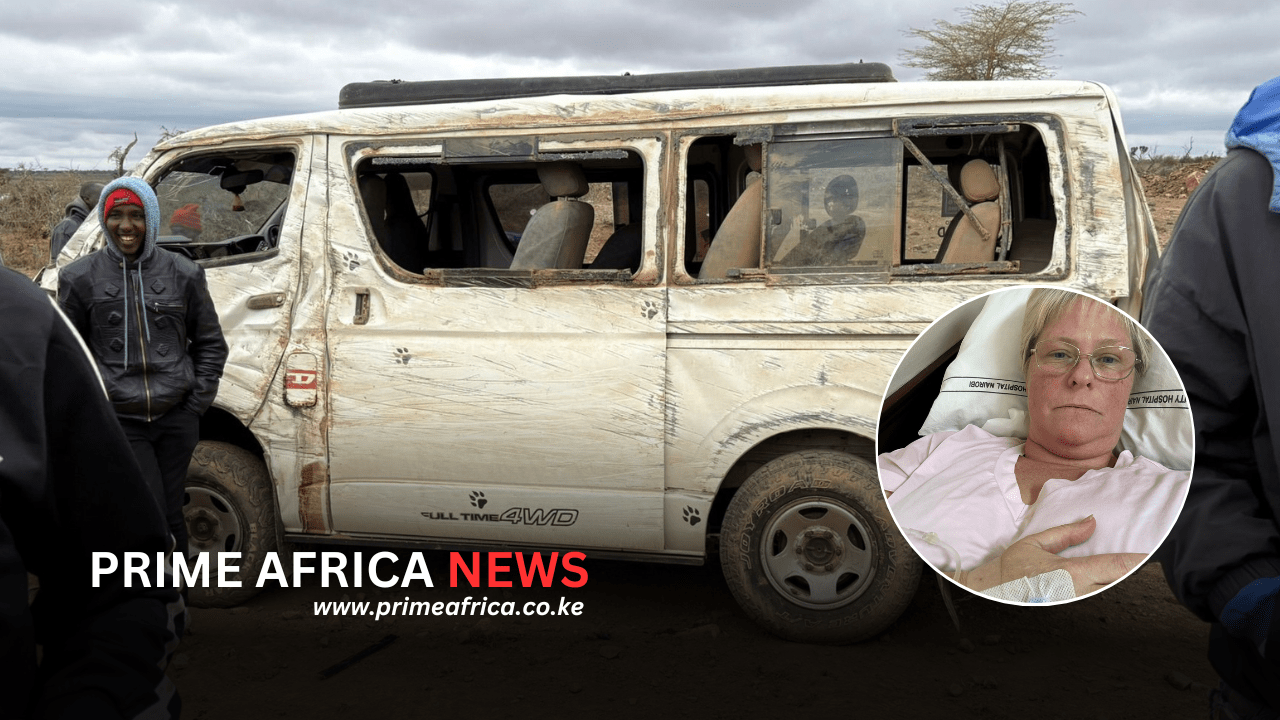

NAIROBI, Kenya – What began as a dream safari project destined for Kenya’s Maasai Mara and other world-class tourist destinations turned into a nightmare that two Swedish friends say will remain etched in their memories forever.
Kenya, globally renowned as a leading tourism destination, now risks damage to its reputation over what some tourists describe as conmanship, negligence, and unprofessionalism. Among them are Swedish nationals Ulrika Persson and Iris Hassan, who narrowly escaped death during a much-anticipated Maasai Mara safari they had long planned.
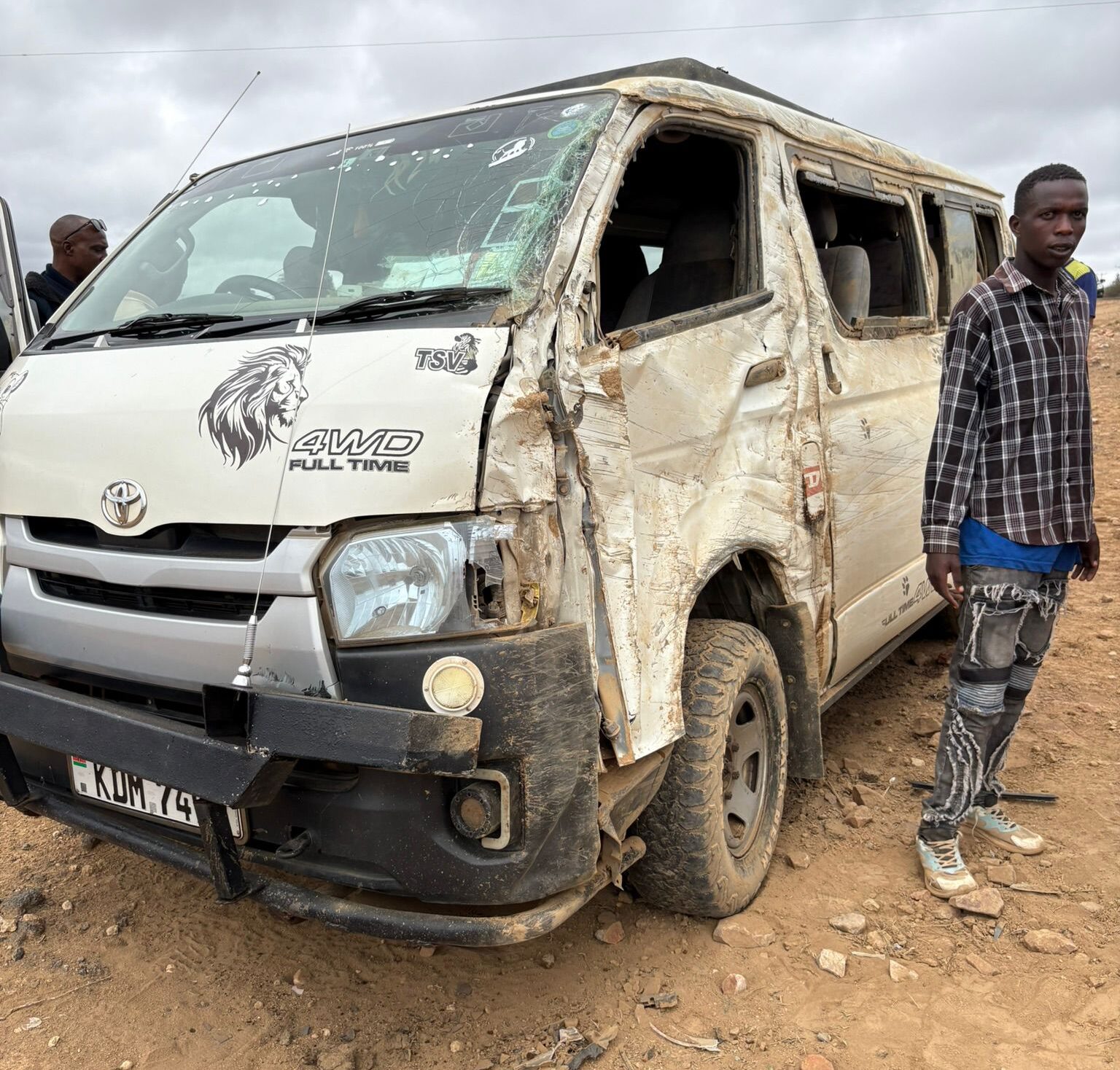
Documents from credible sources reviewed by Prime Africa indicate that a white tour van, registration number KDM 749W, registered to Peter Kinyanjui Gicheha, was involved in a self-inflicted accident along the Narok–Maasai Mara Road on October 28, 2025. The crash severely injured the two Swedish nationals, who were later airlifted to Nairobi for specialized treatment.
According to Ulrika Persson, one of the victims, the problems began even before the journey started. She said they were asked by the driver who came to pick them up to clear their remaining balance before boarding the vehicle. However, after complying, they were met with what they described as unprofessional service, leaving them questioning whether they had made the right decision by booking their safari with Chenggong Tours.
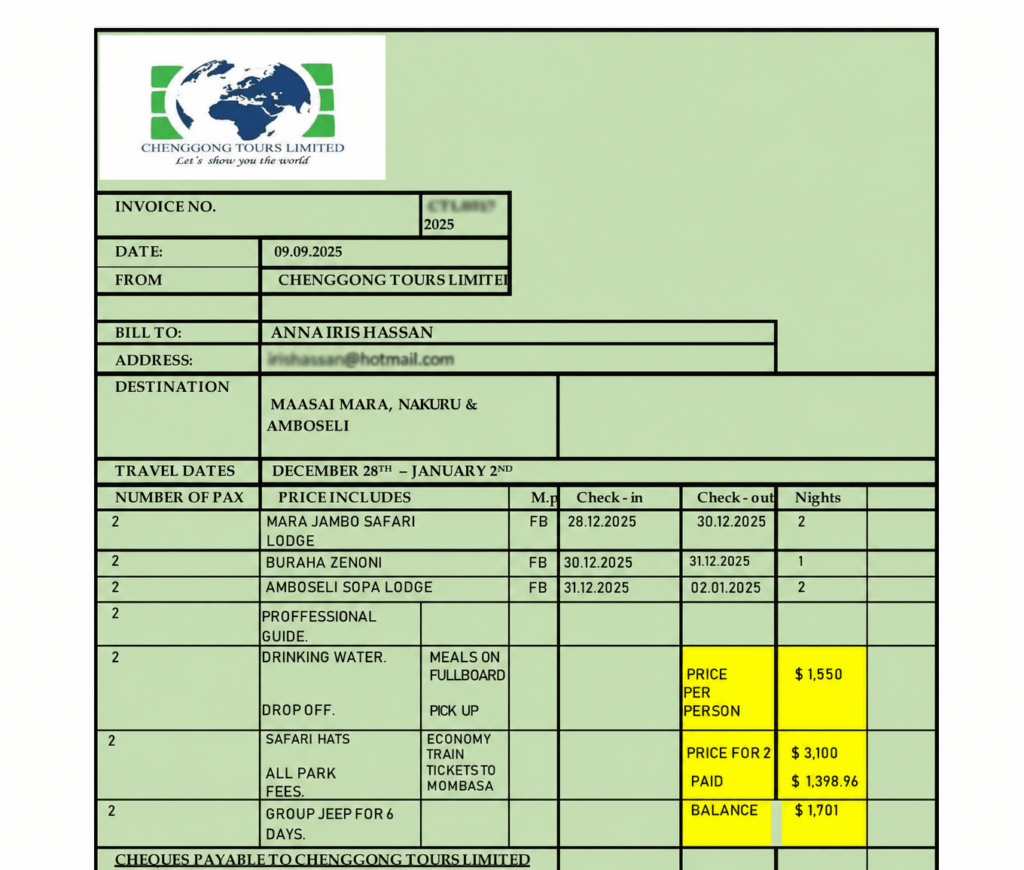
“We agreed on the price and what was going to be included. But then this is when it started to become a problem. Suddenly, the company Chenggong Tours reached out and demanded more payment for what we had already agreed on. They had a lot of excuses why they were charging us more money,” Ulrika told Prime Africa.
Despite their disappointment with the tour company, the two tourists proceeded with the safari, only to encounter additional concerns regarding safety and the condition of the vehicle.
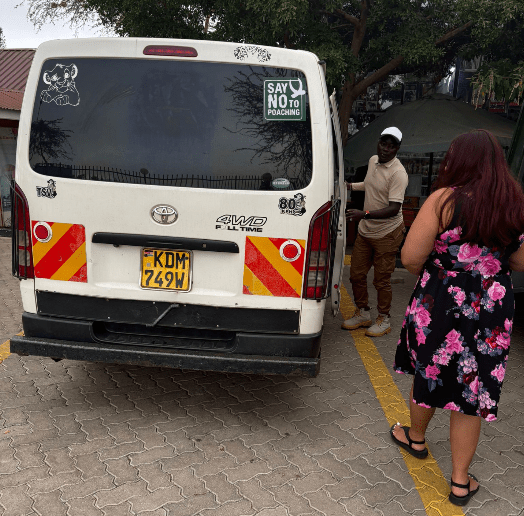
The tourists alleged that the safari vehicle provided did not meet their expectations. During the journey to the Maasai Mara region, they reported several issues, including water leaking through the roof during heavy rainfall and malfunctioning seatbelts.
“After a few hours of driving, it started raining heavily and water seeped through the roof, making me wet. I asked Brian to fix the roof, but he just told me to take another seat further back in the van. I changed my seat and noticed that the seatbelt didn’t work. As soon as the rain stopped, I moved back to my original seat and put the seatbelt on,” she added.
According to their account, the driver later appeared distracted and drove recklessly before losing control of the vehicle. They alleged that after the vehicle veered toward pedestrians walking along the roadside, the driver made a sudden maneuver that caused the safari van to overturn.
“Not long after we left Narok, we noticed that Brian was driving very recklessly and seemed distant when we talked to him. Suddenly, he started moving too close to the edge of the road, where there were many women and children walking. Iris shouted, ‘What are you doing?’ It was as though Brian snapped out of whatever state he was in and realized he was about to hit the people on the roadside. He forcefully changed direction, and we entered the opposite lane at very high speed. Brian then lost control of the van, which started wobbling from side to side before flipping onto its left side. I was sitting on that side and hit the ground really hard. The van then slid several hundred metres before coming to a stop,” Ulrika recounted.
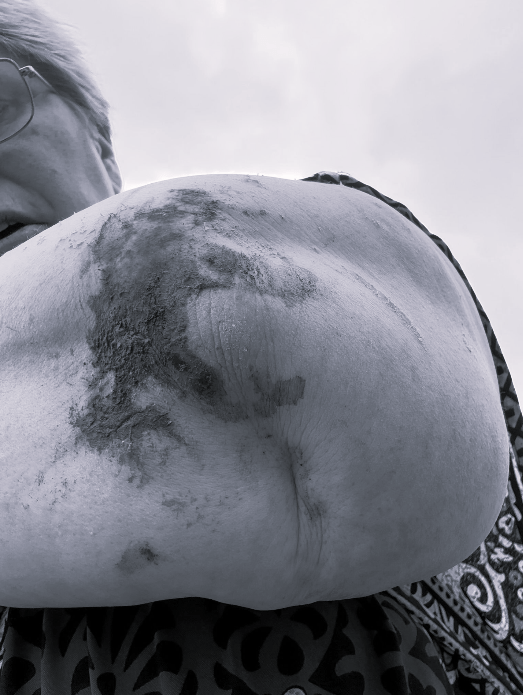
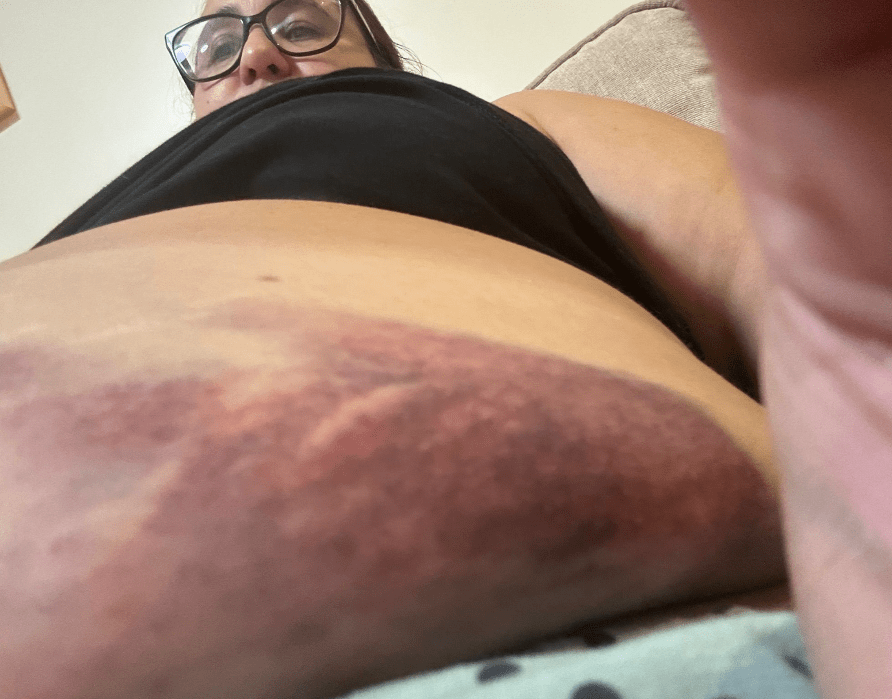
According to Kenya’s Tourism Regulatory Authority (TRA), a compliant tour van must meet strict requirements covering vehicle condition, passenger safety equipment, legal licensing, insurance, and professional operating standards to ensure safe and responsible safari travel.
The treatment and experiences that the two tourists say they endured before and after the accident have raised concerns about tourist safety, consumer protection, and regulatory oversight within Kenya’s multi-billion-shilling tourism industry.
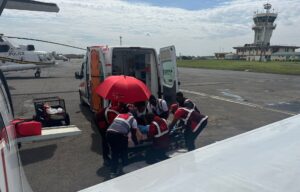
Persson and Hassan said they sustained serious injuries during the accident and were assisted by fellow travellers and members of the public at the scene. They claimed that emergency responders did not arrive immediately after the incident. The two were later taken to Narok County Referral Hospital for treatment before being evacuated to Nairobi through arrangements facilitated by SOS International and AMREF Flying Doctors.
Prime Africa News reviewed supporting documentation provided by the tourists, including medical bills and treatment records from Aga Khan University Hospital in Nairobi, AMREF Flying Doctors, and Narok County Referral Hospital, as well as an invoice issued by Chenggong Tours for the safari package. The documents substantiate the tourists’ claims that they incurred medical and related expenses following the accident. However, questions of liability and any compensation due remain subject to the tour operator’s response, applicable insurance provisions, and any relevant legal or regulatory processes.
The two tourists have since raised concerns about consumer protection and regulatory oversight within Kenya’s tourism industry after a safari accident they claim left them injured and without compensation several months later.
In a bid to clarify the allegations, Prime Africa sent an inquiry letter to the director of Chenggong Tours. As of the date of publication, no response had been received.
Under Article 46 of the Constitution of Kenya (2010), tourists are legally entitled to consumer protection and may be entitled to compensation where loss or injury arises from defective goods or services.
- Article 46(1)(c) guarantees consumers the right to protection of their health, safety, and economic interests.
- Article 46(1)(d) guarantees consumers the right to compensation for loss or injury arising from defects in goods or services.
Prime Africa News established that as of June 15, 2026, the two tourists had not received compensation for the cancelled safari or reimbursement for expenses incurred as a result of the accident. According to Persson and Hassan, representatives of the company later indicated that any compensation would depend on the outcome of an insurance claim.
During its investigation, Prime Africa also established that numerous complaints have been lodged against Chenggong Tours by tourists who invested significant savings to visit Kenya for their holidays.
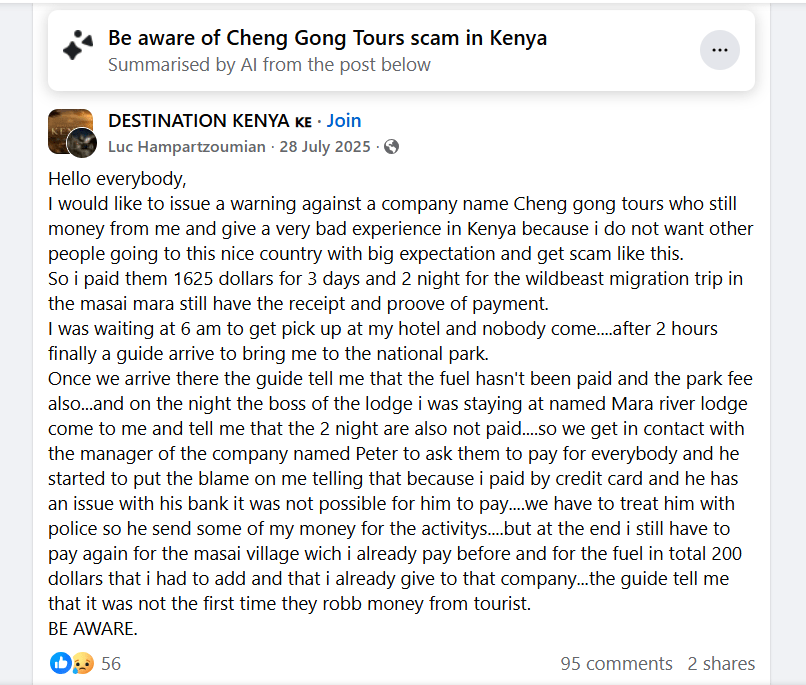
For instance, a public warning was posted on Facebook in July 2025 by a concerned customer, months before the Narok accident. The warning alleged dissatisfaction with the company’s services and highlighted concerns similar to those raised by the Swedish tourists.
The case highlights the importance of effective regulatory enforcement, accountability, and consumer protection within Kenya’s tourism sector as the country continues to position itself as a leading global travel destination. It also raises broader questions about safety standards, service quality, and the mechanisms available to protect visitors who experience harm while travelling in Kenya.
Editor’s Note: The allegations presented in this article reflect the accounts of the individuals involved. Prime Africa reviewed documentation relating to the tourists’ medical treatment and safari booking; however, Chenggong Tours had not responded to requests for comment at the time of publication. Any response received subsequently will be incorporated to ensure balanced reporting.
About The Author

