
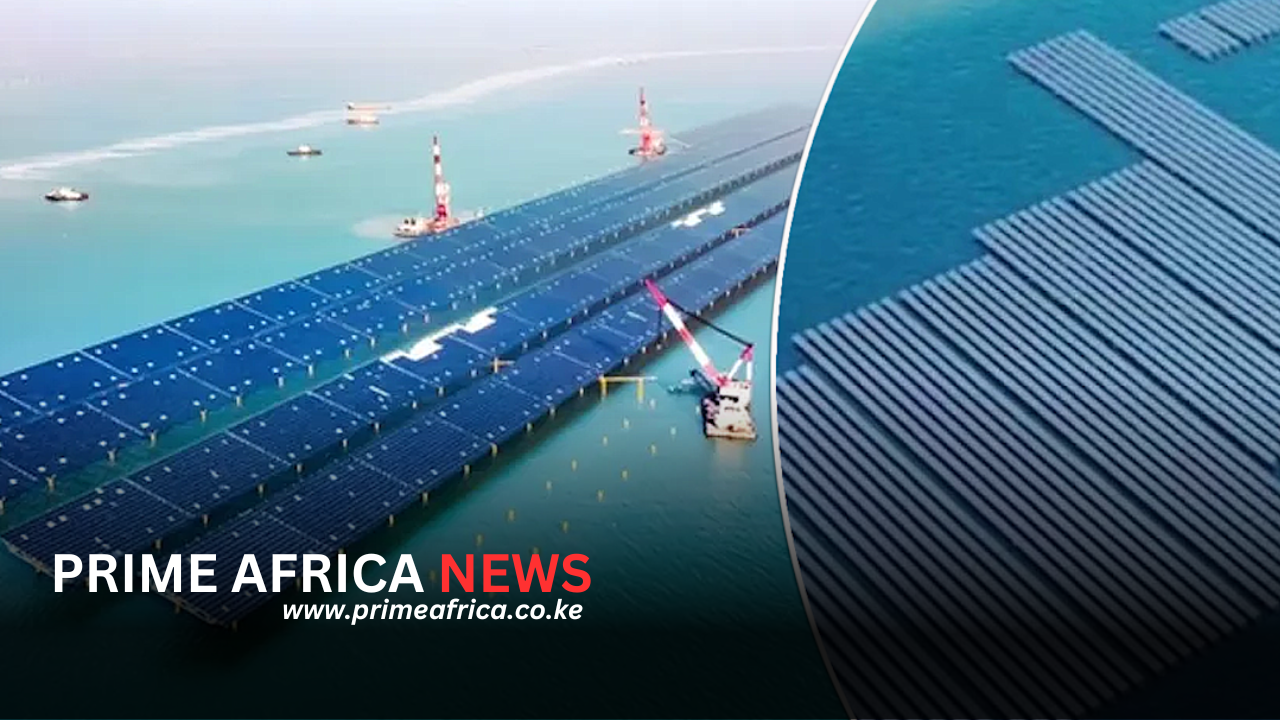

Covering an expansive 60,000 square meters, the plant boasts a capacity of 7.5 megawatts and is equipped with specially designed solar panels that float atop the ocean surface. These panels are engineered to endure the harsh maritime environment, including salt corrosion and constant wave activity.
What sets this project apart is its advanced floating structure, which allows the solar panels to rise and fall with ocean swells. This motion, far from being a hindrance, actually enhances energy capture. Experts estimate that the dynamic movement boosts power generation efficiency by 5 to 8 percent compared to traditional land-based systems.
According to energy officials, the innovation reflects China’s growing commitment to clean energy and coastal adaptation. By utilizing marine space for energy production, the country is not only diversifying its power sources but also setting a model for global climate resilience.
This pioneering technology could have significant implications for African coastal nations as they explore green energy alternatives. Floating solar farms present new opportunities for countries with limited land availability but extensive water bodies, including lakes, reservoirs, and coastal regions.
China’s move signals a future where renewable energy is not bound by geography, offering valuable lessons for Africa’s own energy transition.
About The Author

