
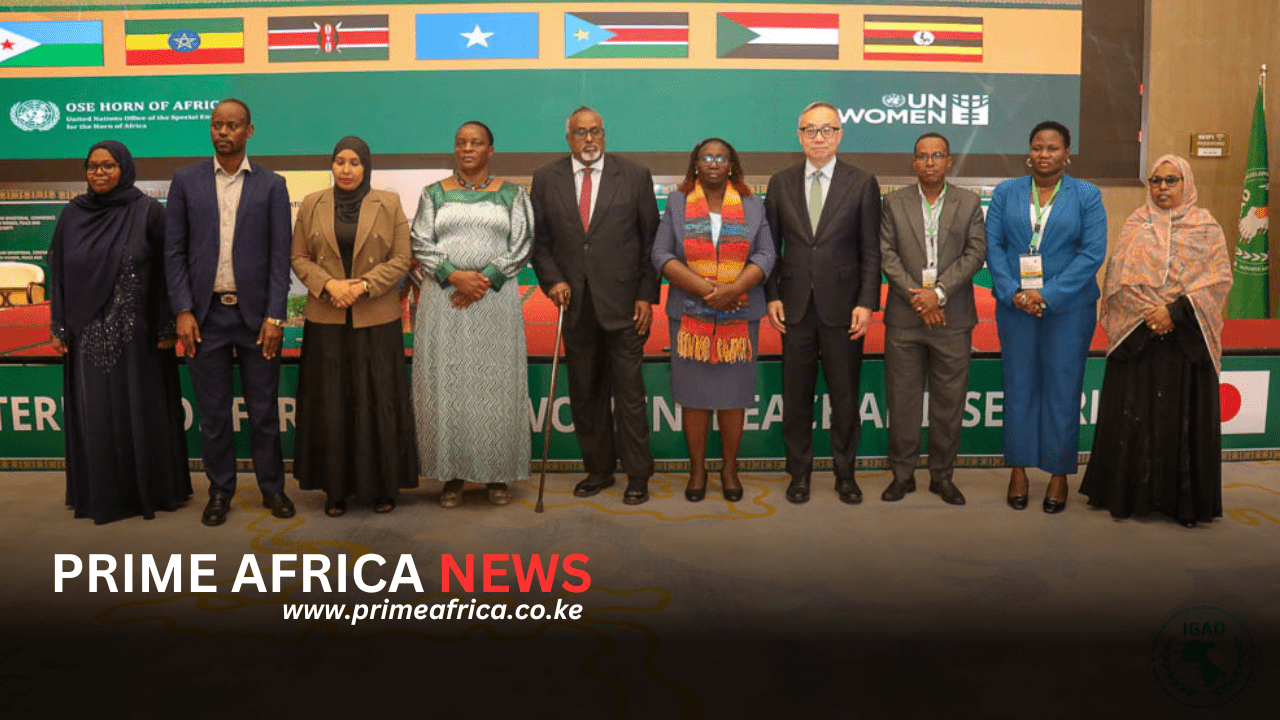

Nairobi, Kenya — Leaders, policymakers, and regional partners convened in Nairobi for a 3 days high-level Ministerial Conference on Women, Peace and Security (WPS), underscoring the urgent need to translate commitments into measurable action across the Horn of Africa. The gathering, held under the auspices of the Intergovernmental Authority on Development (IGAD) and supported by UN Women, brought together ministers, diplomats, and development partners to strengthen women’s leadership in peacebuilding and security processes.
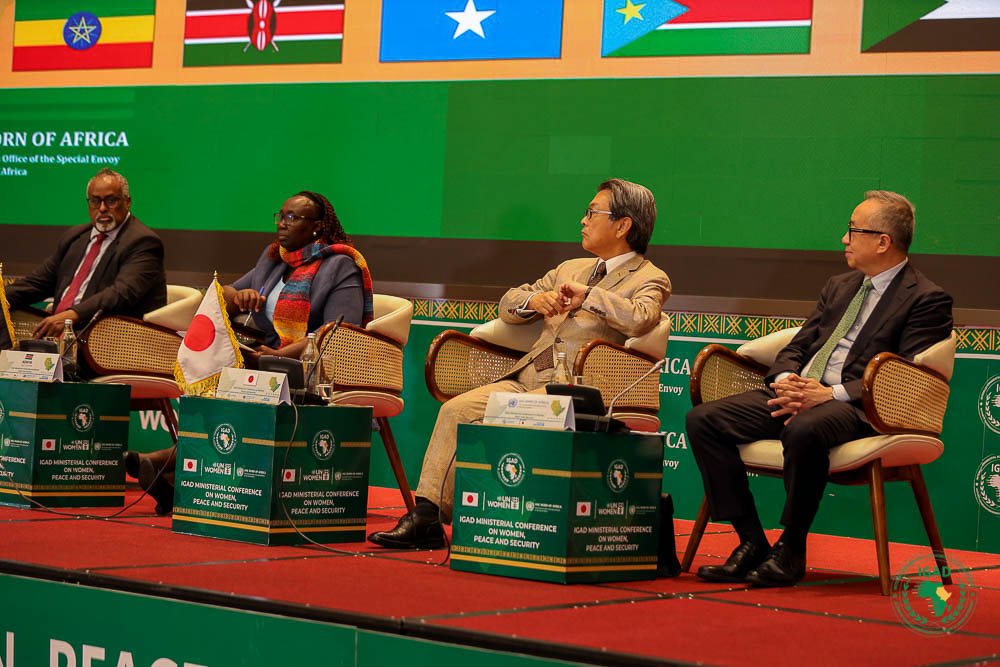
The meeting brought together ministers, senior government officials, United Nations representatives, and development partners to strengthen inclusive peacebuilding frameworks across IGAD member states. The 0fficials emphasized that these impacts are not gender-neutral. Women and girls face heightened risks of exploitation, exclusion, and violence, particularly when they are absent from decision-making on ceasefires, humanitarian aid, and recovery efforts.
Speaking at the conference, IGAD Deputy Executive Secretary Mohamed Ware said the Horn of Africa continues to face persistent conflicts, political instability, climate shocks, and mass displacement — disproportionately affecting women and children.
According Mohamed more than 25 million people across East and the Horn of Africa are forcibly displaced, including over 18 million internally displaced persons and 6 million refugees and asylum seekers. Women and children account for more than half of those affected.
“None of us need reminding of the pressures facing the Horn of Africa and the wider IGAD region. Conflicts that have persisted for years with no resolution in sight,” Mohamed Ware said.
Ware further noted that despite being disproportionately affected by conflict, women and young people remain underrepresented in formal peace negotiations and mediation efforts.
However, he emphasized their critical role at the community level, where they often help sustain peace in fragile environments.
“They broker local ceasefires at community checkpoints when the formal process has fallen silent. They hold social fabric together when institutions cannot reach far enough,” he said.
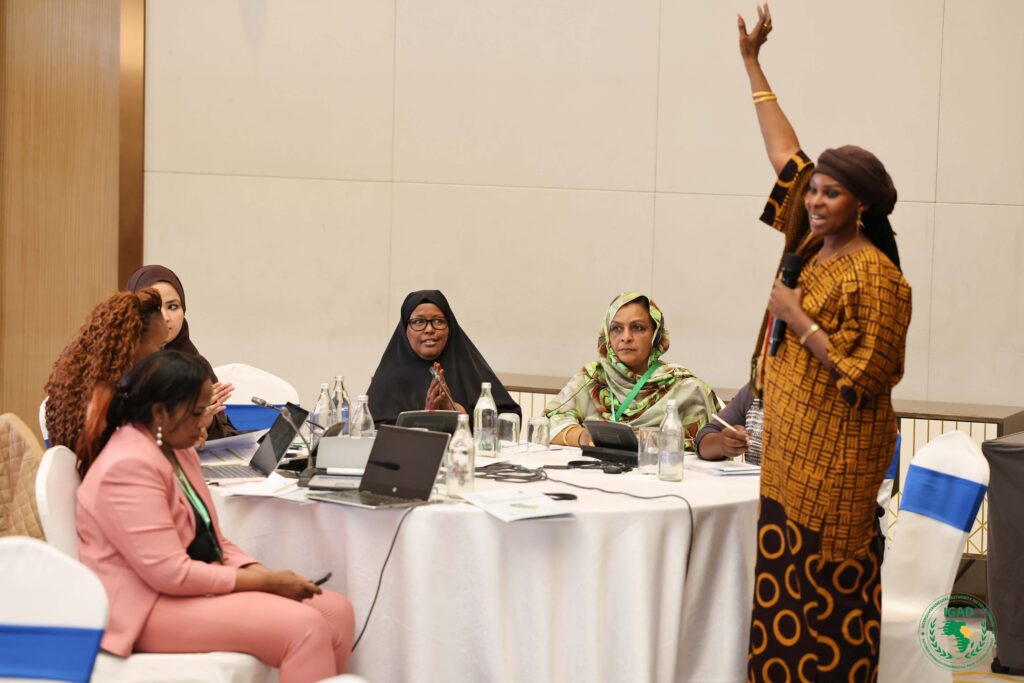
Despite systemic barriers, Leaders, policymakers, highlighted the pivotal role women play in sustaining peace at community and national levels. From mediating local conflicts to maintaining humanitarian access, women across the region are already shaping peace outcomes — often without formal recognition or adequate support.
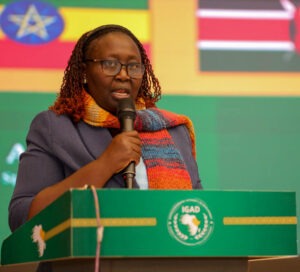
Kenya reaffirmed its commitment to strengthening women’s leadership in peacebuilding efforts across the region. Cabinet Secretary for Gender, Culture and Children Services Hanna Cheptumo said the initiative reflects growing recognition that inclusive leadership is essential for sustainable peace.
She noted that women and girls continue to face disproportionate challenges, including armed conflict, violent extremism, displacement and climate-related insecurity, yet remain underrepresented in peace negotiations.
“This initiative reflects our collective recognition that sustainable peace in the IGAD region cannot be achieved without the full, equal and meaningful participation of women at all levels of decision making, right from the very basic at village level all the way to the national level,” Cheptumo said.
In South Sudan, women influenced the Revitalized Peace Agreement by securing gender-responsive provisions. In Somalia, women organized as the “Sixth Clan,” asserting political rights and influencing dialogue processes. In Sudan, women’s networks continue to deliver humanitarian aid, document human rights violations, and advocate for ceasefires.
Evidence presented at the conference reaffirmed that peace processes that include women are significantly more durable. Studies show agreements are 35 percent more likely to last at least 15 years when women participate meaningfully.
The conference marked consideration and launch of three major regional instruments designed to institutionalize inclusive peacebuilding:
1. IGAD Women and Youth Mediation Advisory Board
A proposed independent body that will provide strategic counsel and technical expertise to IGAD-led mediation and preventive diplomacy. The board will include eminent regional women and youth professionals and operate through a Technical Support Unit within the IGAD Secretariat.
2. IGAD Gender Statistics Strategy (2026–2030)
A framework aimed at strengthening gender-disaggregated data systems to improve policy design, track WPS implementation, and enhance accountability. Officials stressed that weak data systems reinforce inequality by rendering women’s experiences invisible.
3. Gendered Intersectionality Toolkit
A practical guide to help researchers and institutions integrate gender, age, ethnicity, displacement status, and disability into conflict analysis and early warning systems. The toolkit aims to ensure that vulnerability and exclusion are better understood and addressed.
Speakers noted that the Horn of Africa already has strong normative frameworks — including national action plans on WPS and IGAD regional policies — but faces gaps in implementation, accountability, and measurement.
Key priorities outlined include:
-
Ensuring women’s full and meaningful participation in peace processes
-
Strengthening protection and accountability mechanisms for conflict-related sexual violence
-
Investing in women’s economic resilience in displacement and climate-affected settings
-
Supporting women-led community peace initiatives
-
Strengthening gender data systems to track progress and close gaps
Representing IGAD Executive Secretary Workneh Gebeyehu, conference leaders urged member states to translate endorsements into national action by nominating qualified candidates to the Advisory Board, investing in gender data systems, and adopting intersectional research tools.
Partners — including Japan, the United Nations system, the African Union, and civil society — were called upon to provide predictable, multi-year support to sustain implementation beyond the conference.
Delegates concluded that lasting peace in the Horn of Africa is unattainable while women remain marginalized from decision-making. Far from being a special interest group, women were described as central to the region’s stability, development, and resilience.
As the conference closed in Nairobi, leaders expressed hope that the meeting would mark a turning point — one where inclusive mediation, credible data, and institutional accountability reshape peace and security efforts across the region.
About The Author

