
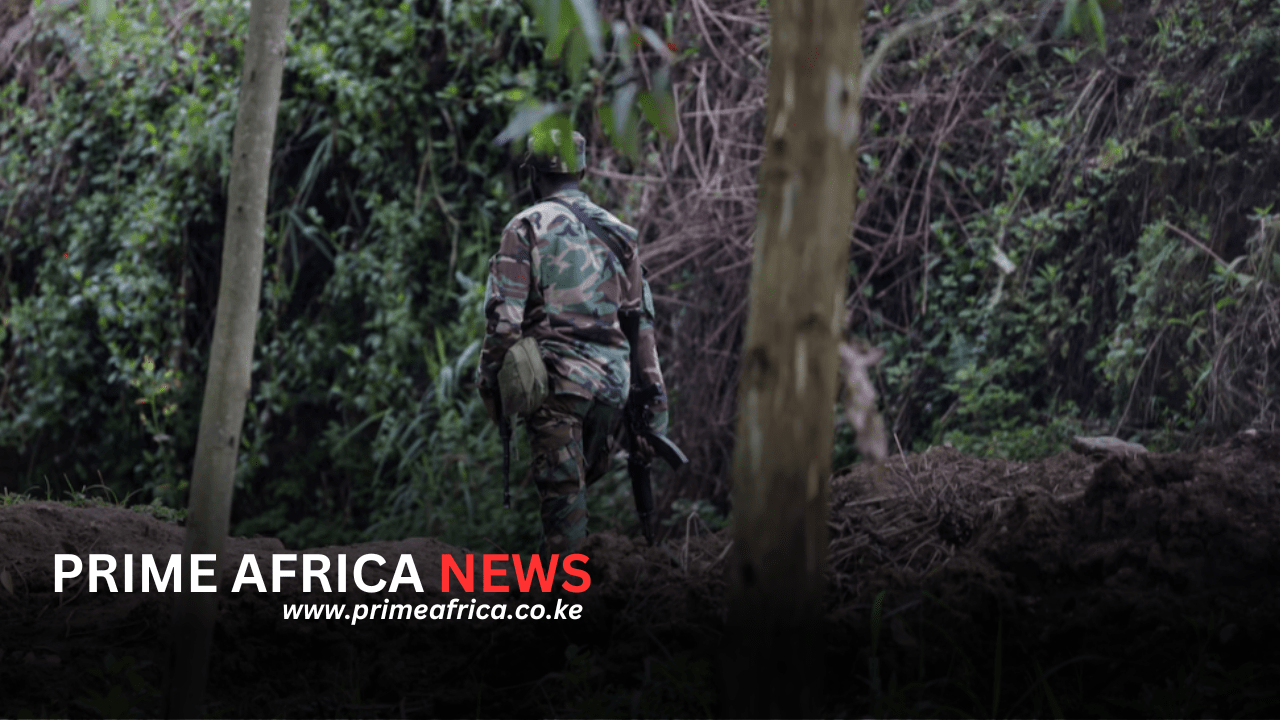

KIBUMBA, DRC – Farmers returning to their land in eastern Congo after years of displacement by M23 rebels have found an unwelcome surprise: their fields are now occupied by newcomers, including Rwandans.
The discovery has stoked fresh tensions in a region already battered by decades of conflict. Analysts warn that unresolved land disputes could complicate fragile peace efforts and deter investment in eastern Congo, home to vast deposits of strategic minerals such as coltan, cobalt, copper, and lithium.
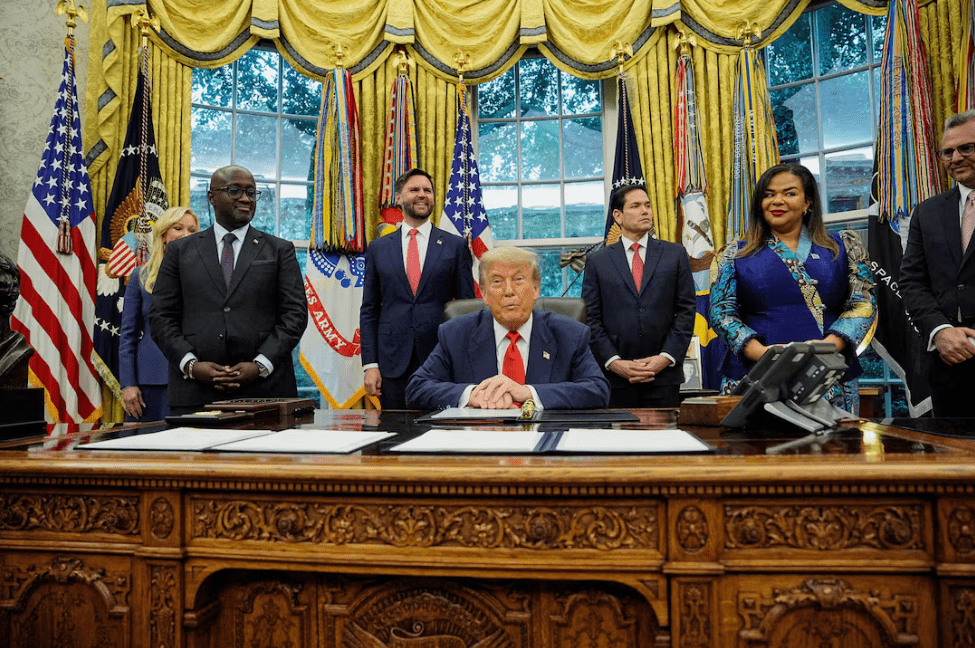
A peace deal between Rwanda and Congo, brokered by U.S. President Donald Trump’s administration in June, raised hopes of stability. Talks in Doha last month between Kinshasa and M23 were expected to cement the agreement but were delayed, leaving lingering uncertainty.
The scale of the disputes has grown so widespread that M23 has set up an “arbitration centre” to handle hundreds of complaints, according to a senior rebel official. Unpublished U.N. data reviewed by Reuters documents numerous cases of contested ownership.
“Land conflicts can always fuel violence if they are not properly addressed and if state structures are not sufficiently strong and equipped to manage them,” said Fred Bauma, head of the Congolese research group Ebuteli. “As part of the Doha agreements, this issue will have to be addressed.”
For many displaced Congolese, however, the return home has been heart-breaking.
Abdu Djuma Burunga, 49, fled Kibumba three years ago when M23 began its latest resurgence. When he returned this April, he found his wooden house in ruins and his farmland under cultivation by strangers.
“They took our belongings and occupied our fields,” Burunga said. He claims the group of newcomers, who spoke Kinyarwanda and mingled freely with M23 fighters, regularly moved back and forth across the Rwandan border. Reuters could not independently confirm their nationality.
In Kibumba, Rwandan farmer Mukumunana Penina admitted she had taken over land abandoned by Congolese. She insists she acted out of desperation rather than on rebel orders.
“This field belongs to a Congolese citizen. I don’t even know his name. I occupied it by planting potatoes there. I’m Rwandan, I only occupied this field to survive,” she said.
She is not alone. A U.N. refugee agency survey from early 2024 found that 200 families in Goma, about 10% of those polled, said they could not return to their farmland because others had taken it over.
The issue of land occupation by Rwandans is particularly sensitive. A U.N. experts’ report in July accused Rwanda of exercising command and control over M23 and seeking to expand its territorial influence. Kigali denies backing the rebels but admits to deploying troops in eastern Congo, saying they are there to counter threats from Congolese forces and ethnic Hutu militias.
A senior rebel official denied claims of widespread Rwandan land seizures, arguing that most newcomers were Congolese Tutsis who had crossed into Rwanda after the 1994 genocide and returned fearing reprisals from Hutu militias. The official conceded that some abuses had occurred but rejected accusations of an organized land-grabbing policy.
According to the official, M23’s arbitration centre has brokered compromises, with some newcomers agreeing to leave and others opting to share land with returnees.
The return of displaced families was meant to be a sign of stability after years of war. Instead, contested land rights now threaten to open another chapter of conflict in a region already scarred by cycles of displacement, militia activity, and cross-border tensions.
As peace talks stumble and accusations fly, the question of who owns Congo’s fertile land remains unresolved — and risks becoming yet another trigger for violence in the heart of Africa.
About The Author

