
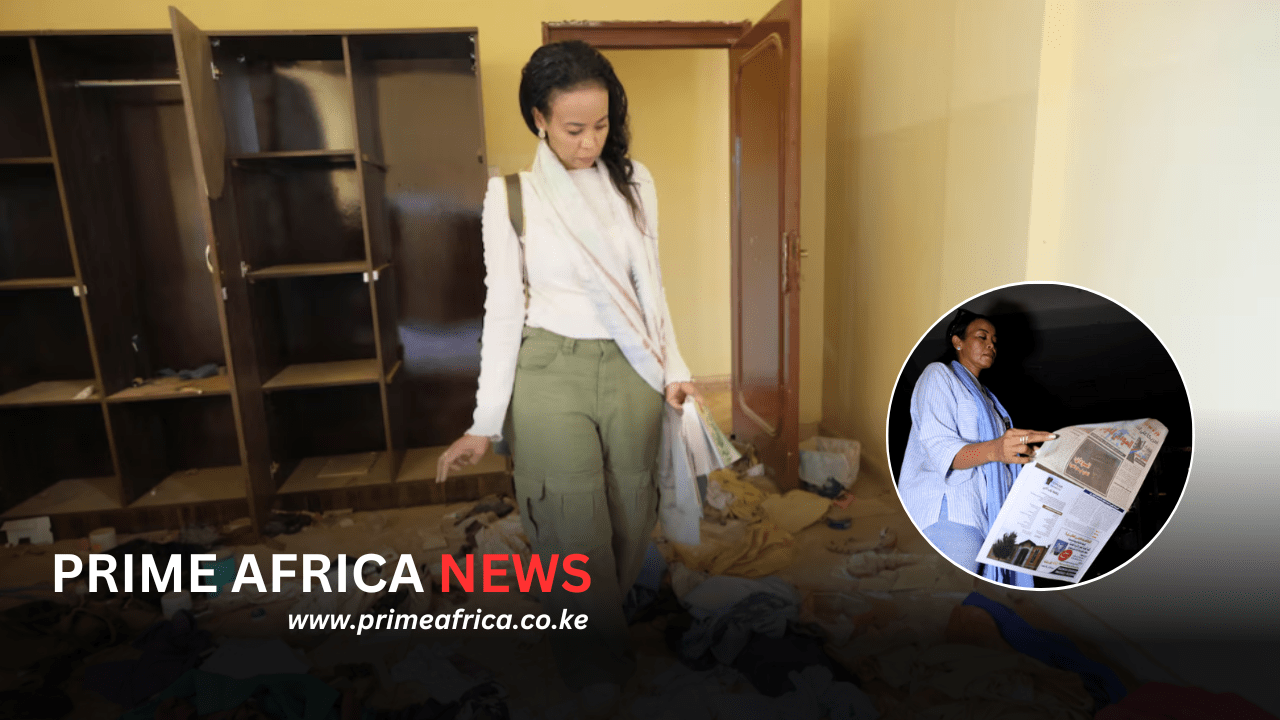

Khartoum, Sudan – When journalist Shamael Elnoor fled Sudan at the outbreak of war in 2023, the country’s newspapers were already on the brink of collapse. An economic crisis and the global shift to digital news had left many struggling. Then the fighting stopped the presses altogether.
“Since the first bullet was fired, all newspapers stopped,” Elnoor recalled, walking through a warehouse where pre-war editions now gather dust around silent printing presses.
A prominent freelance reporter known for her political coverage and reporting on Darfur, Elnoor returned to Khartoum this year after the army regained control of the capital. What she found was devastating.
“Sudanese press institutions, especially print newspapers, stopped completely and lost their ability to perform their required role,” she said.
The war between Sudan’s army and the paramilitary Rapid Support Forces (RSF) has crushed the economy, displaced half the country’s 50 million people, and claimed tens of thousands of lives. It also decimated Sudan’s media landscape just as it was emerging from decades of state control under ousted autocrat Omar al-Bashir.
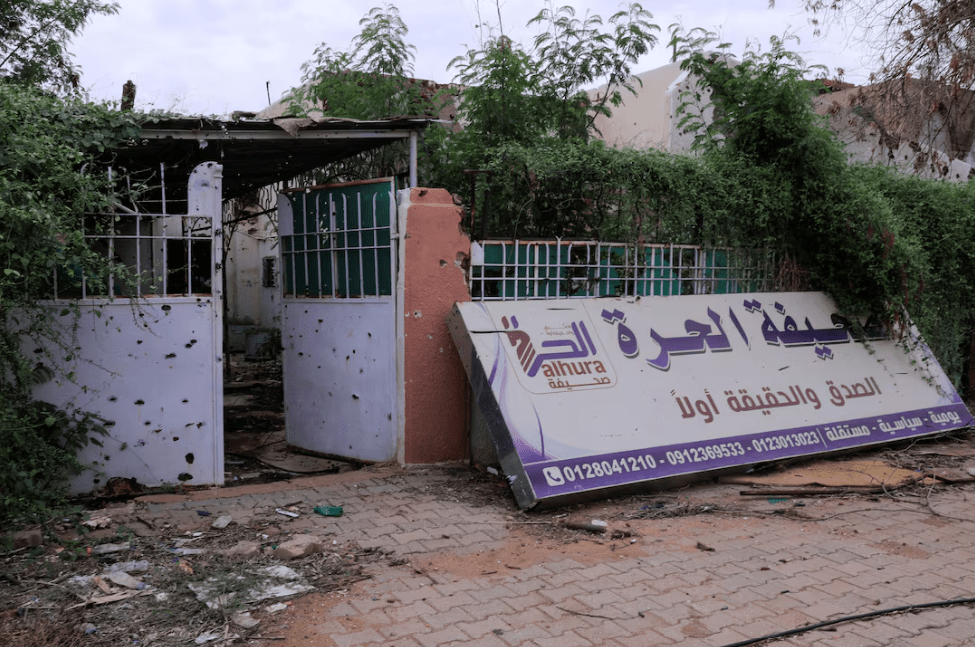
Independent newspapers, TV channels, and digital outlets had sprung up in the years before the war. But even then, financial pressure forced many publishers to shut down or scale back. The war finished the job.
According to the Sudanese Journalists’ Syndicate, since April 2023 some 27 newspapers have ceased operations, along with 32 radio stations and eight television channels. About 1,000 journalists lost their jobs. Thirty-one reporters have been killed since the fighting began, said the syndicate’s Secretary General, Mohamed Abdelaziz.
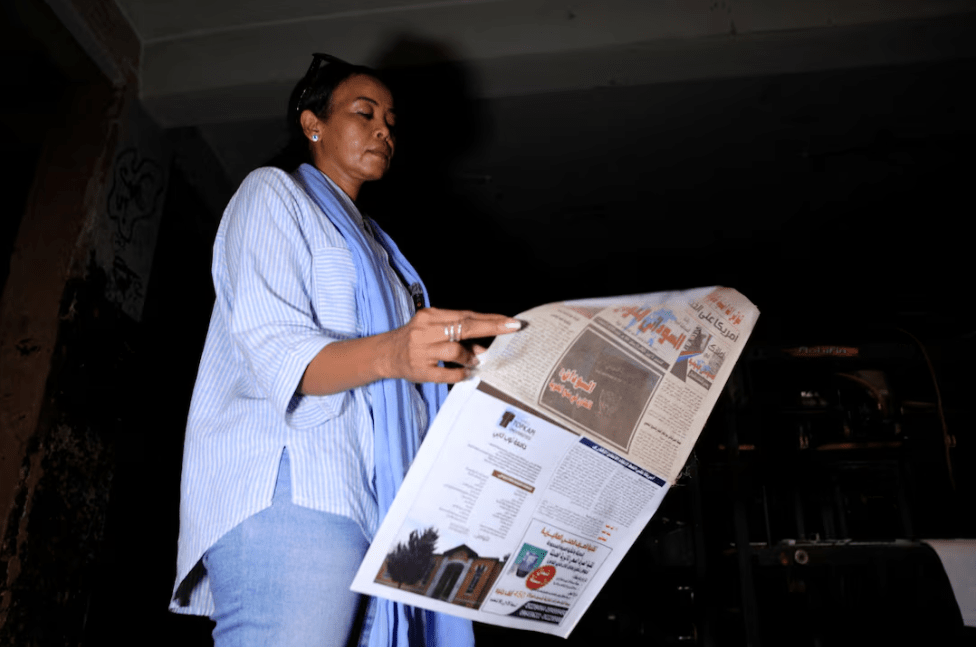
With independent media silenced, digital outlets have emerged—but most are funded by warring factions or political actors, contributing to a parallel disinformation war online.
“Ad revenues dried up as the war decimated businesses,” Elnoor said, noting how commercial collapse further crippled press operations.
Elnoor herself fled her home in Omdurman, across the Nile from Khartoum, a month after the conflict erupted. Like 14 million other Sudanese, she joined the mass displacement—first to Sennar, then to the UAE—before returning this year alongside an estimated two million others who followed the army’s recapture of Khartoum.
She found her home destroyed, and the once-bustling newsrooms deserted and looted. “That was even more painful to see,” she said.
Today, journalists still in Sudan work under suffocating conditions. Warring factions monitor their movements, require permits, and in some cases threaten or attack them.
“Without a doubt we are entering an unprecedented era when it comes to press freedom,” Elnoor reflected. “But it hasn’t yet been tested—because journalistic activity itself has declined.”
About The Author

