
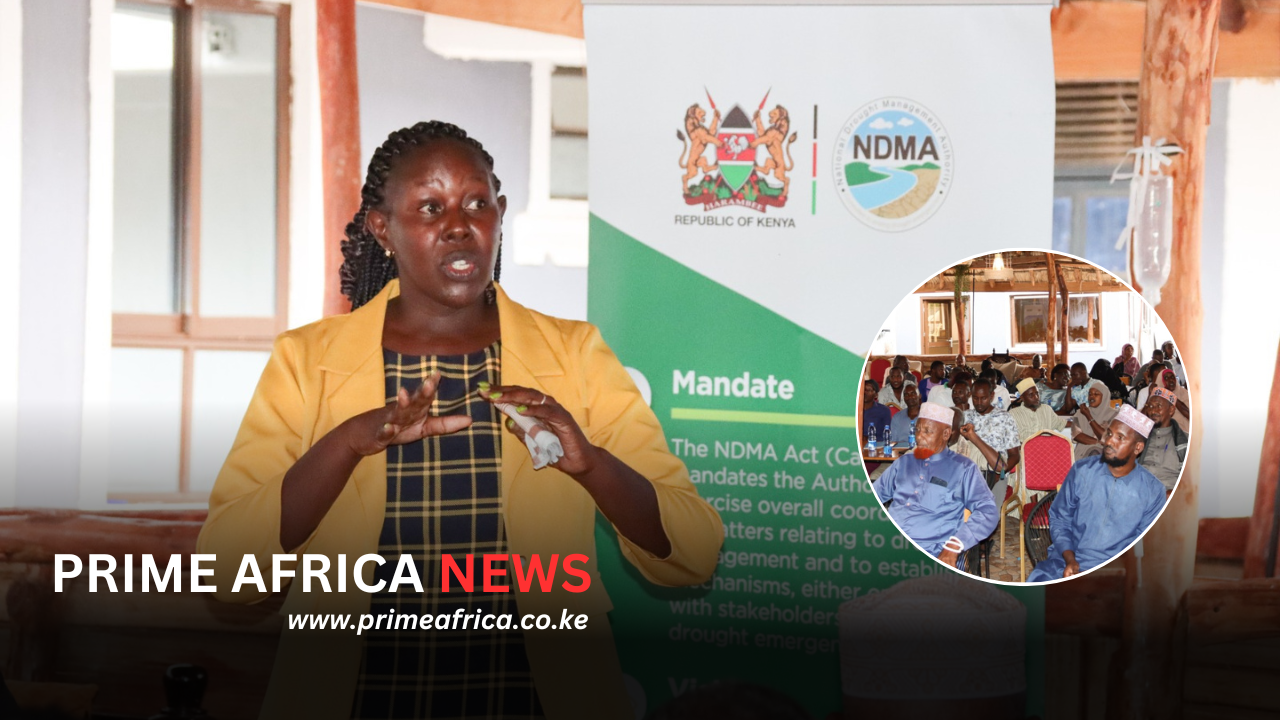

The National Drought Management Authority (NDMA) has convened a cross-county peace dialogue bringing together communities from Meru, Isiolo and Garissa counties in a bid to avert conflicts triggered by prolonged drought.
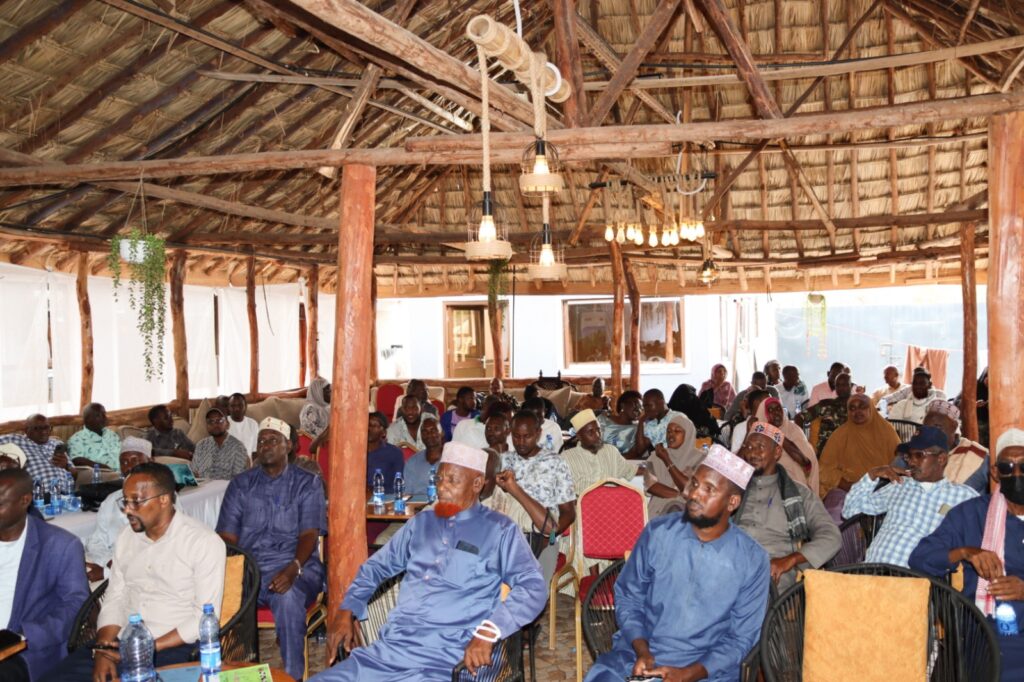
The forum, held on December 27 in Garbatulla, brought together community leaders, local administrators, elders, members of peace and grazing committees, as well as women and youth representatives. The meeting focused on strengthening cooperation and sustaining peace in drought-prone areas increasingly strained by scarce resources.
Participants identified competition over pasture and water as the leading cause of recurrent clashes, alongside unplanned livestock migration, boundary disputes and the rising availability of illegal small arms.
NDMA Chief Executive Officer Lt. Col (Rtd) Hared Adan emphasized the importance of dialogue and equitable sharing of limited resources as a foundation for peaceful coexistence, noting that drought continues to test relations among neighbouring communities.
“Drought is testing our unity as communities. Where pasture and water exist, they must be shared responsibly and peacefully, because lasting peace is anchored on cooperation, compassion and fairness,” Adan said.
He further called for inclusive peace structures, urging meaningful participation of women and youth in peace committees and decision-making processes. Adan also challenged communities to translate dialogue into action, including adherence to agreed resolutions and recovery of stolen livestock.
“Peace cannot stop at dialogue. Communities must demonstrate commitment through action to safeguard livelihoods and maintain stability across shared borders,” he added.
The peace dialogue forms part of ongoing drought response efforts by the national and county governments, which include food assistance, water trucking, livestock feed distribution and veterinary services. Isiolo and Garissa counties are currently classified under the Alert phase following worsening drought conditions.
Administrators at the meeting underscored the importance of planned and negotiated livestock migration during drought periods. Participants agreed that early communication through elders and peace committees is crucial in reducing misunderstandings and preventing conflict when communities cross county boundaries in search of pasture and water.
Kiengu Deputy County Commissioner Laura Kedode noted that sustainable peace in the region depends on continuous engagement and responsible management of shared resources.
“As drought reduces pasture and water, communities must work together to protect rangelands, restore catchments and adopt practical approaches that allow peaceful coexistence between pastoralists and farmers,” Kedode said.
Leaders from Meru and Garissa counties reiterated that prolonged drought and erratic rainfall remain the primary drivers of conflict, calling for strengthened collaboration and long-term resilience strategies to secure peace and livelihoods in the region.
About The Author
