
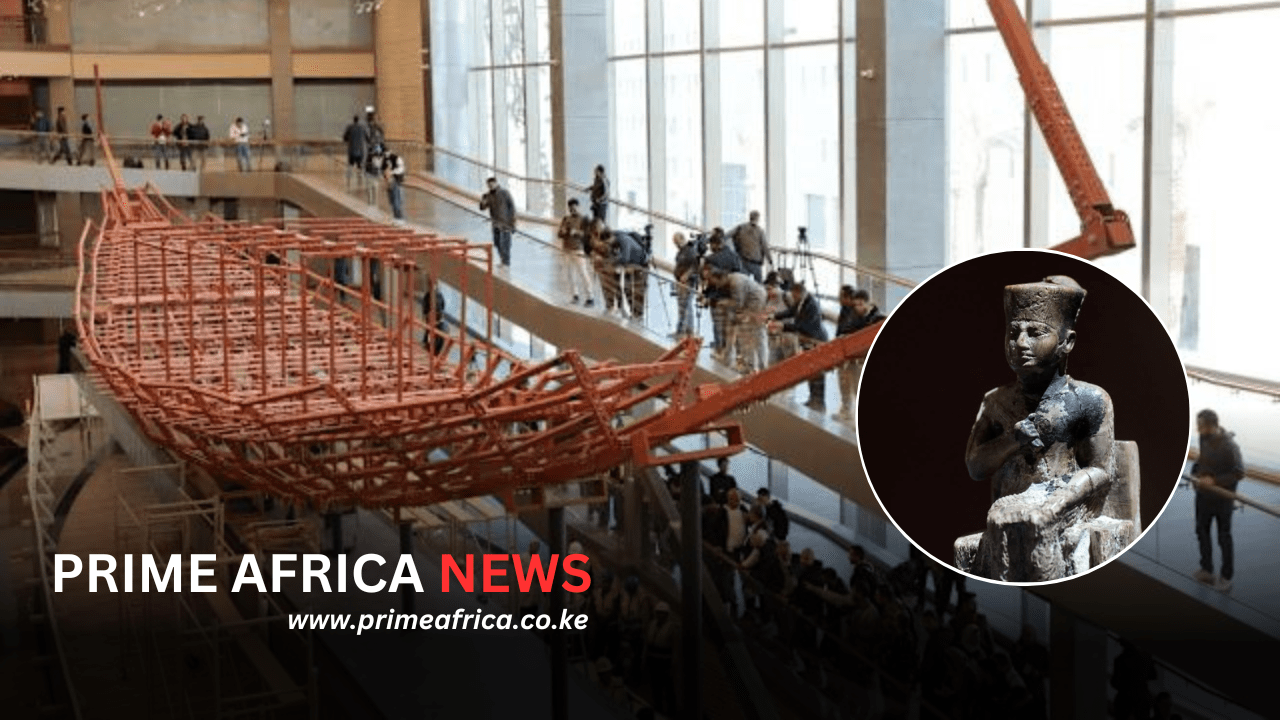

CAIRO — One of ancient Egypt’s most extraordinary archaeological treasures is being painstakingly reassembled in full public view at the Grand Egyptian Museum (GEM), offering visitors a rare glimpse into a historic restoration project.
[spacer height=”20px”]
Museum staff on Tuesday began piecing together a cedarwood boat belonging to King Khufu, the pharaoh who ruled Egypt more than 4,500 years ago and commissioned the Great Pyramid of Giza. The assembly is taking place inside the museum’s exhibition hall as dozens of visitors watch the process unfold.
[spacer height=”20px”]
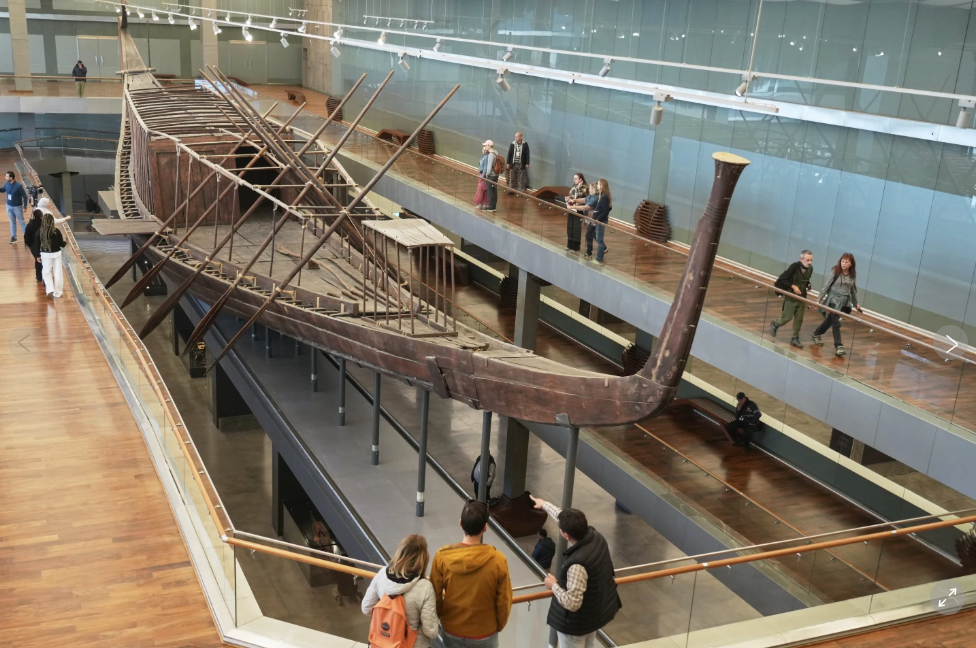
The 42-metre (137-foot) vessel is one of two boats discovered in 1954 buried in pits near the southern side of the Great Pyramid. Its already-restored twin has long been on display, while this second boat is now being reconstructed from 1,650 individual wooden pieces.
[spacer height=”20px”]
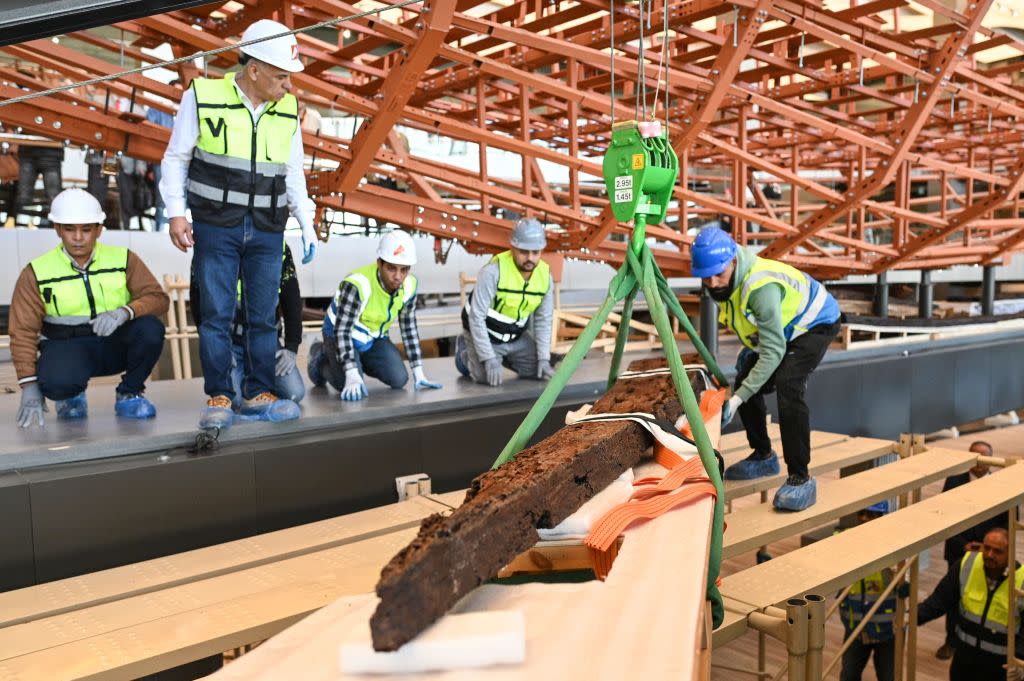
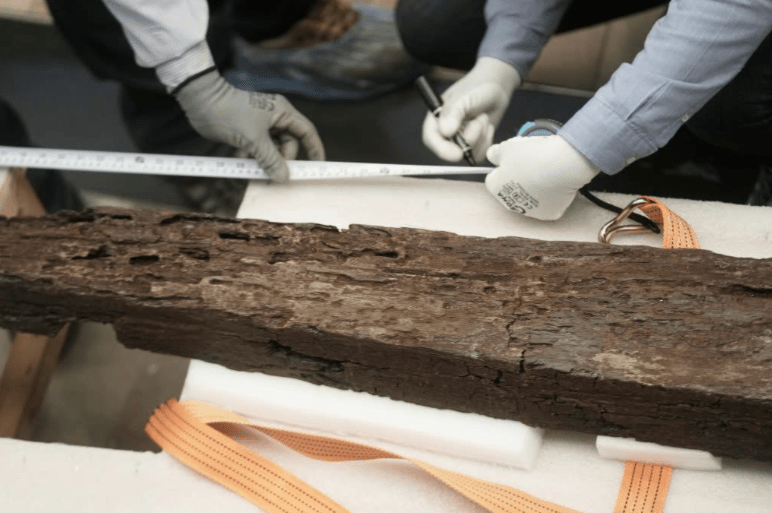
According to Issa Zeidan, head of restoration at the Grand Egyptian Museum, the delicate assembly is expected to take around four years.
[spacer height=”20px”]
“You’re witnessing today one of the most important restoration projects in the 21st century,” Egypt’s Minister of Tourism and Antiquities, Sherif Fathy, said during the launch of the project.
[spacer height=”20px”]
The boat’s wooden components were excavated beginning in 2014, following years of careful documentation and conservation planning, the museum said.
[spacer height=”20px”]
While the exact purpose of the vessels remains a subject of scholarly debate, experts believe they were either used to transport King Khufu’s body during his funeral or symbolised a “solar boat” intended to carry the pharaoh on his journey through the afterlife alongside the sun god Ra.
[spacer height=”20px”]
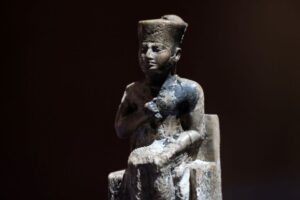
The restoration is taking place inside the Grand Egyptian Museum, a $1 billion cultural landmark that was lavishly inaugurated last month and has been billed as the world’s largest archaeological museum. Located near the Giza pyramids on the outskirts of Cairo, GEM houses nearly 50,000 artefacts, including the complete collection of treasures from the tomb of King Tutankhamun, discovered in 1922.
Egyptian authorities hope the museum — and high-profile projects such as the public restoration of Khufu’s boat — will significantly boost tourism revenues and provide a much-needed lift to the country’s struggling economy.
[spacer height=”20px”]
For visitors, the unfolding reconstruction offers a rare chance to watch history being brought back to life, piece by ancient piece.
[spacer height=”20px”]
About The Author

