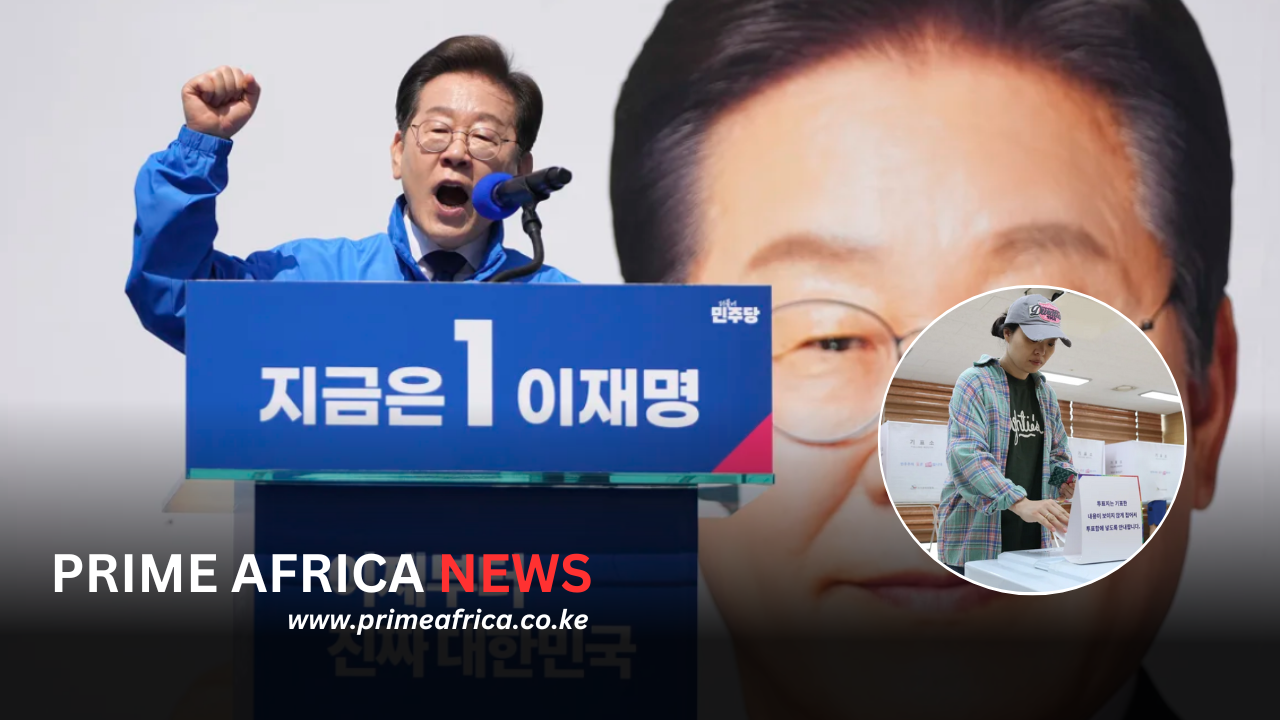

SEOUL, South Korea – After months of political turmoil, division and economic uncertainty, South Koreans headed to the polls on Tuesday to elect a new president. The vote follows the dramatic downfall of former president Yoon Suk Yeol, who was impeached after declaring martial law in December, triggering one of the country’s most severe political crises in decades.
Yoon’s actions plunged South Korea, a vital U.S. ally and a leading economic and cultural power in Asia, into a period of instability marked by a rotating cast of interim leaders and widespread public outrage. As the country navigated impeachment proceedings and multiple investigations into Yoon’s power grab, its economy faltered and political trust deteriorated.
Tuesday’s election is widely seen as a pivotal moment. Voters must choose between two very different figures vying to restore order and confidence in the country’s democratic institutions.
The Main Contenders
Leading in the polls is Lee Jae-myung, 60, of the liberal Democratic Party. A former human rights lawyer who once worked in a factory as a child laborer, Lee has a long political resume, including serving as a city mayor, governor, and lawmaker. He narrowly lost the presidency to Yoon in 2022.
Lee has endured a turbulent year: in January, he survived a stabbing at a public event. Then in December, during Yoon’s martial law declaration, Lee live-streamed himself climbing a fence to enter parliament and help lawmakers revoke the order—an act that went viral and cemented his image as a defender of democracy.
On the campaign trail, Lee has pledged sweeping reforms: amending the constitution to allow two presidential terms instead of one, limiting presidential emergency powers, promoting AI and small business growth, and easing tensions with North Korea.
However, he faces multiple legal challenges. He is currently on trial for alleged bribery and a real estate scandal, and has been convicted of violating election laws—though that case is under appeal. Lee insists the charges are politically motivated and baseless.
His main opponent is Kim Moon-soo, 73, of the conservative People Power Party (PPP). Once a radical student activist imprisoned for his protests, Kim eventually shifted to the political right and served as labor minister. He entered the race after internal party infighting and legal wrangling sidelined other candidates.
Though trailing in polls, Kim has vowed to unify the fractured PPP and restore public trust by reforming the judiciary and election systems. His economic proposals include tax cuts, deregulation, and investment in nuclear energy and advanced technologies.
A handful of third-party and independent candidates are also on the ballot, including Lee Jun-seok, a former PPP leader who broke away to form the New Reform Party last year.
The Stakes
Economic anxiety is a major concern for voters. South Korea’s economy contracted in the first quarter of the year, with youth unemployment rising and consumer spending falling. The country, heavily reliant on exports, has been hit hard by U.S. tariffs imposed during President Donald Trump’s ongoing trade war.
Exports to the U.S. dropped sharply in April, and major South Korean companies—including the country’s largest airline—have issued dire warnings about the financial impact. Trade talks between the U.S. and South Korea have stalled amid the political chaos, with progress likely to resume only after a new president is in place.
Other pressing issues include South Korea’s aging population and plummeting birth rate, which have created a demographic crisis shared by neighbors like Japan and China. Young voters cite high childcare costs, workplace inequality, and poor housing options as major obstacles to starting families.
Tensions with North Korea remain a constant threat. Pyongyang continues to expand its missile and weapons capabilities, with experts warning that a return to nuclear testing is possible. At the same time, South Korea’s balancing act between China—a key trade partner—and its security alliance with the U.S. has become increasingly delicate amid rising regional competition.
Nearly 30,000 U.S. troops remain stationed in South Korea, a reminder of the strategic importance of this election not just for the peninsula, but for global stability in the Asia-Pacific.
What’s Next
Polls opened Tuesday morning and the nation expects to know its next president by late Tuesday night or Wednesday. Whichever candidate wins, they will face an uphill battle: rebuilding trust, reviving the economy, and reaffirming South Korea’s role as a stable democratic force in a region facing growing uncertainty.
About The Author