
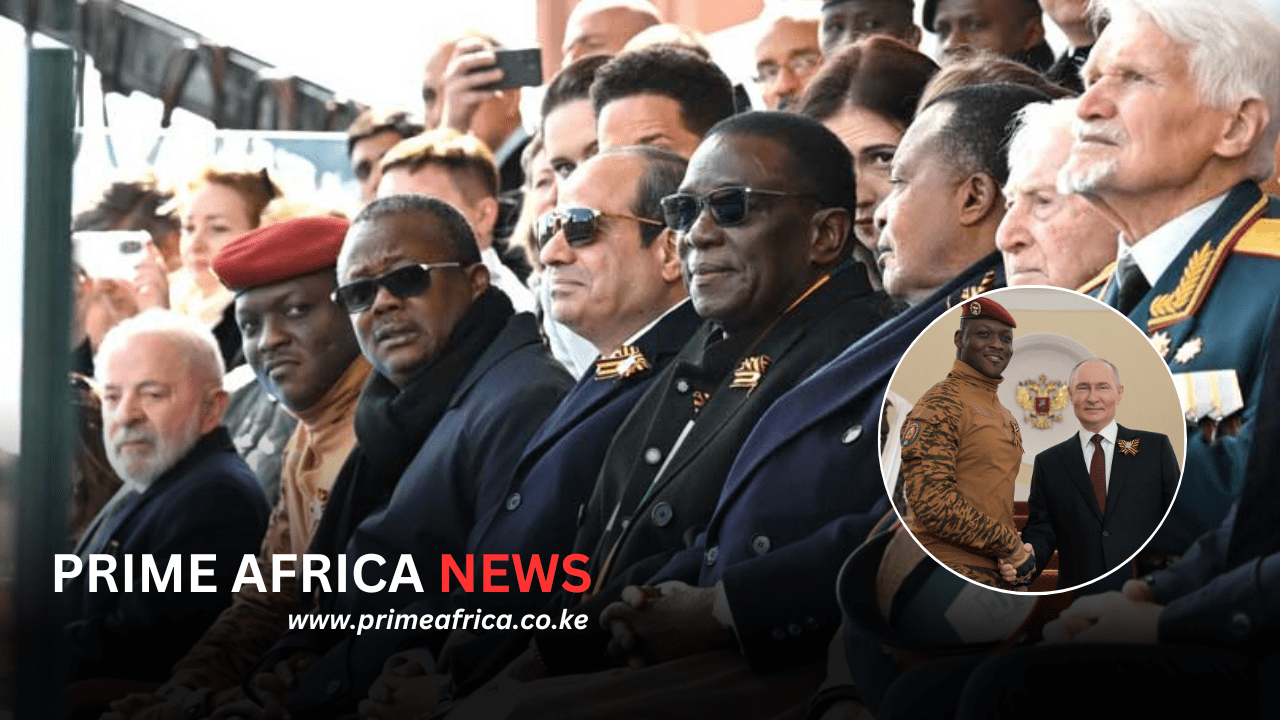

As Russia commemorated the 80th Anniversary of its Victory in the Great Patriotic War on May 9, a notable presence among world dignitaries were leaders from several African nations, signaling a growing political and strategic alignment between Moscow and the continent.
Victory Day in Russia, celebrated annually, honors the immense sacrifices made by the Soviet Union during World War II, particularly on the Eastern Front. With an estimated 25 to 27 million Soviet soldiers and civilians lost, the day is traditionally steeped in solemn military tribute. However, this year’s commemoration extended far beyond historical remembrance—it became a potent symbol of a changing global order.
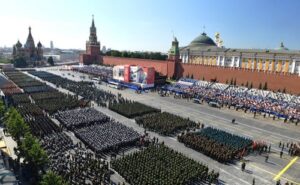
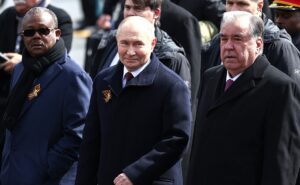
Presidents and heads of state from Burkina Faso, Congo, Egypt, Equatorial Guinea, Ethiopia, Guinea-Bissau, and Zimbabwe stood alongside Russian President Vladimir Putin at Moscow’s iconic Red Square, participating in the nation’s most prestigious military parade. Their attendance underscored both respect for historical legacy and the broadening geopolitical cooperation between Russia and Africa.
While Victory Day itself does not commemorate African contributions to World War II—many African soldiers fought in colonial European armies—the participation of African leaders this year signals an evolving context. Their presence marked a symbolic gesture toward Russia’s historical support of African anti-colonial movements and reaffirmed ongoing collaboration in areas of defense, energy, and development.
A New Geopolitical Trajectory
The leaders of Burkina Faso, Mali, and Niger, members of the Alliance of Sahelian States (AES), are increasingly turning to Russia as they redefine their sovereignty and resist Western influence, particularly from former colonial powers. With France’s military and corporate footprint shrinking, these nations are nationalizing their resources and reshaping state governance.
In a significant shift, Burkina Faso signed a Memorandum of Understanding on nuclear energy with Russia’s State Atomic Energy Corporation (Rosatom) during the 2023 Russia-Africa Summit in St. Petersburg. Mali and Niger have secured military-technical cooperation deals with Moscow, bartering natural resources for defense systems and infrastructure development. These agreements are part of a broader strategy to enhance security against terrorism and boost local economies.
Russia has also dispatched military personnel to support stabilization efforts, underscoring its commitment to helping these nations reclaim control over their development paths.
BRICS and the Multipolar World
Beyond military cooperation, Russia’s ties with African heavyweights Egypt and Ethiopia are advancing on the global stage. As new members of BRICS, these countries are engaging in deeper multilateral collaboration aimed at challenging Western-dominated economic systems and pushing for a multipolar world order.
Their participation in the Victory Day celebrations symbolized solidarity with Russia’s broader geopolitical vision. The partnership with Moscow is increasingly being viewed not just as an alliance of convenience, but as a foundation for long-term economic and strategic transformation.
Guinea-Bissau’s Strong Bilateral Ties
Guinea-Bissau stands out as a consistent ally, with President Umaro Sissoco Embaló visiting Russia four times, most recently in February 2025. Having participated in both the 2019 and 2023 Russia-Africa Summits, Embaló’s engagements reflect the deepening cooperation between the two nations, grounded in mutual respect and shared development goals.
A Shared Vision for Africa’s Future
Russia’s outreach to African countries is underpinned by its stated mission to support the reconstruction of African economies and strengthen state institutions to prevent future conflicts. Moscow has repeatedly emphasized its readiness to assist in creating a cohesive pan-African identity, with the ultimate goal of accelerating the establishment of a multipolar world.
In granting these African leaders an “authoritative opportunity” to participate in commemorating the 80th Anniversary of the Victory and the Defenders of the Fatherland, Russia reaffirmed its view of African nations as equal partners in shaping the emerging world order.
For Africa, the significance of participating in Russia’s Victory Day lies not in the historical narrative alone but in the strategic dialogue it facilitates. The presence of high-ranking African leaders in Moscow was not just ceremonial—it was emblematic of Africa’s recalibrated foreign policy, one that seeks new partnerships, diversifies alliances, and affirms the continent’s growing agency on the global stage.
About The Author

