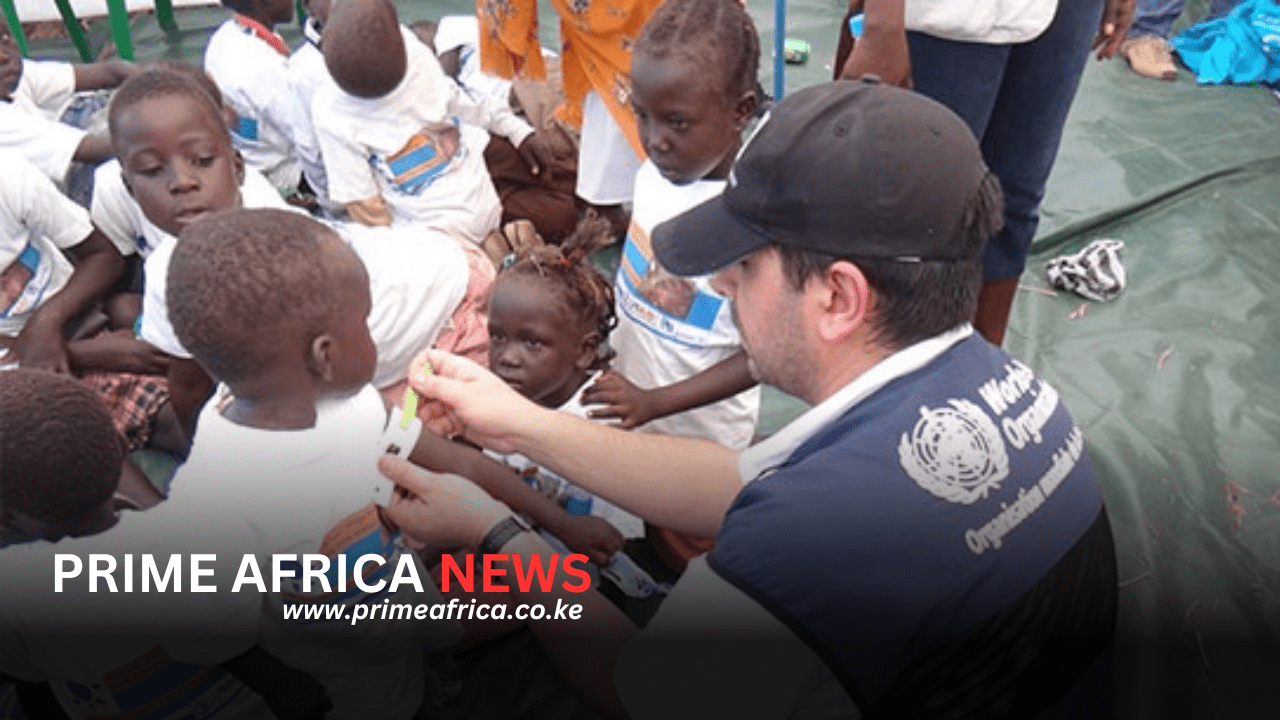

Juba, South Sudan — A new report by the World Health Organization (WHO) has sounded the alarm over a growing public health crisis in South Sudan, revealing that nearly one million people are currently living with Hypertension. Health experts warn that the condition—often referred to as a “silent killer”—could claim up to 3,000 lives annually if urgent action is not taken.
The report highlights a sharp rise in non-communicable diseases (NCDs) across the country, with hypertension emerging as one of the leading causes of preventable deaths. Due to its lack of visible symptoms, many people remain unaware they are affected until severe complications develop.
According to WHO, hypertension significantly increases the risk of life-threatening conditions such as heart disease, stroke, and kidney failure—placing additional strain on a healthcare system already weakened by years of conflict, displacement, and limited resources.
“Hypertension is no longer a disease of affluent societies. It is affecting communities across South Sudan, including rural and underserved populations,” the report states.
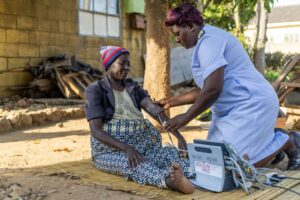
Health officials estimate that a large proportion of those living with hypertension remain undiagnosed or untreated. Limited access to screening services, shortages of essential medicines, and low public awareness continue to hinder effective control of the disease.
In many regions, health facilities lack basic diagnostic tools such as blood pressure monitors. Even when diagnosis is possible, patients often struggle to access or afford long-term treatment—leading to severe complications that require advanced care, which is often unavailable.
The WHO report points to several contributing factors behind the rise in hypertension, including:
- Unhealthy diets and high salt intake
- Tobacco use and harmful alcohol consumption
- Physical inactivity
- Stress linked to economic hardship and displacement
Urbanization is also accelerating the trend, as changing lifestyles lead to increased consumption of processed foods and reduced physical activity, particularly among younger populations.
Experts warn that the crisis could have far-reaching consequences beyond public health. The potential loss of up to 3,000 lives annually—many in their most productive years—could significantly affect households, workforce productivity, and national development.
“Hypertension is affecting people in their most productive years,” the report notes, warning of rising healthcare costs and reduced economic output.
The WHO is urging the government of South Sudan and its partners to prioritize hypertension prevention and control as part of a broader strategy to combat NCDs. Key recommendations include:
- Strengthening primary healthcare systems
- Expanding access to affordable medications
- Integrating hypertension screening into routine health services
- Scaling up community awareness campaigns
Health officials emphasize the importance of preventive care, encouraging regular health check-ups—even in the absence of symptoms.
Some initiatives are already underway with support from international partners, including:
- Training healthcare workers
- Supplying essential medical equipment
- Conducting community screening programs
However, experts stress that these efforts must be significantly scaled up, with sustained funding and long-term commitment to match the magnitude of the crisis.
For individuals, health experts recommend simple but effective lifestyle changes:
- Reduce salt intake
- Eat a balanced diet rich in fruits and vegetables
- Engage in regular physical activity
- Avoid tobacco use
- Limit alcohol consumption
- Manage stress
“Prevention is the most effective way to tackle hypertension,” the report emphasizes. “Small changes in daily habits can make a big difference.”
As South Sudan continues its recovery from years of instability, the growing burden of non-communicable diseases presents a new and complex challenge.
The WHO concludes with a stark warning: addressing hypertension is not just a health priority—it is a national imperative.
Without decisive action, thousands of lives could be lost each year to a condition that is largely preventable and manageable. However, with coordinated efforts and increased investment in healthcare, experts believe the trend can be reversed—protecting millions and securing the country’s future.
About The Author