
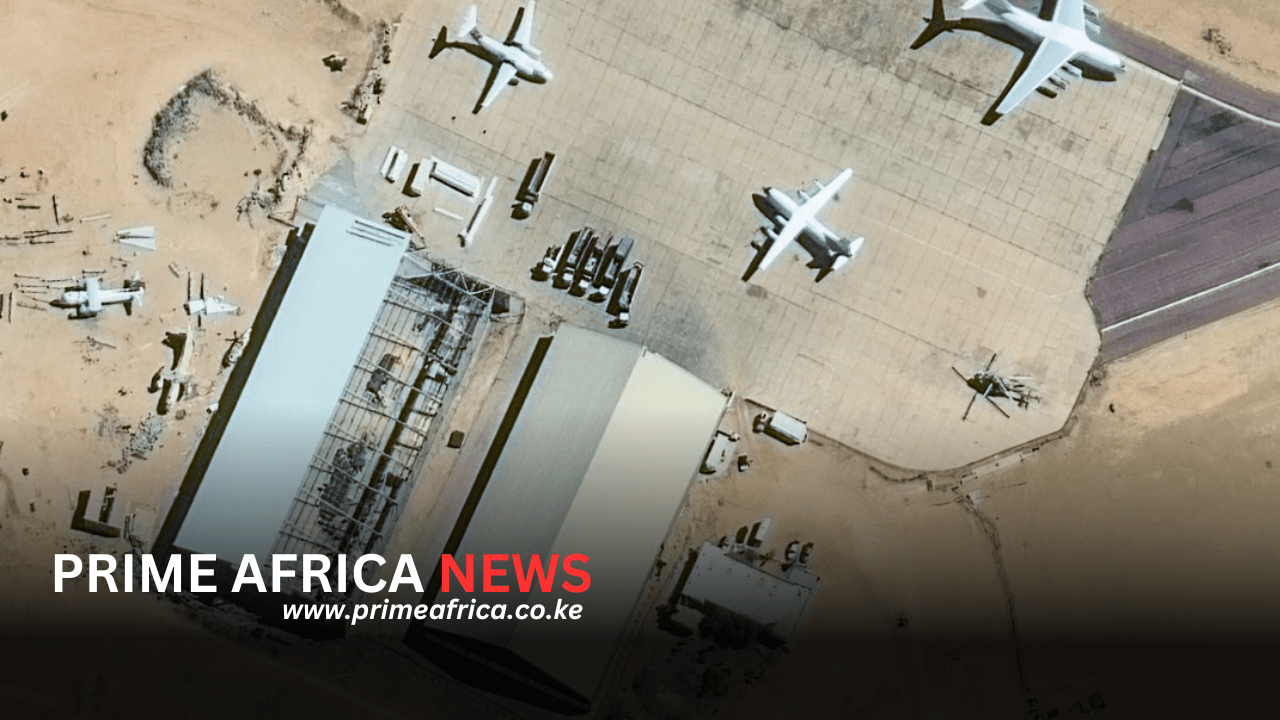

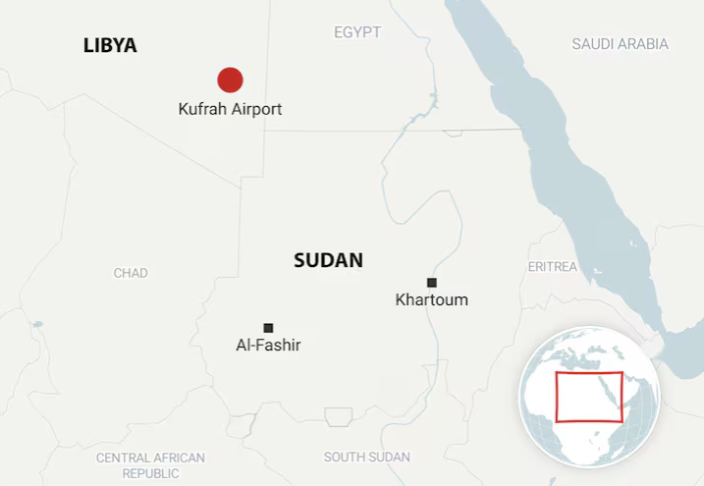
A remote airstrip in southeastern Libya has emerged as a critical logistics hub reshaping the course of Sudan’s civil war, providing a vital supply lifeline to the Rapid Support Forces (RSF) paramilitary group, according to more than a dozen military, intelligence and diplomatic officials.
The RSF — a force that evolved from the notorious Janjaweed militias deployed two decades ago by Sudan’s former government in Darfur — has been locked in a brutal power struggle with the Sudanese Armed Forces (SAF) since April 2023. The conflict erupted after the two sides fell out over plans to integrate their forces following Sudan’s fragile political transition.
A War with Devastating Consequences
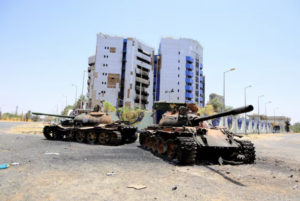
Since the fighting began, tens of thousands of people have been killed, millions displaced, and famine has spread across large swathes of Sudan, particularly in Darfur and the south. The war has become one of the world’s worst humanitarian crises, drawing growing international concern but limited effective intervention.
Military supplies allegedly routed through the Kufrah airstrip — located about 300 kilometres from Sudan’s border — helped the RSF regain momentum after Sudanese army forces retook the capital, Khartoum, in March, officials said. The renewed flow of arms and personnel is believed to have played a central role in the RSF’s capture of the strategic Darfur city of al-Fashir in October, followed by a series of battlefield gains in southern Sudan.
“Changed the Whole Game”
A United Nations official familiar with RSF operations, speaking on condition of anonymity, said the use of Kufrah had “changed the whole game” by enabling sustained supplies and fighter movements that bolstered the RSF’s prolonged siege of al-Fashir.
Justin Lynch, Managing Director of the Conflict Insights Group, said analysis of satellite imagery and flight tracking data indicated at least 105 cargo aircraft landings at Kufrah between April 1 and November 1. Reuters was unable to independently verify the figure.
“The pattern, location, and aircraft involved strongly correlate with allegations of UAE support to the RSF,” Lynch said. “Kufrah and southern Libya have become a significant logistics hub for the RSF.”
Allegations of Foreign Involvement
The Kufrah region is controlled by forces aligned with eastern Libya’s Libyan National Army (LNA), led by General Khalifa Haftar, who has long been backed by the United Arab Emirates (UAE). U.N. experts and the U.S. Congress have previously accused the UAE of supporting the RSF, claims Abu Dhabi has consistently denied.
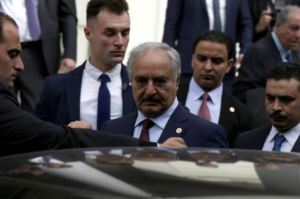
The UAE has economic interests in Sudan, including pre-war plans for multi-billion-dollar investments in a Red Sea port and large-scale agricultural projects. It also maintains close ties with RSF commander Mohamed Hamdan Dagalo, widely known as Hemedti, who previously sent thousands of RSF fighters to support UAE-led operations in Yemen.
Neither the UAE nor the RSF responded to requests for comment on the latest allegations.
Sudan’s army has repeatedly accused the RSF of smuggling weapons via Libya and, in September, filed a formal complaint to the United Nations alleging that Colombian mercenaries had travelled through Kufrah to support the paramilitary group.
A Revived Airport and Rising Air Traffic
Satellite imagery shows Kufrah airport — largely unused before 2024 — underwent extensive renovation earlier this year, including the construction of a new façade, fountains and landscaped grounds. Cargo flights increased sharply from April onward, coinciding with a growing RSF presence south of the Libyan-Sudanese border.
By summer, multiple large cargo aircraft were frequently visible on the tarmac. In the weeks leading up to al-Fashir’s fall, as many as five cargo planes were observed at once.
Flight tracking data links several of the aircraft to airlines previously cited in U.N. reports for involvement in arms trafficking from the UAE, including Sapsan Airlines and FlySky Airlines, both based in Kyrgyzstan. Some aircraft were traced flying from Dubai, Somalia’s Puntland region, and eastern Chad — all areas linked in previous reports to RSF supply routes.
Libya’s Role as a Regional Pivot
Libya’s prolonged instability has turned parts of the country into key transit zones for weapons, fighters and illicit trade. According to a December report by the Global Initiative Against Transnational Organized Crime, local LNA units in eastern and southern Libya have long-standing trafficking links with elements of the RSF.
After pressure complicated RSF supply routes through eastern Chad in 2024, analysts say the group shifted focus back to Libya. Satellite images from early 2025 show the formation of a large RSF-linked camp approximately 80 kilometres south of Kufrah, with vehicles and fighters traced to Darfur.
A Western diplomatic cable reviewed by Reuters described the “Libya corridor” as a “key focal point” of RSF supply operations after June, when the group regained control of crucial border areas.
Denials from Libyan Authorities
The LNA has repeatedly denied backing the RSF or taking sides in Sudan’s conflict. An LNA military official in Kufrah told Reuters the cargo flights transported civilians, soldiers and police between Libyan cities and insisted no RSF fighters were operating in the area.
However, experts say the scale and timing of the air traffic, combined with battlefield developments inside Sudan, raise serious questions about the role of regional actors in prolonging the conflict.
As Sudan’s war grinds on into its third year, the alleged use of Kufrah highlights how regional rivalries, foreign interests and porous borders continue to fuel instability — with devastating consequences for civilians caught in the middle.
About The Author

