


More than 1,300 young people in Buuri Constituency have graduated under the second cohort of the Ujuzi Mashinani Programme, marking a major step in efforts to tackle unemployment through practical skills training and enterprise development.
[spacer height=”20px”]
A total of 1,320 youth completed hands-on training delivered by the Micro and Small Enterprises Authority (MSEA) in partnership with Buuri Member of Parliament Mugambi Rindikiri. The programme was designed to equip participants with technical expertise and entrepreneurial skills aimed at promoting self-reliance and job creation.
[spacer height=”20px”]
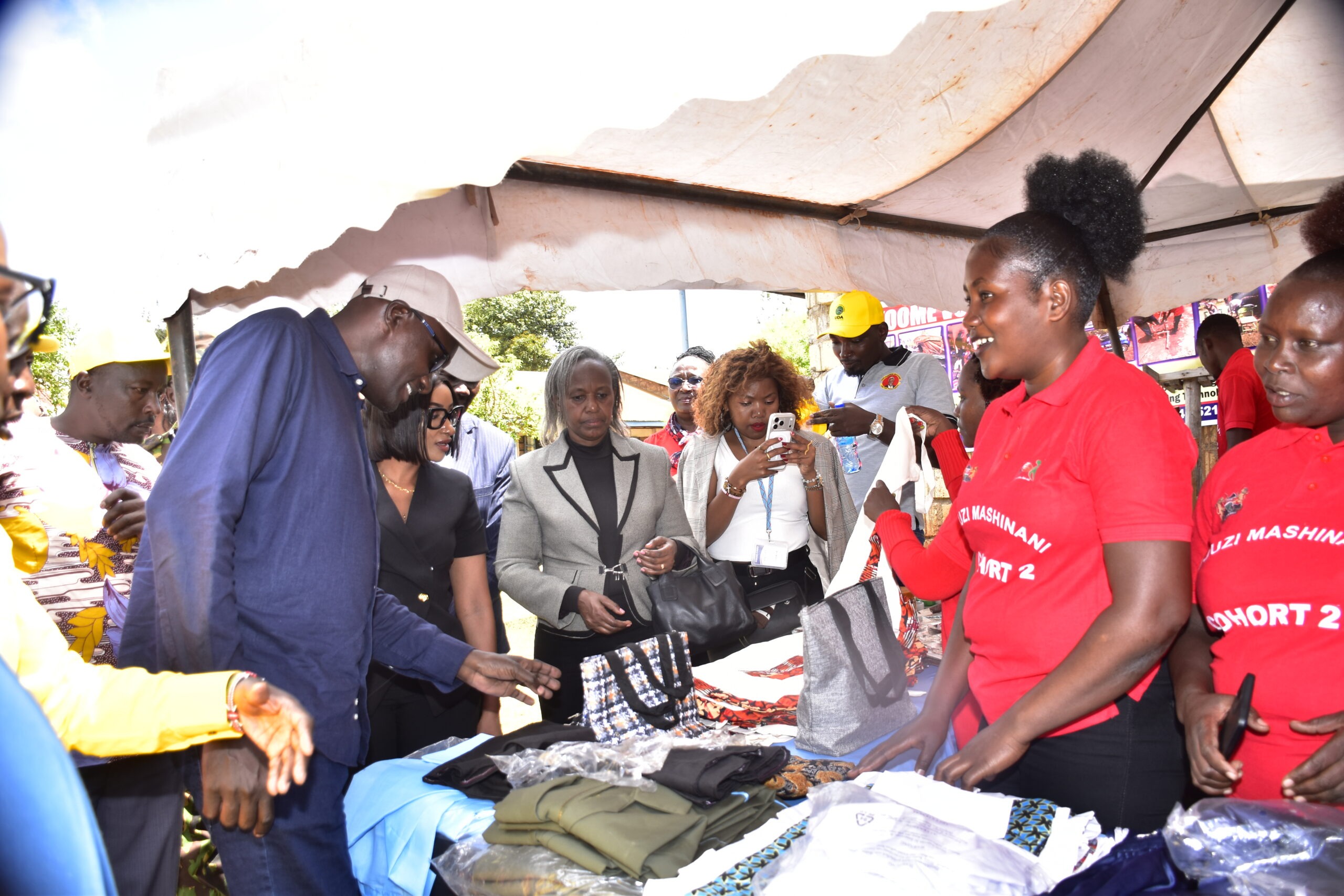
In a departure from conventional training initiatives, the programme also extended direct enterprise support to 40 youth groups, each receiving startup toolkits tailored to their chosen trades.
The equipment distributed included sewing machines, salon kits, welding machines, electrical tools, vehicle diagnostic devices, and mobile food vending units, enabling beneficiaries to transition immediately into income-generating ventures.
[spacer height=”20px”]
Speaking during the graduation ceremony, MSEA Director General Henry Rithaa underscored the need to combine training with practical support.
[spacer height=”20px”]
“Skills alone are not enough; we must ensure our youth have the tools and capital to translate knowledge into sustainable livelihoods,” he said.
[spacer height=”20px”]
Rithaa noted that while many young entrepreneurs in Meru County have previously benefited from startup capital support, persistent challenges such as limited market access and weak business sustainability continue to affect long-term success.
[spacer height=”20px”]

[spacer height=”20px”]
He emphasized that programmes like Ujuzi Mashinani must go beyond training by creating pathways for graduates to access markets, mentorship, and continued business development support.
[spacer height=”20px”]
Beneficiaries expressed optimism that the programme would provide a solid foundation for economic independence.
[spacer height=”20px”]
“This training and the equipment we have received will give us a real chance to earn a living and grow our businesses,” said one of the graduates.
[spacer height=”20px”]
The Ujuzi Mashinani Programme has been positioned as a grassroots intervention aimed at empowering youth through practical solutions rather than theoretical instruction alone.
[spacer height=”20px”]
As the second cohort enters the workforce and entrepreneurial space, attention now turns to how effectively the graduates will convert their acquired skills into viable businesses and sustainable livelihoods.
[spacer height=”20px”]
The long-term success of the initiative will ultimately be measured by its ability to create lasting economic opportunities and reduce unemployment among young people in the region.
[spacer height=”20px”]
About The Author
