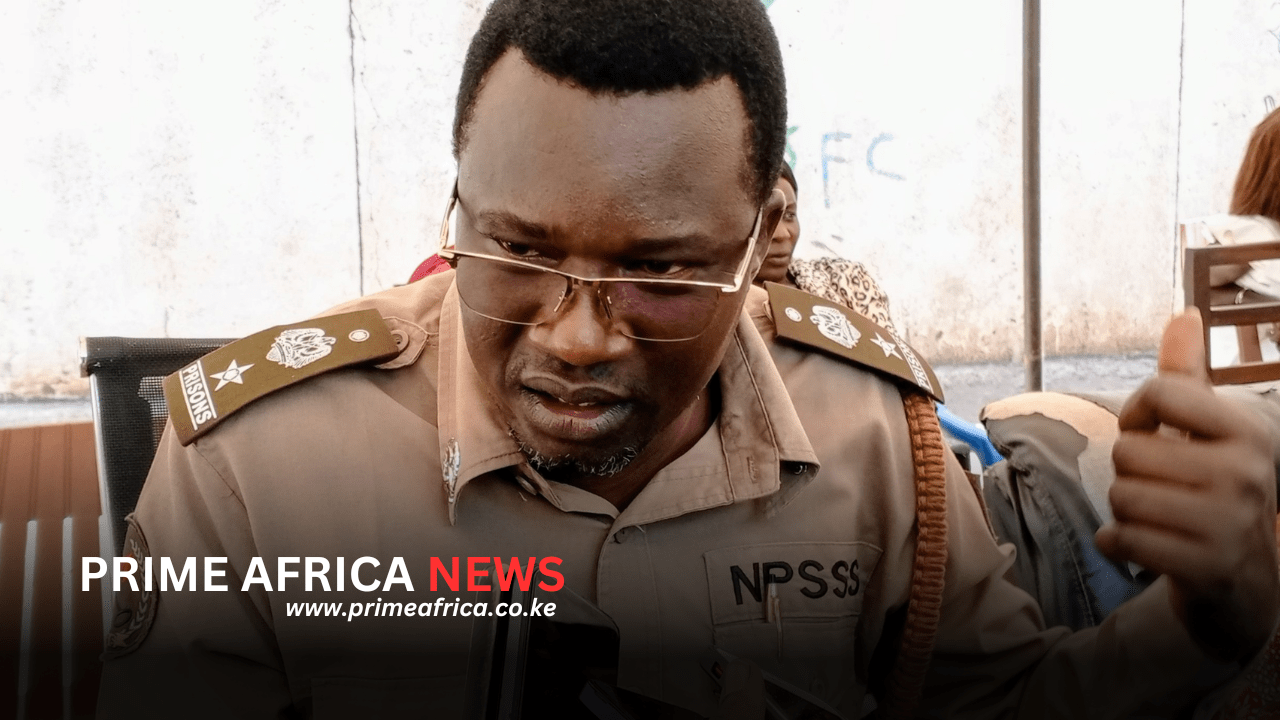

The head of South Sudan’s Juvenile Reformatory Centre at Juba Central Prison has raised alarm over worsening conditions for children in detention, revealing severe overcrowding, food shortages, malnutrition and prolonged delays in court proceedings that have left some juveniles waiting years for justice.
In an interview with Prime Africa News Correspondent at the facility in Juba during the celebration of African Child, Akol Michael the director of Juvenile Reformatory Centre said the centre, originally established in the 1970s and later rehabilitated in 2020 with support from the United Nations Development Programme (UNDP) and the International Committee of the Red Cross (ICRC), was designed to accommodate only 100 juveniles.
However, the facility is currently holding more than 314 children, more than three times its intended capacity.
“Our capacity is only 100, but now we are accommodating more than 314 juveniles, which is not allowed, we have serious issues of malnutrition and overcrowding because we are unable to meet all their basic needs.”
According to Akol, food shortages have become one of the most pressing concerns facing the institution. He attributed the situation to delays in government payments to food contractors, forcing the facility to reduce meals from two per day to just one in some cases.
“One meal cannot help these children. As you can see, many of them are struggling,” he said.
The director of Juvenile Reformatory Centre also highlighted lengthy delays in the justice system, saying the majority of children held at the facility are on remand awaiting trial.
He narrated that out of over 314 juveniles currently detained, 233 are awaiting court hearings, while 81 have already been convicted and are serving sentences.
“Some children remain on remand for three to four years without seeing justice or appearing before a court,” he said. “This is one of the biggest challenges we face.”
He highlighted some of the delays to logistical challenges within the judicial system, including a lack of transportation and fuel to transfer detainees to court.
Director Akol emphasized on UNDP’s support for mobile courts aimed at reducing case backlogs, stressing that more intervention is needed to protect children’s rights and ensure timely access to justice.
The official identified rape, murder and gang-related crimes as the most common offences involving juveniles, particularly in several neighbourhoods across Juba where security presence remains limited.
Despite the challenges, he said the institution continues to focus on rehabilitation through vocational training programmes, although overcrowding and short remaining sentences for some inmates limit the effectiveness of such initiatives.
He called on the government, development partners and humanitarian organizations to increase support for juvenile rehabilitation and welfare programmes.
“We appeal to partners to continue supporting these children,” he said. “At the moment, only UNDP remains actively supporting us. Without additional support, it will be very difficult to address the challenges facing these young people.”
The official warned that unless urgent action is taken to improve detention conditions, speed up trials and strengthen rehabilitation programmes, hundreds of vulnerable children could remain trapped in a cycle of neglect and delayed justice.
About The Author