
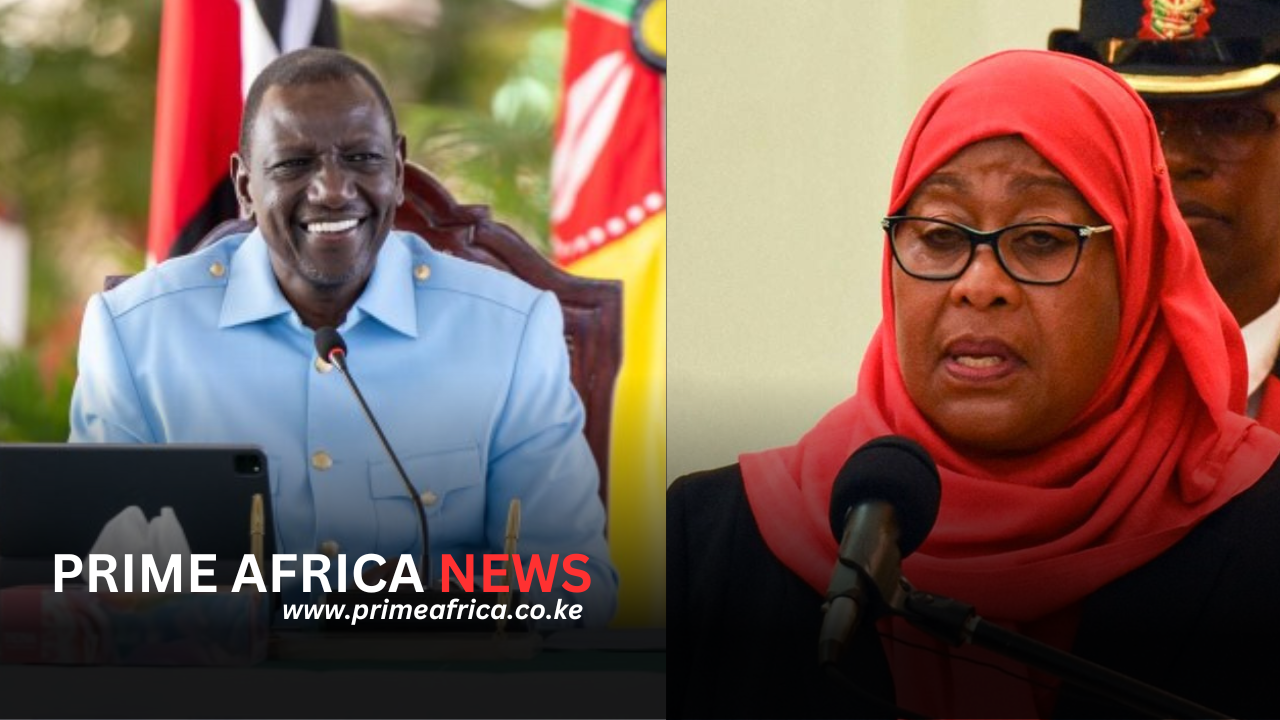

Nairobi, Kenya – Kenyan President William Ruto has extended a public apology to neighbouring Tanzania following a diplomatic spat triggered by the detention and deportation of prominent East African activists by Tanzanian authorities.
Speaking at a national prayer breakfast in Nairobi on Wednesday, President Ruto addressed rising tensions between the two countries and made an appeal for reconciliation.

“To our neighbours from Tanzania, if we have wronged you in any way, forgive us,” he said. “If there is anything that Kenyans have done that is not right, we want to apologise.”
The president’s statement comes after days of mounting pressure and online confrontations between Kenyan and Tanzanian citizens, as well as formal protests from both Kenya and Uganda. The controversy began when Kenyan activist Boniface Mwangi and Ugandan journalist Agather Atuhaire were detained in Tanzania earlier this month. The two had travelled to Arusha to attend the trial of Tanzanian opposition leader Tundu Lissu.
Mwangi and Atuhaire later alleged they were held incommunicado, tortured, and subsequently dumped at the Tanzanian border by security forces—allegations that have drawn sharp criticism from regional human rights groups and international observers.
Tanzania is yet to comment on the torture allegations. However, President Samia Suluhu Hassan had previously warned that foreign activists would not be allowed to “meddle” in her country’s domestic affairs or incite “chaos”.
The diplomatic friction quickly spilled over onto social media, where young Kenyans—popularly known as Gen Zs—took to various platforms to voice their outrage. Their criticism of President Samia sparked backlash in Tanzania’s parliament on Monday, where lawmakers accused Kenyans of cyberbullying and disrespecting Tanzania’s sovereignty.
Iringa Town MP Jesca Msambatavangu told parliament she had received a flood of WhatsApp messages from Kenyans, forcing her to briefly switch off her phone. However, she welcomed the engagement.
“Kenyans are our neighbours, our brothers, and we cannot ignore each other,” she said. She invited the youth to “counter ideas with ideas” and even proposed the creation of a cross-border WhatsApp group to continue the dialogue. She plans to host a live engagement session with young Kenyans on Saturday.
During the same prayer breakfast, President Ruto also turned inward, addressing Kenya’s disillusioned youth who have remained critical of his administration since last year’s deadly anti-tax protests.
“To the young people of our nation, if I have failed you, I apologise,” Ruto said, responding to a call for reconciliation by visiting American preacher Rickey Allen Bolden.
Despite the gesture, some young Kenyans have dismissed the president’s apology, calling instead for his resignation and continued reforms.
The diplomatic row marks one of the most significant challenges to East African unity in recent months, underscoring the delicate balance between domestic policy, activism, and regional cooperation.
About The Author

