
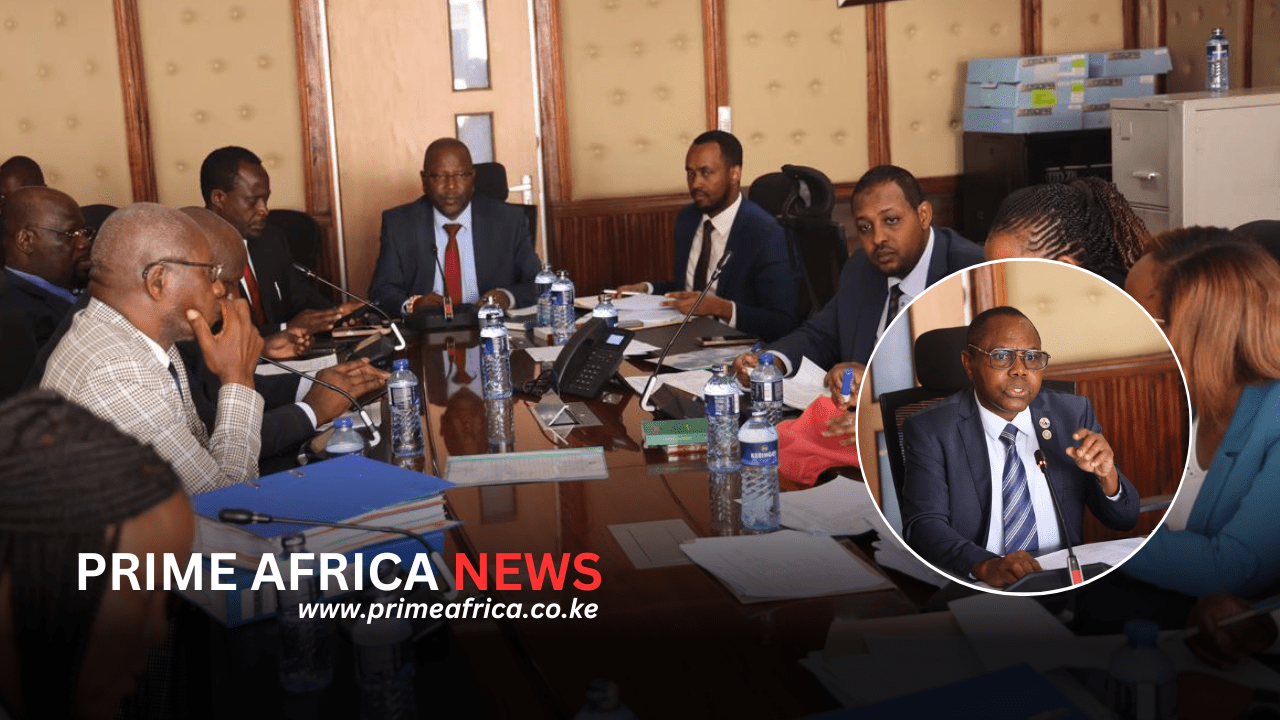

Nairobi, Kenya — A parliamentary watchdog has launched a fresh investigation into the handling of bursary funds in Kajiado North Constituency after lawmakers uncovered millions of shillings tied up in expired cheques that may never have reached needy students.
[spacer height=”20px”]
The inquiry by the National Assembly’s Decentralized Funds Accounts Committee (DFAC) follows revelations in the Auditor-General’s report on the 2016/2017 NG-CDF accounts, which showed a large batch of bursary cheques remained unpresented long enough to become stale — expiring after six months without being banked.
[spacer height=”20px”]
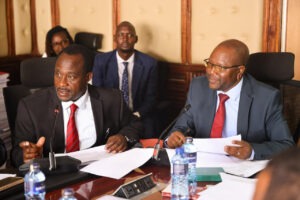
Lawmakers termed the findings alarming, warning that administrative failures may have forced vulnerable learners out of school despite government funding being available.
The audit query centered on unexplained bank balances and missing cash book extracts that should indicate whether funds tied to expired cheques were reversed back into constituency accounts.
Constituency fund officials told MPs the cheques were issued toward the end of the financial year and became stale after beneficiaries allegedly failed to collect or present them to schools.
[spacer height=”20px”]
But legislators rejected the explanation, arguing that bursary applicants are typically families in financial distress.
“This money is meant to rescue children in crisis. The story that parents simply failed to present bursary cheques does not add up,” said Stephen Mogaka, a member of the committee.
[spacer height=”20px”]
Students Sent Home as Funds Lay Idle
[spacer height=”20px”]
The committee heard that some intended beneficiaries later dropped out of school — a revelation that drew sharp criticism from MPs, who said the situation pointed to systemic failure in bursary delivery.
“Children don’t drop out; they are sent home for lack of fees. Government money existed, but it never reached them,” Mogaka told the session.
[spacer height=”20px”]
Lawmakers warned that bursary funds are meant as emergency interventions, and delays defeat the very purpose of the programme.
[spacer height=”20px”]
Political Manipulation Suspected
[spacer height=”20px”]
In a rare escalation, MPs questioned whether the cheques may have been deliberately withheld.
[spacer height=”20px”]
Mogaka asked fund officials how the committee could be assured that constituency offices were not holding onto cheques instead of releasing them to beneficiaries.
[spacer height=”20px”]
The scale of the expired payments — estimated at more than Sh2 million — intensified suspicion among committee members, who said the volume could not be dismissed as routine administrative lapses.
“This amount is too big to ignore,” one MP observed, calling for deeper scrutiny.
[spacer height=”20px”]
Parliament Orders Fresh Investigation
[spacer height=”20px”]
The committee, chaired by Gideon Mulyungi, directed officials to return with a detailed report identifying:
-
the original bursary beneficiaries,
-
whether replacement cheques were issued, and
-
who ultimately benefited from the funds after cancellation.
[spacer height=”20px”]
MPs insisted accountability must be established, particularly where education funding is concerned.
“This cannot go unresolved,” Mogaka said as he moved a formal proposal for the matter to be re-examined.
[spacer height=”20px”]
Wider Questions Over Bursary Management
[spacer height=”20px”]
The probe adds to growing parliamentary concern over how constituency bursaries are administered nationwide. Legislators warn that inefficiencies in disbursement risk undermining government efforts to keep children in school.
[spacer height=”20px”]
DFAC, which reviews Auditor-General reports on decentralized funds, is expected to revisit the Kajiado North accounts once additional documentation and past committee resolutions are submitted.
[spacer height=”20px”]
For now, a stark question remains: how many students lost their education while bursary funds sat idle on expired cheques?
[spacer height=”20px”]
About The Author

