
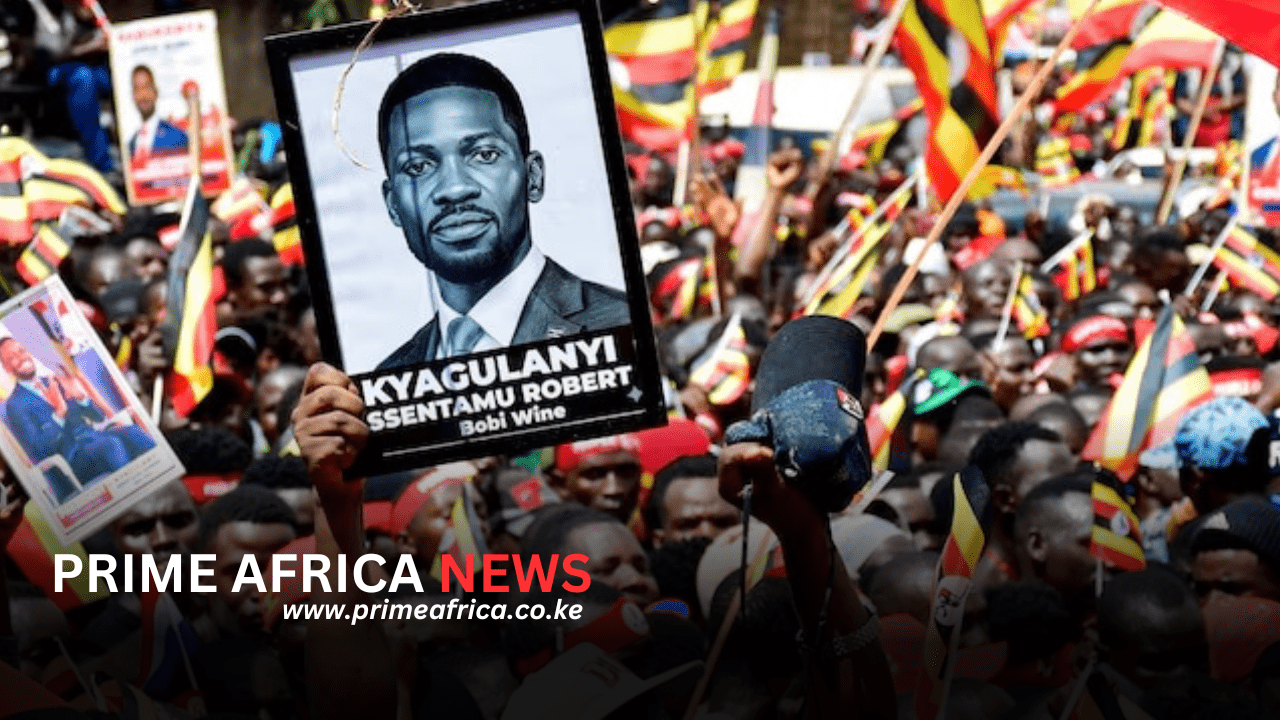

Kampala, Uganda — Uganda’s main opposition leader and presidential candidate Robert Kyagulanyi, popularly known as Bobi Wine, has pledged to review the country’s agreements with international oil companies should he win the upcoming presidential election, warning that any deals deemed unfavourable to Ugandans would be revised.
Speaking to Reuters in an interview held last week in Kampala, Wine said his administration would take a hard look at existing oil contracts as Uganda prepares to begin commercial crude oil production later this year.
“We shall study all agreements,” Wine said. “And any part in those agreements that does not favour Ugandans will definitely be revised.”
Uganda expects to start oil production from fields operated by France’s TotalEnergies, China’s CNOOC, and the Uganda National Oil Company. TotalEnergies and CNOOC currently operate under production-sharing agreements with the government.
Neither Uganda’s information minister nor representatives of TotalEnergies and CNOOC immediately responded to requests for comment.
Long-Delayed Oil Production
Uganda is estimated to hold 6.65 billion barrels of oil reserves, discovered nearly two decades ago. However, commercial production has faced repeated delays due to disputes between the government and international oil firms, as well as sustained opposition from environmental activists.
Wine, a former pop star turned politician, is challenging long-serving President Yoweri Museveni for the second consecutive election. In the 2021 polls, Wine secured about 35 percent of the vote, coming second to Museveni, who has ruled Uganda for 40 years and is now 81 years old.
Criticism of Western Allies
Beyond oil policy, Wine sharply criticised Uganda’s Western partners, accusing them of hypocrisy for continuing to support Museveni’s government despite alleged human rights abuses.
In the interview, Wine claimed he had been beaten twice by security forces during the current campaign and blocked from holding rallies in certain regions. He also said hundreds of his supporters had been detained — claims that have been echoed by the United Nations.
The Ugandan government has denied wrongdoing, insisting that all arrests are based on legitimate criminal violations. Authorities also reject accusations of systemic repression, despite repeated concerns raised by human rights organisations.
“These Western countries have laws … that they can invoke to slap sanctions on those that violate human rights,” Wine said.
“Unfortunately, they have not. So that comes off as if diplomacy is more important than democracy — as if business is more important than human rights.”
As Uganda stands on the brink of becoming an oil-producing nation, the election outcome could significantly shape the country’s energy policy, foreign investment climate, and human rights trajectory.
About The Author
