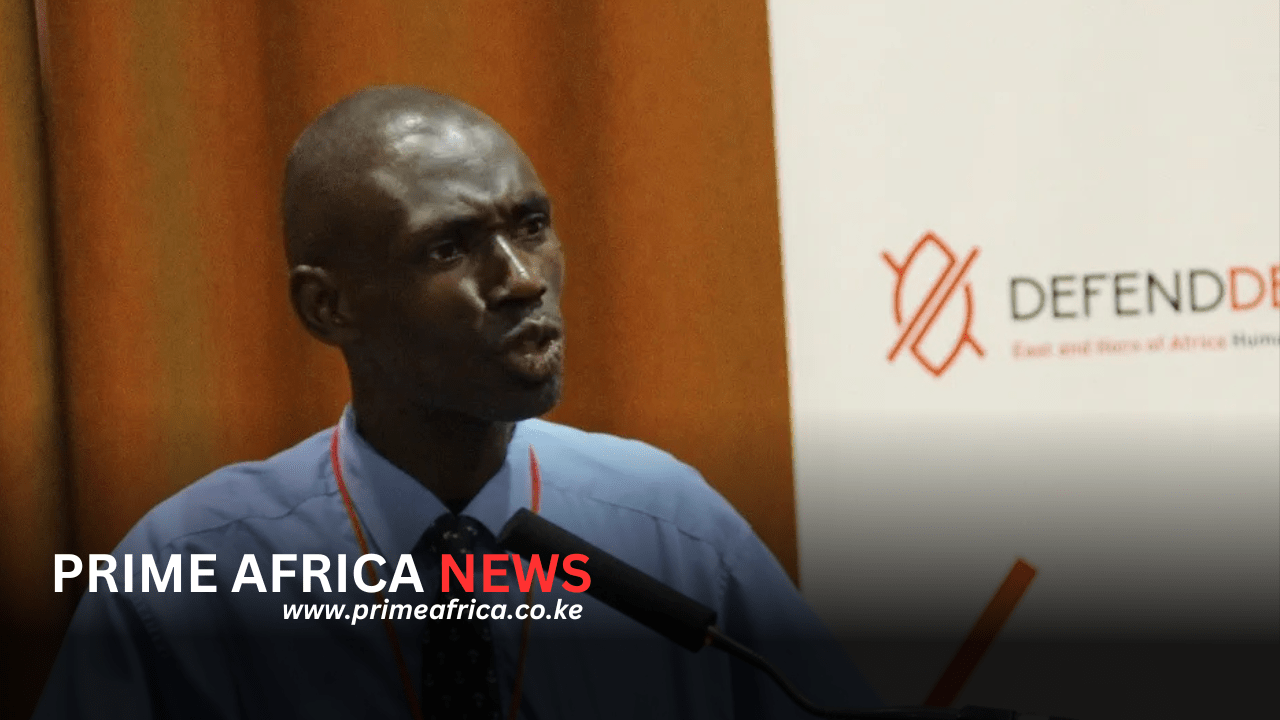

South Sudanese civil society activist Edmund Yakani has called on the country’s leadership to urgently investigate alleged disparities in government payments, warning that failure to act could erode public trust and destabilize key state institutions.
Yakani, the Executive Director of the Community Empowerment for Progress Organization (CEPO), said his appeal follows growing complaints and evidence indicating that senior government officials and political office holders continue to receive regular allowances, while civil servants and members of the armed forces face prolonged salary delays.
Speaking on the matter, Yakani emphasized that the issue goes beyond delayed wages, framing it as a question of justice, accountability, and responsible governance.
“This concern is not only about salaries—it is about justice, equality, and responsible governance. Civil servants and soldiers play a critical role in sustaining public services and national security, and denying them timely pay while others receive regular allowances is unacceptable,” he said.
Yakani noted that a credible and transparent investigation initiated by the President could expose possible financial mismanagement, enforce accountability, and trigger necessary reforms within the government’s payment systems.
He added that such action would help restore confidence in public institutions, boost morale among civil servants, and strengthen the integrity of government operations.
However, he warned that continued inaction could have far-reaching consequences, including rising frustration among civil servants and security personnel, which could ultimately impact service delivery and national stability.
“There is a real danger that this pattern could erode trust in government institutions and create frustration among workers who feel neglected and unfairly treated,” Yakani cautioned.
The activist further described the situation as a growing “parallel payment culture,” where access to public funds appears increasingly influenced by political status rather than institutional responsibility. He warned that if left unaddressed, the trend could deepen corruption and weaken financial discipline within government structures.
Yakani also urged the national parliament to step in and exercise its oversight role by launching an independent inquiry into the allegations. He referenced reports implicating a former Minister of Finance and Planning in authorizing allowance payments within a ministry while civil servants in the same institution remained unpaid.
“The investigation must be independent, transparent, and aimed at delivering justice—not silencing concerns raised by civil society,” he stressed.
He further pointed to acknowledgments by some government officials that funds may be available but are being mismanaged or diverted, reinforcing the urgency of corrective action.
Yakani concluded with a firm call for immediate reform, urging authorities to prioritize fairness in the management of public resources.
“This practice must stop now—not tomorrow. Addressing it will not only protect public resources but also safeguard the dignity and welfare of thousands of South Sudanese families who depend on government salaries,” he said.
About The Author